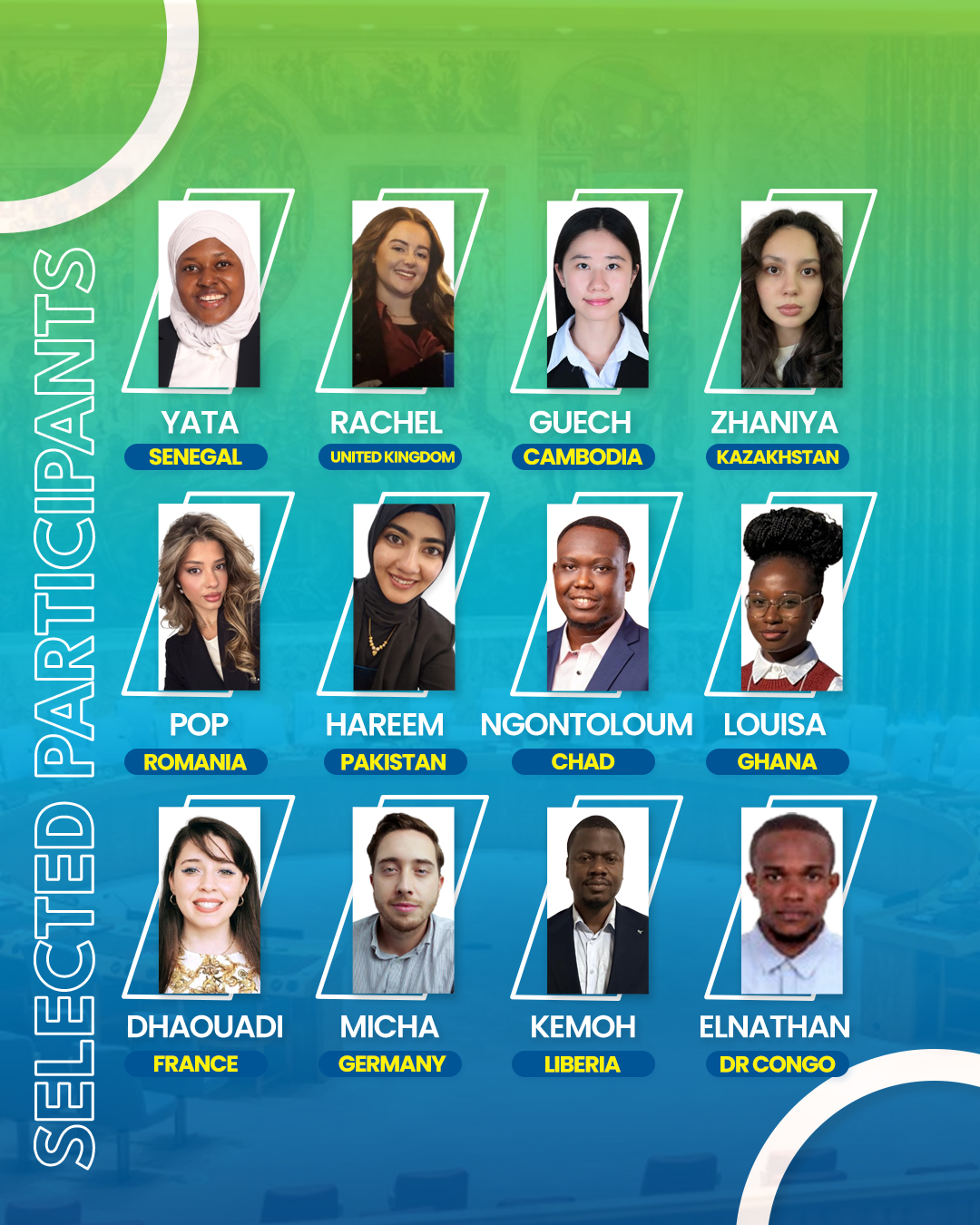
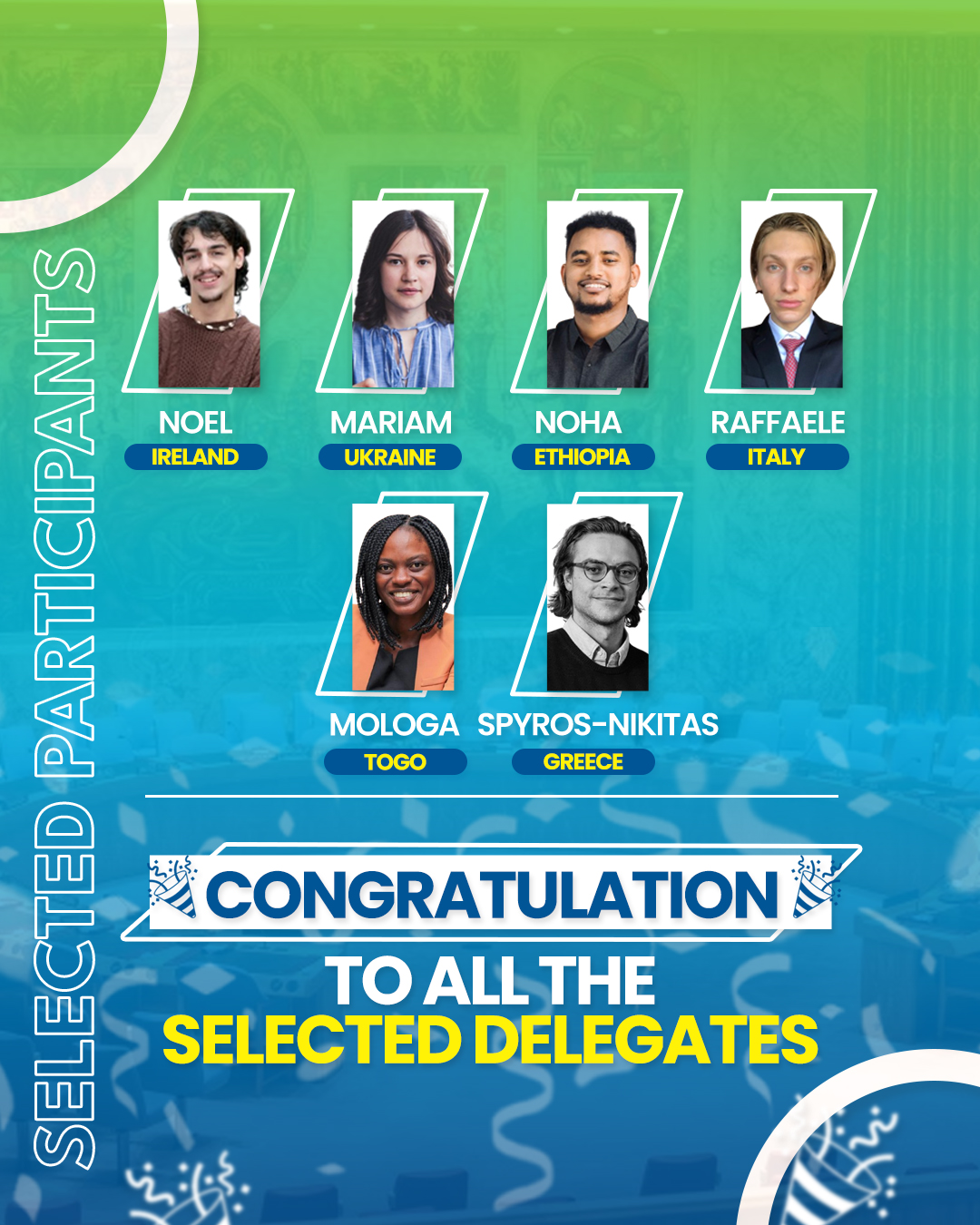
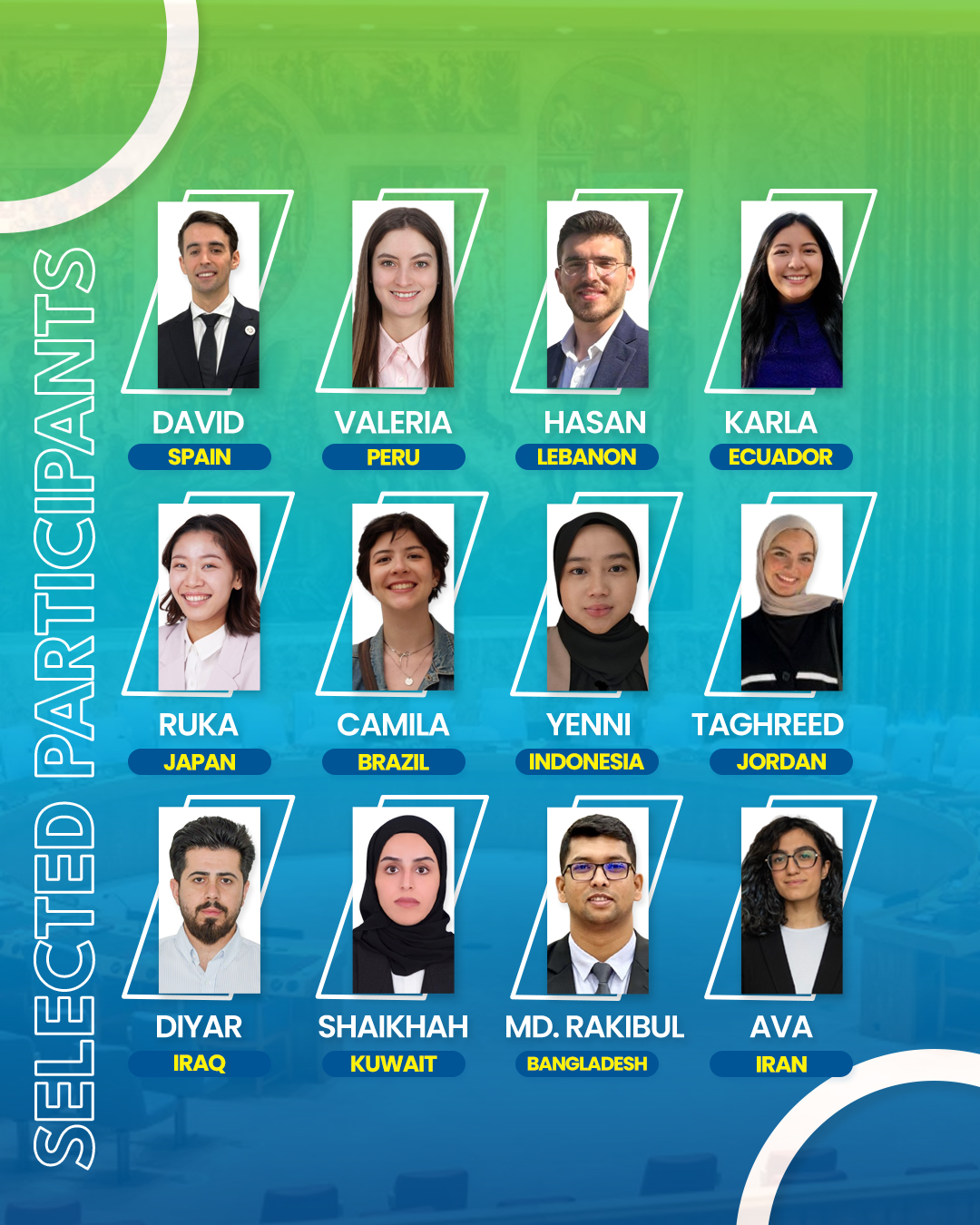
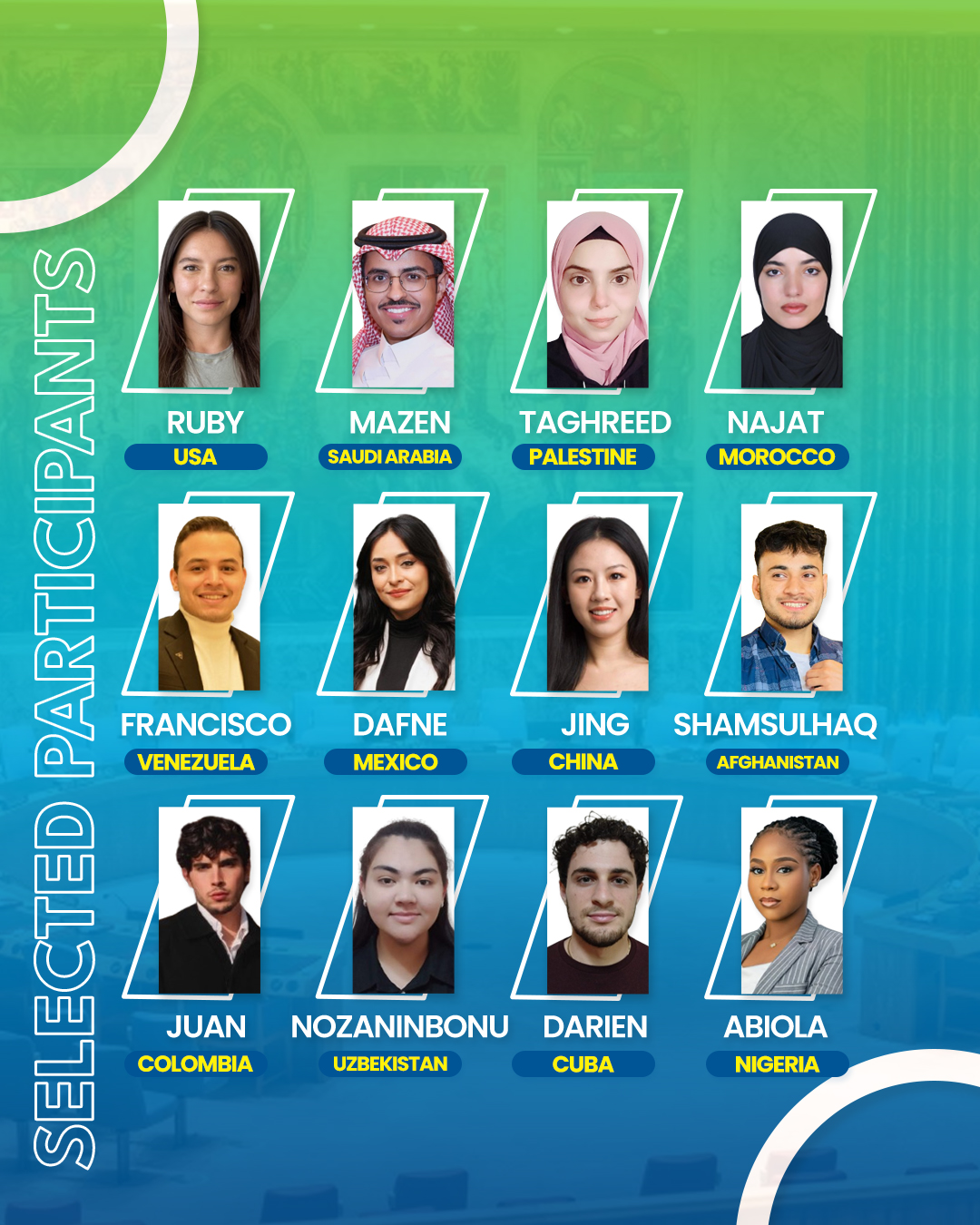
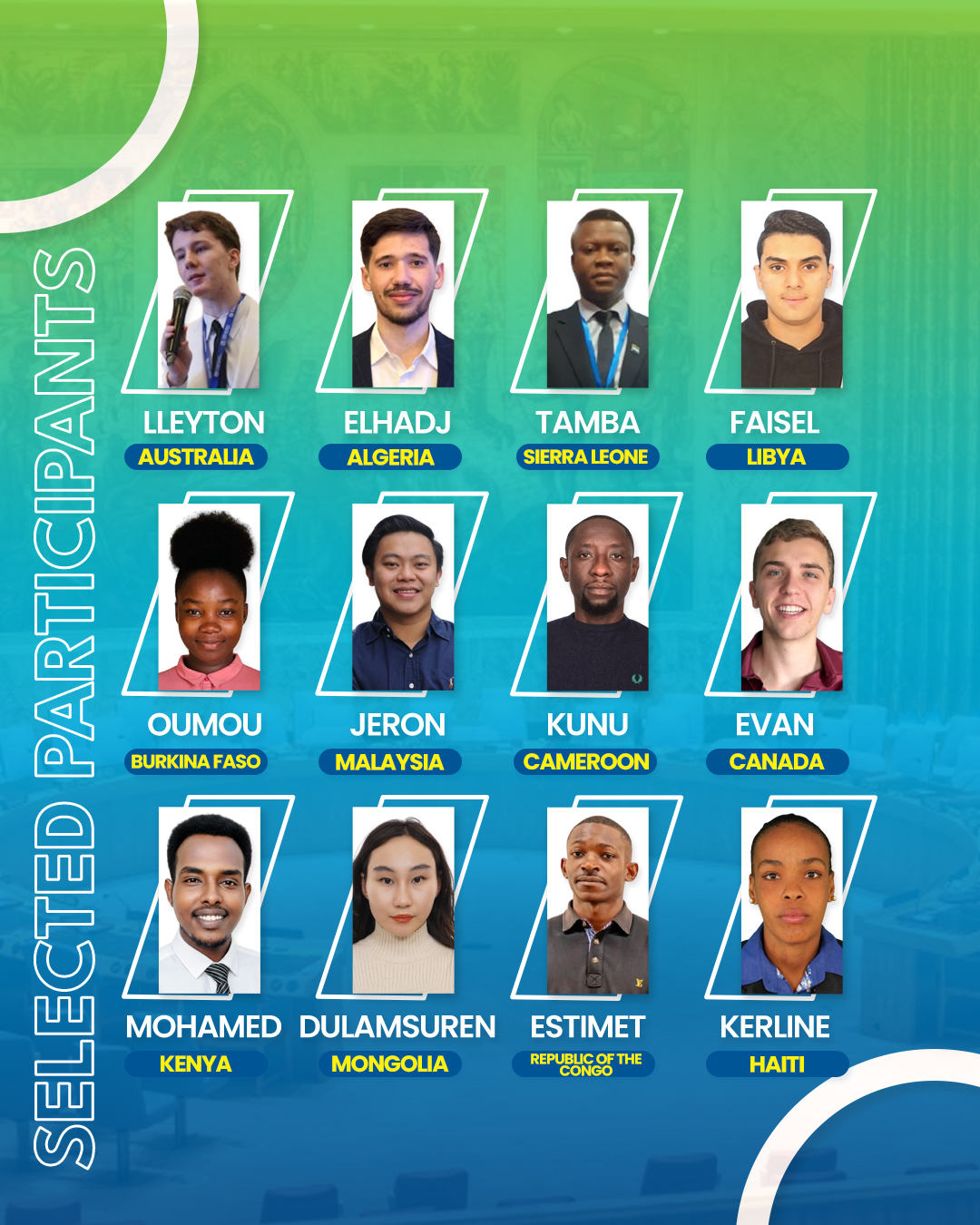
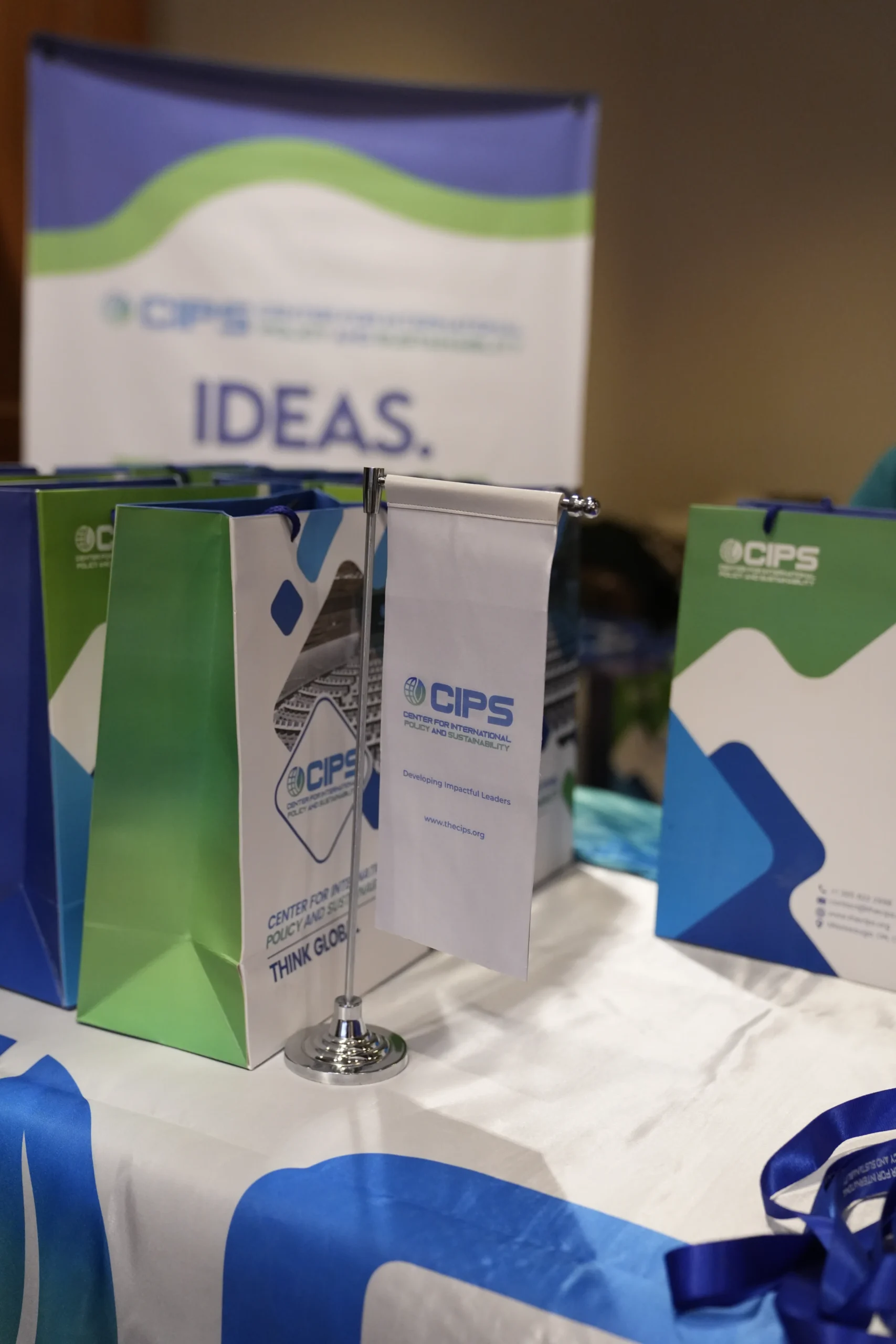
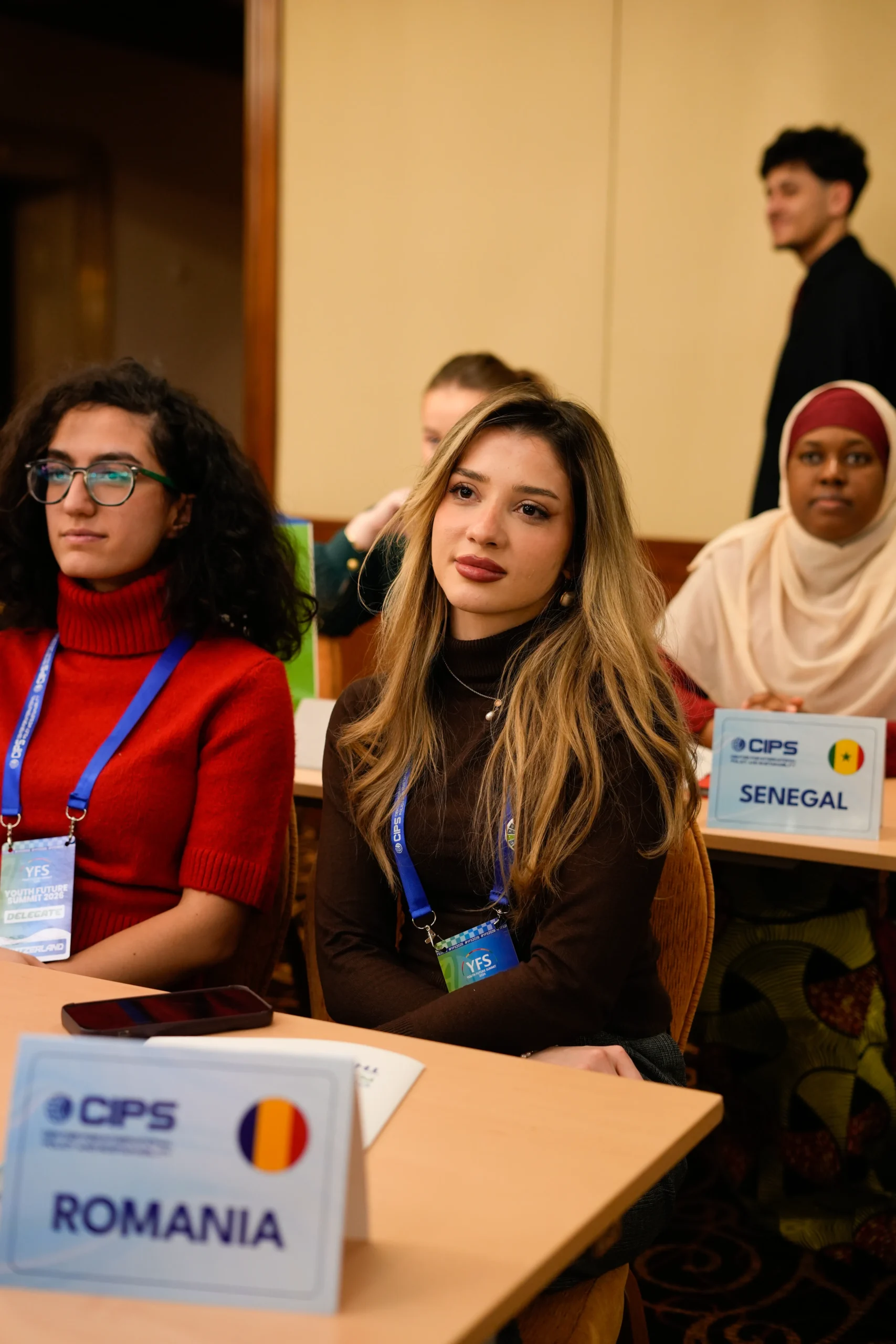
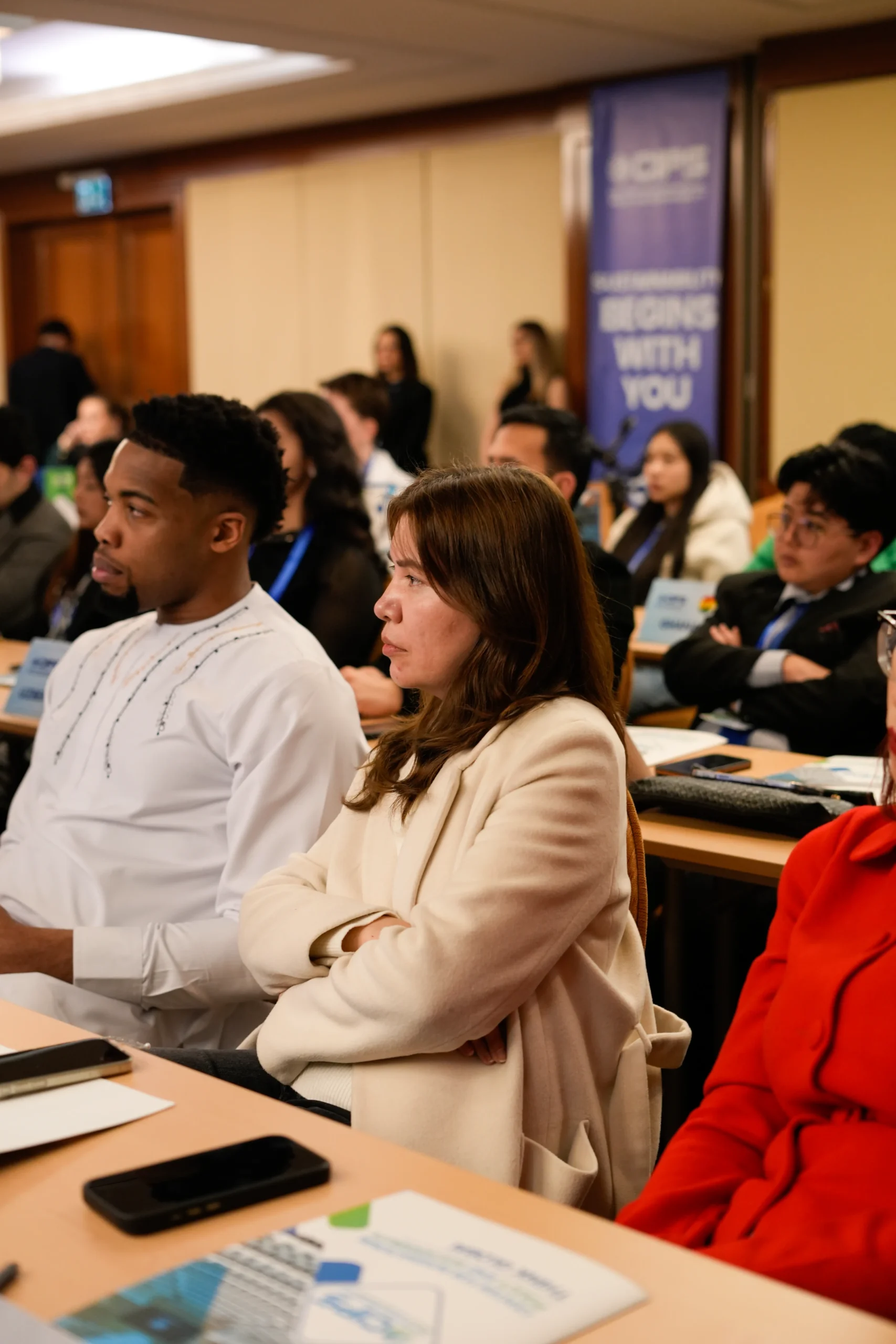
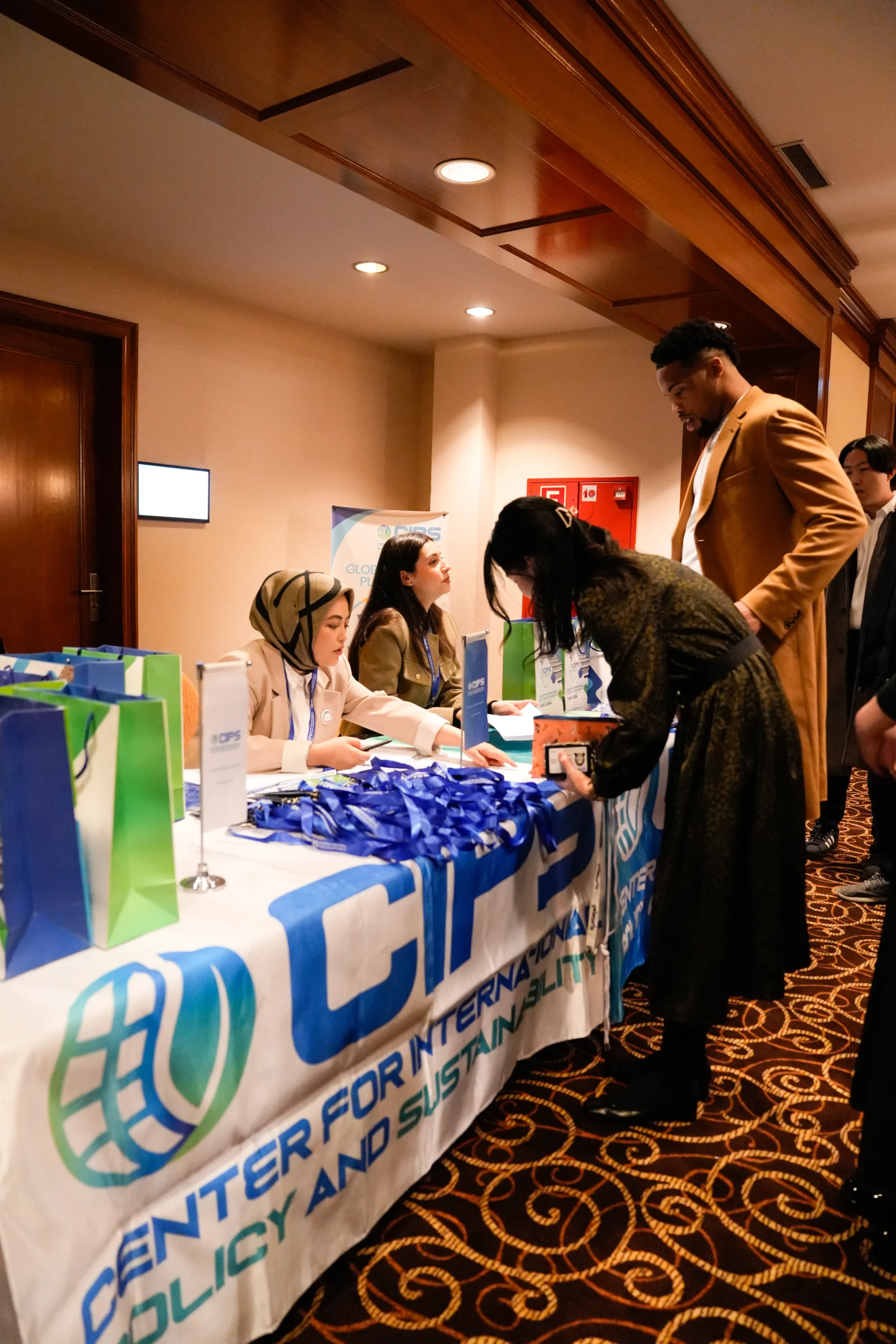
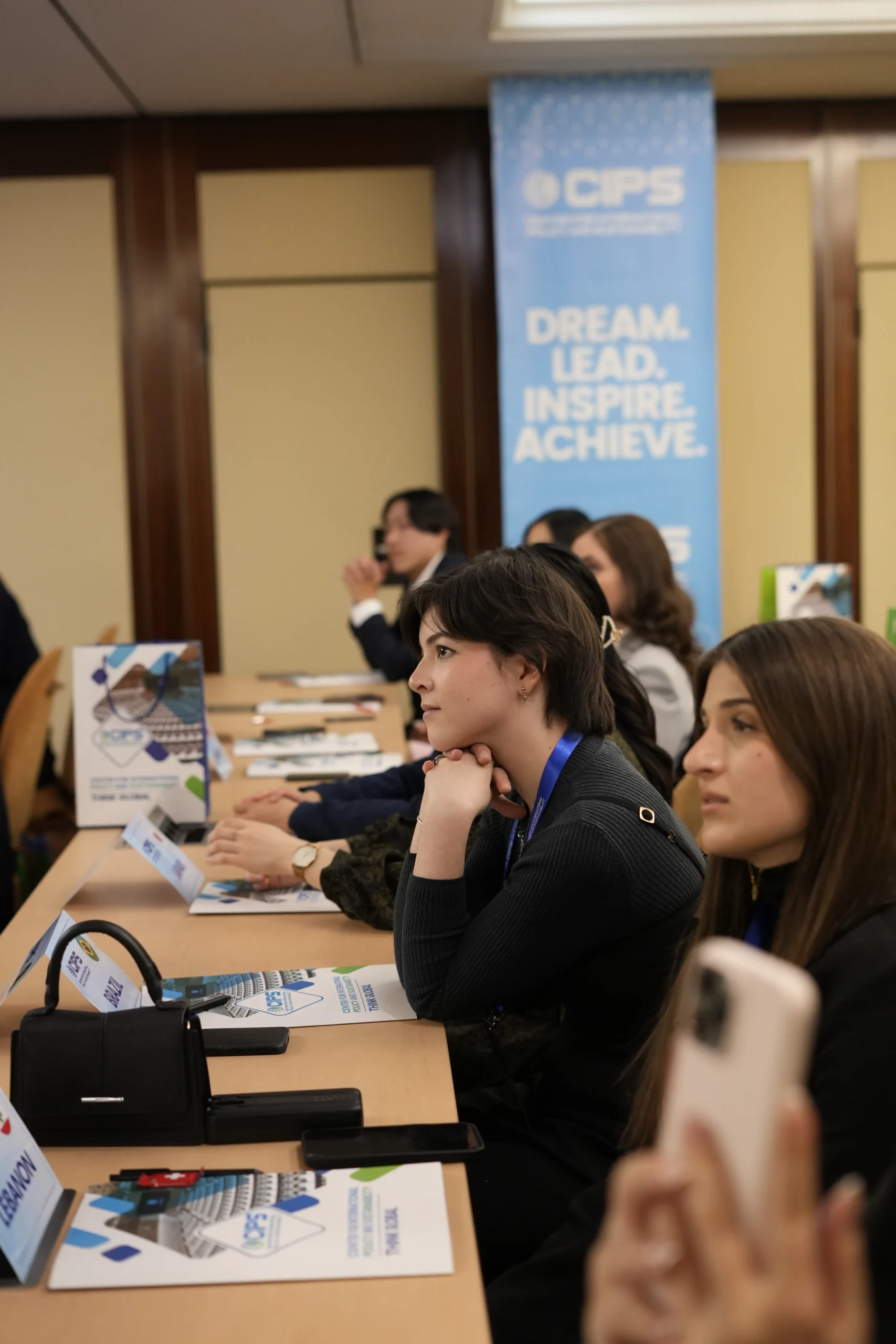
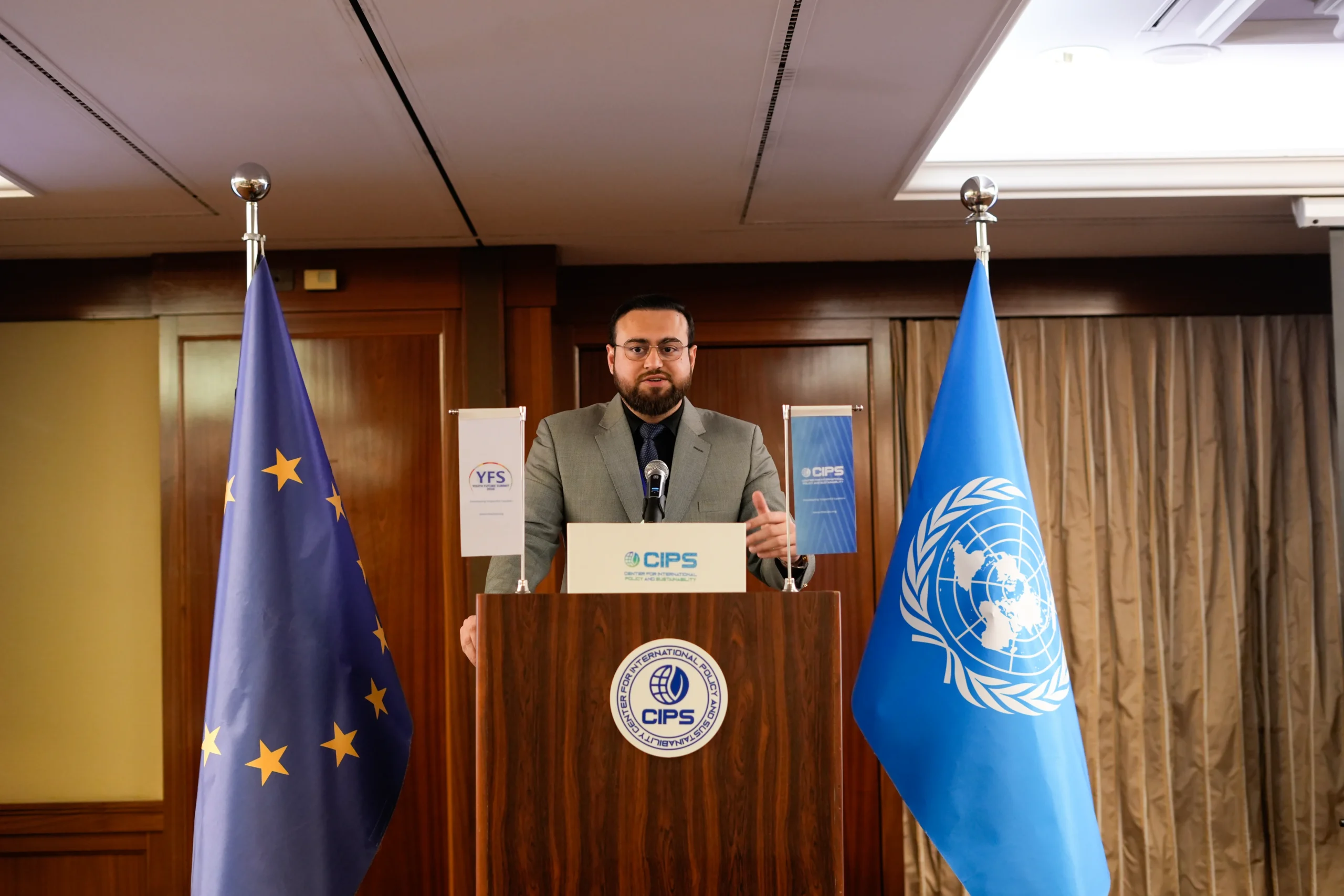
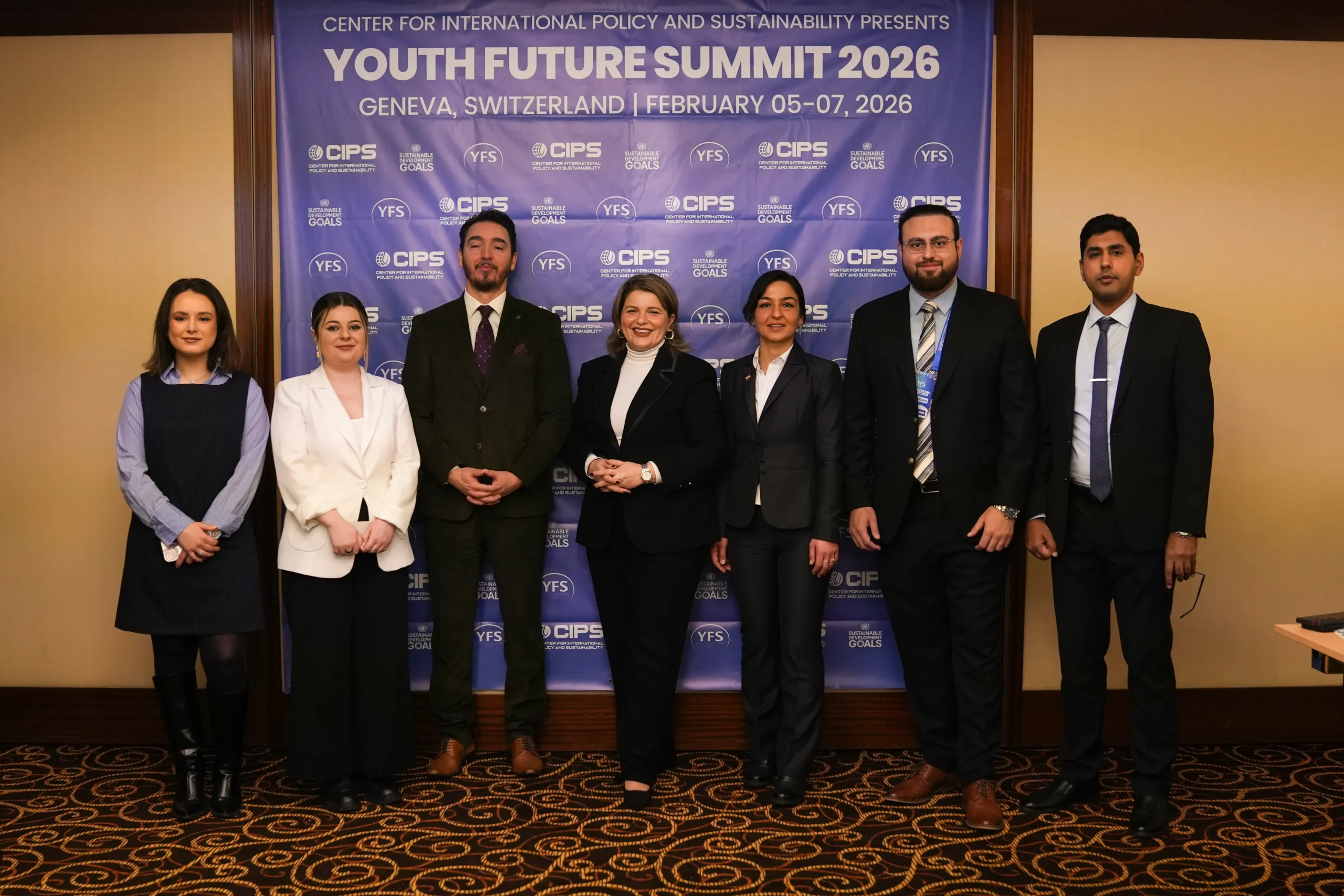
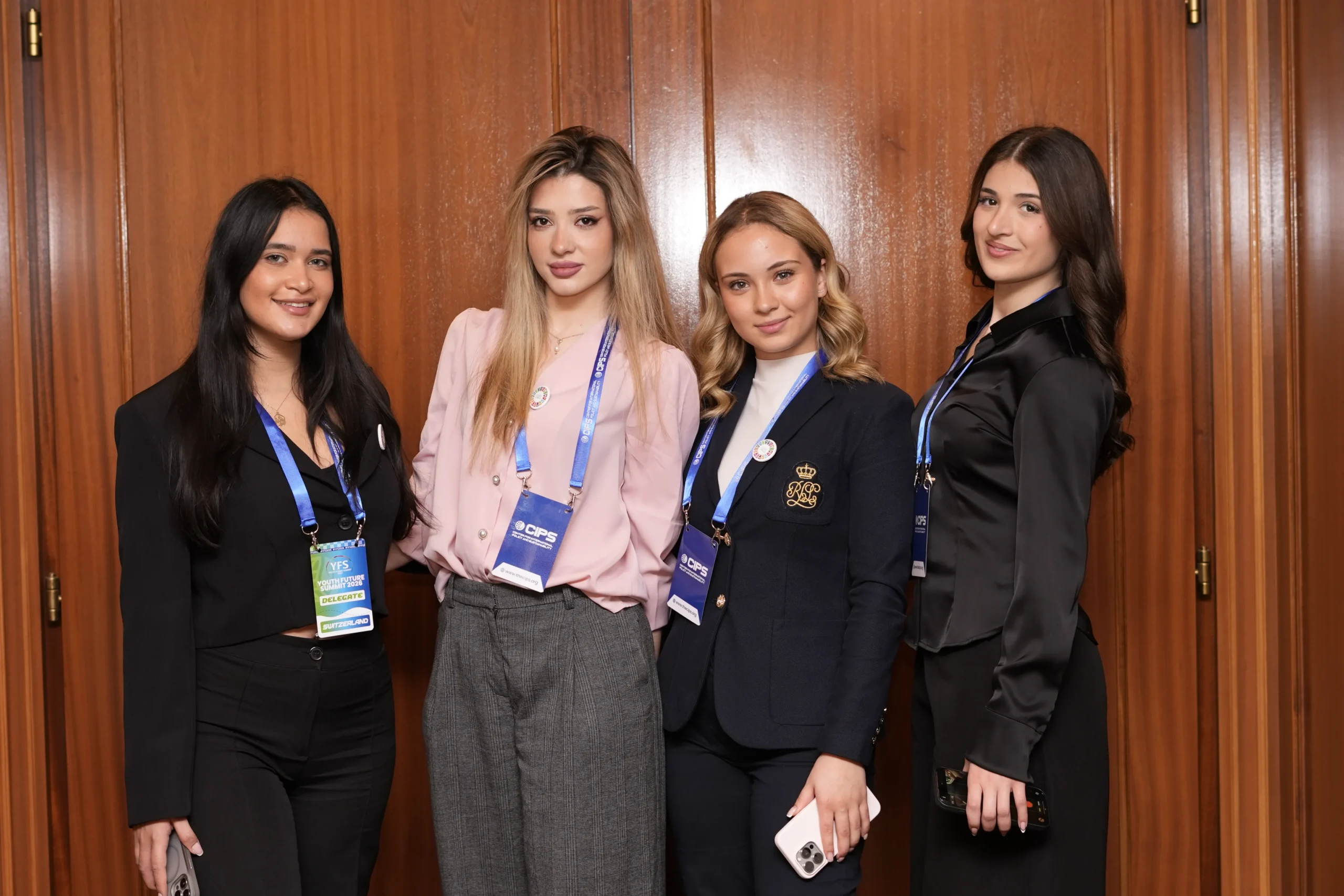
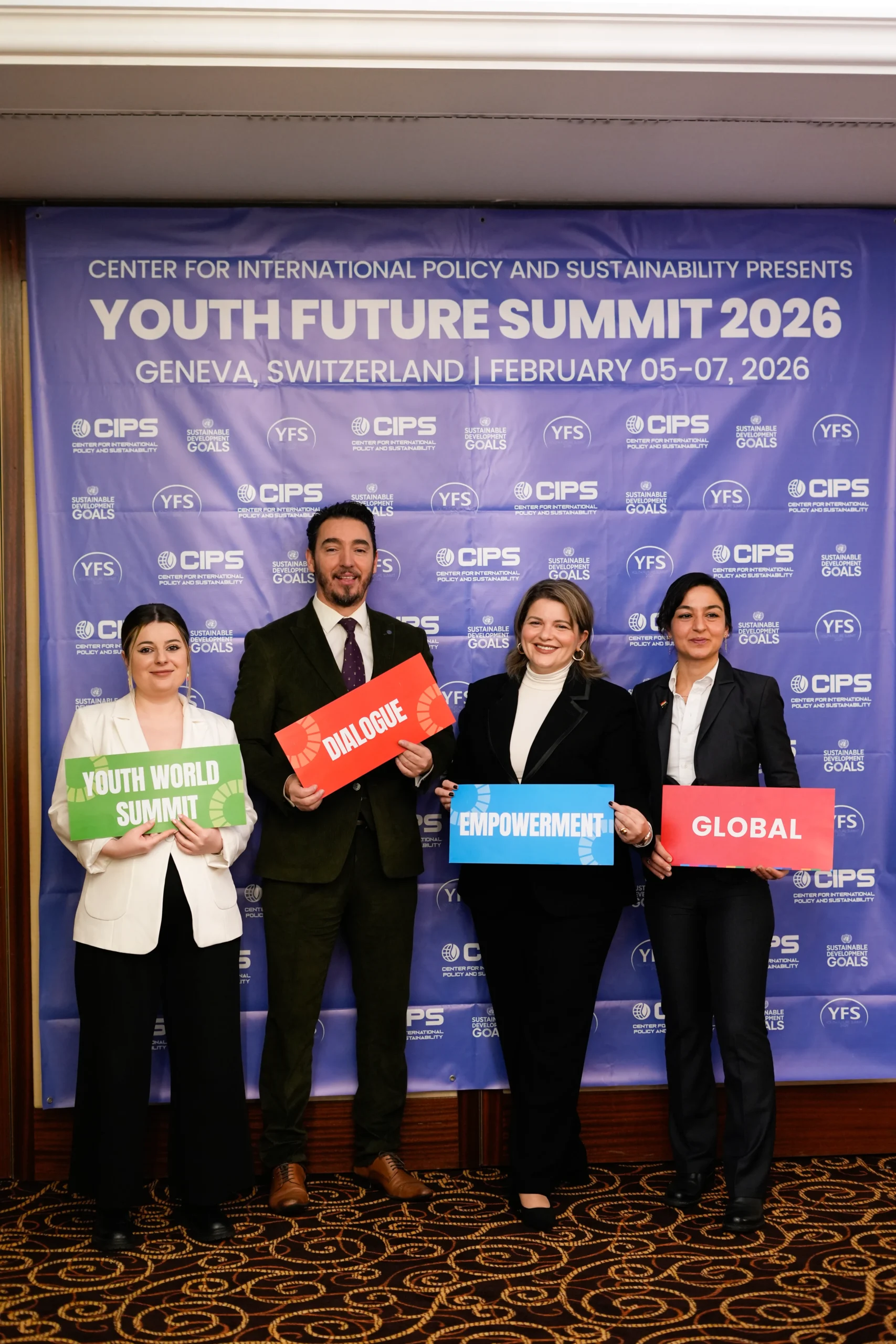
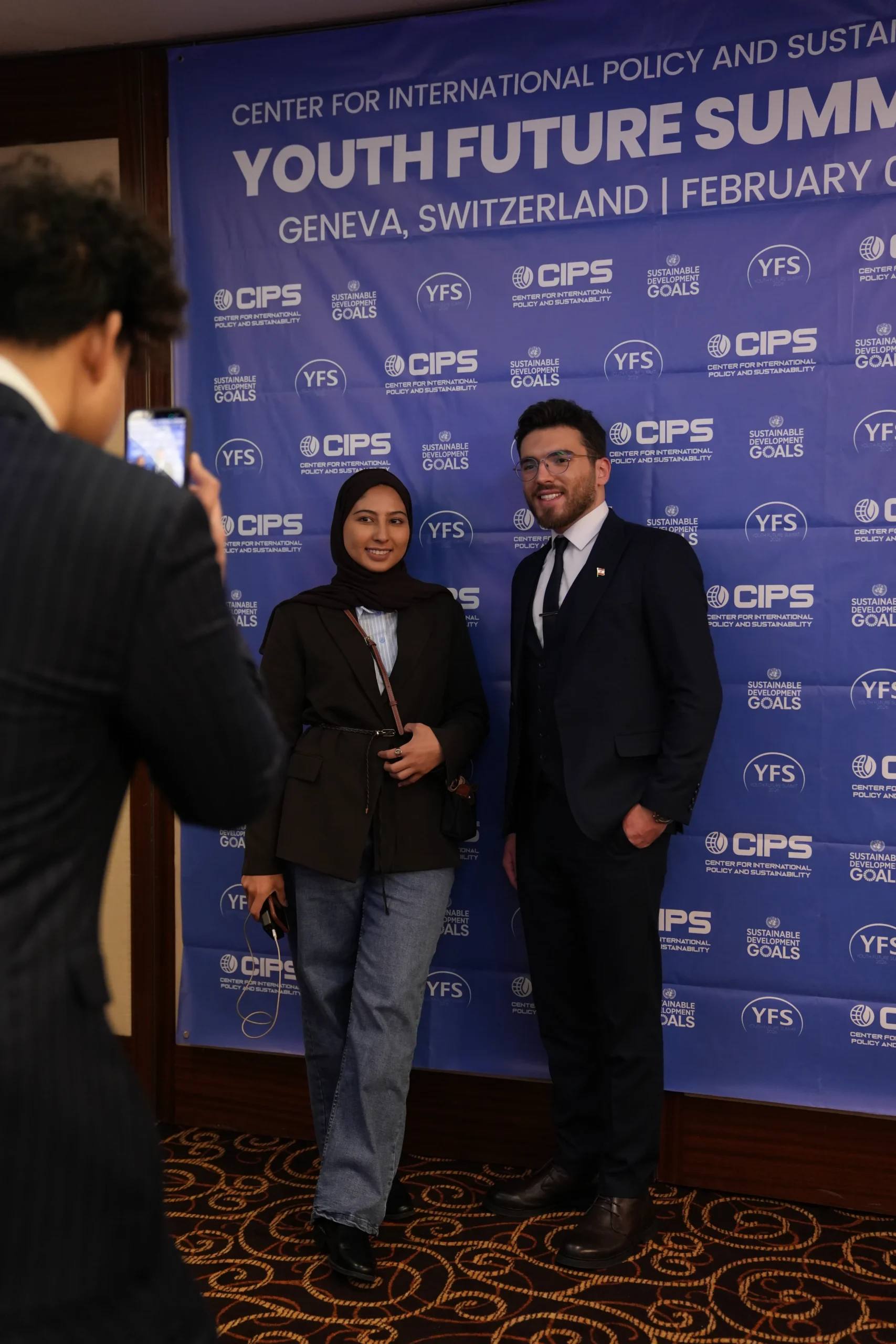
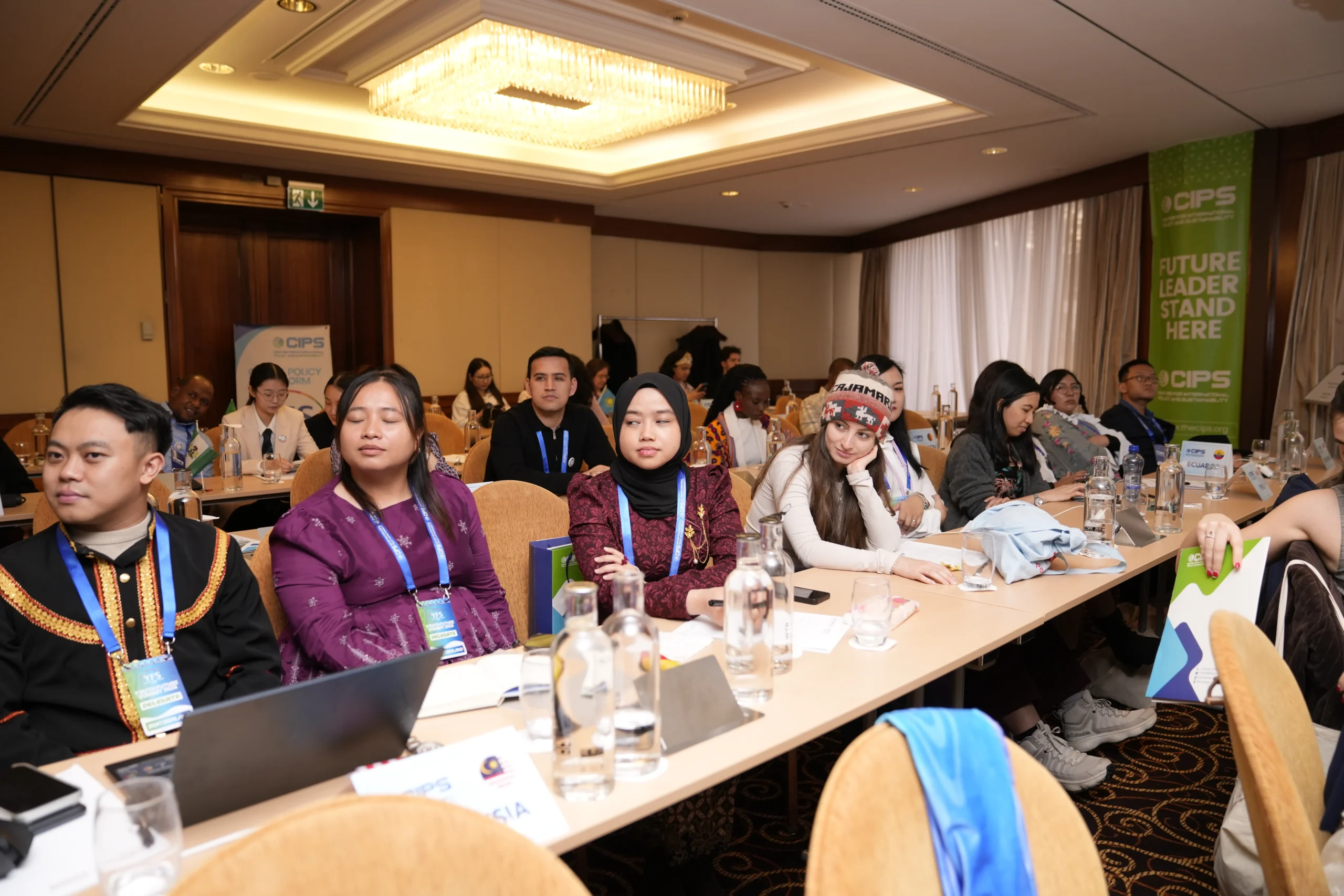
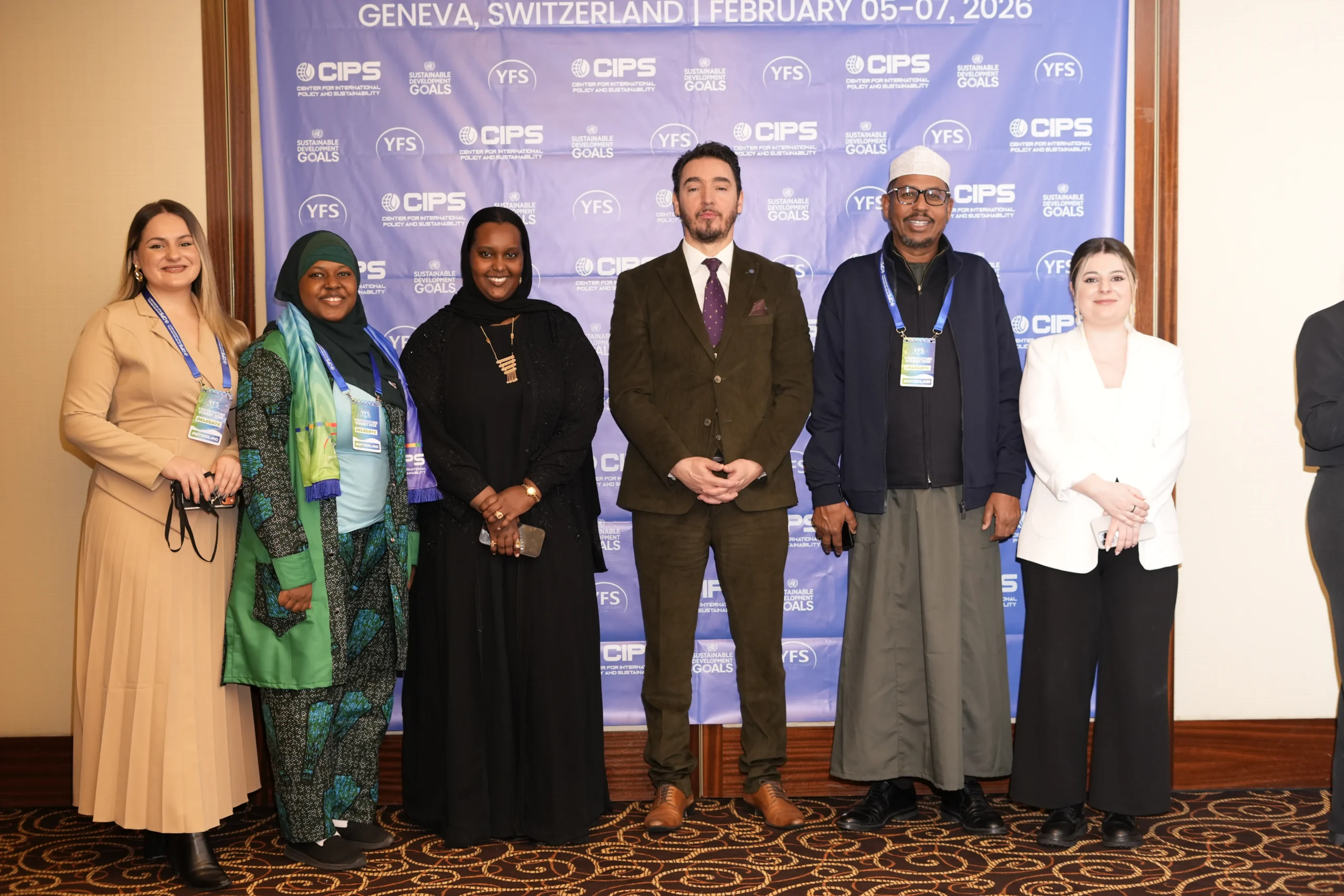
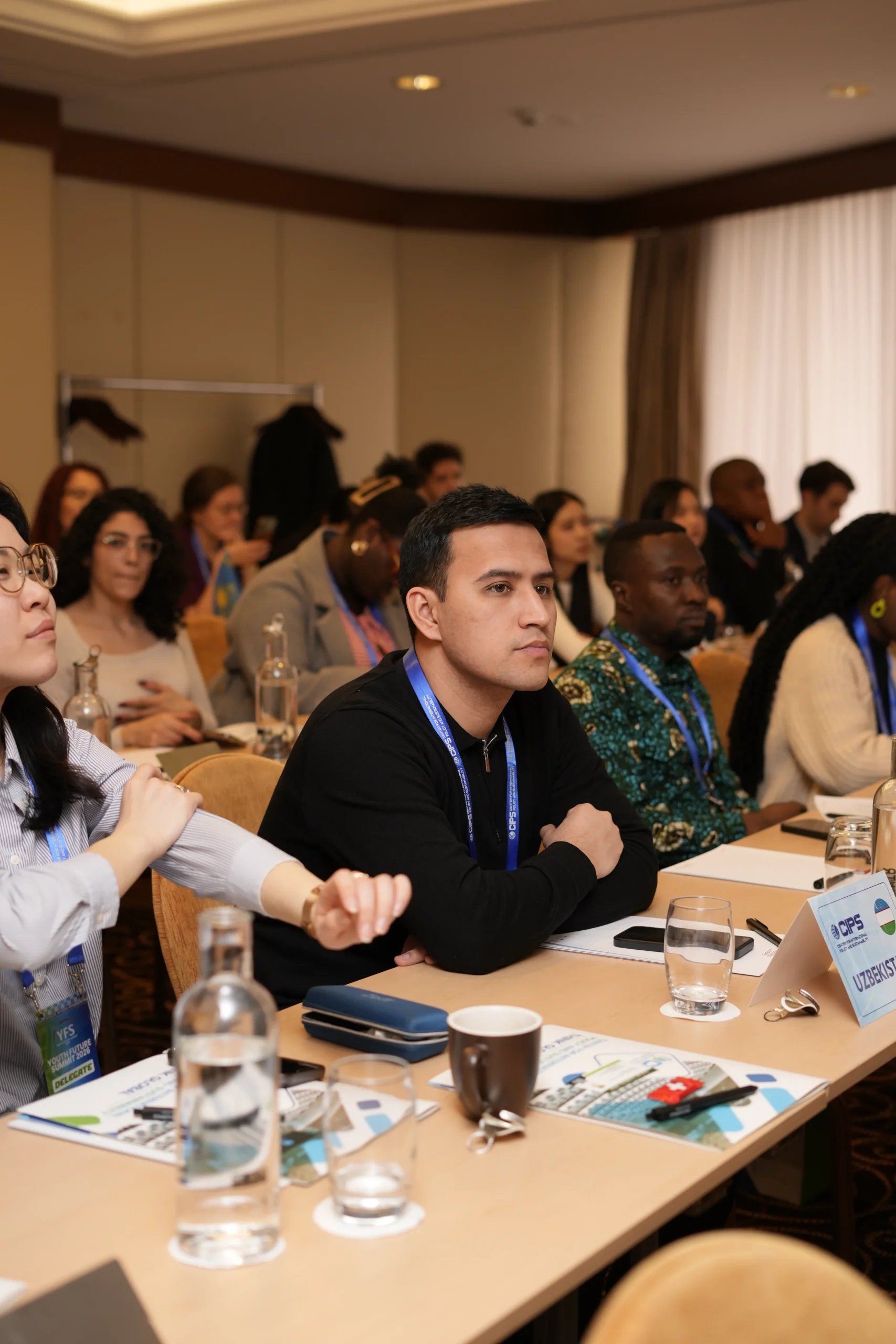
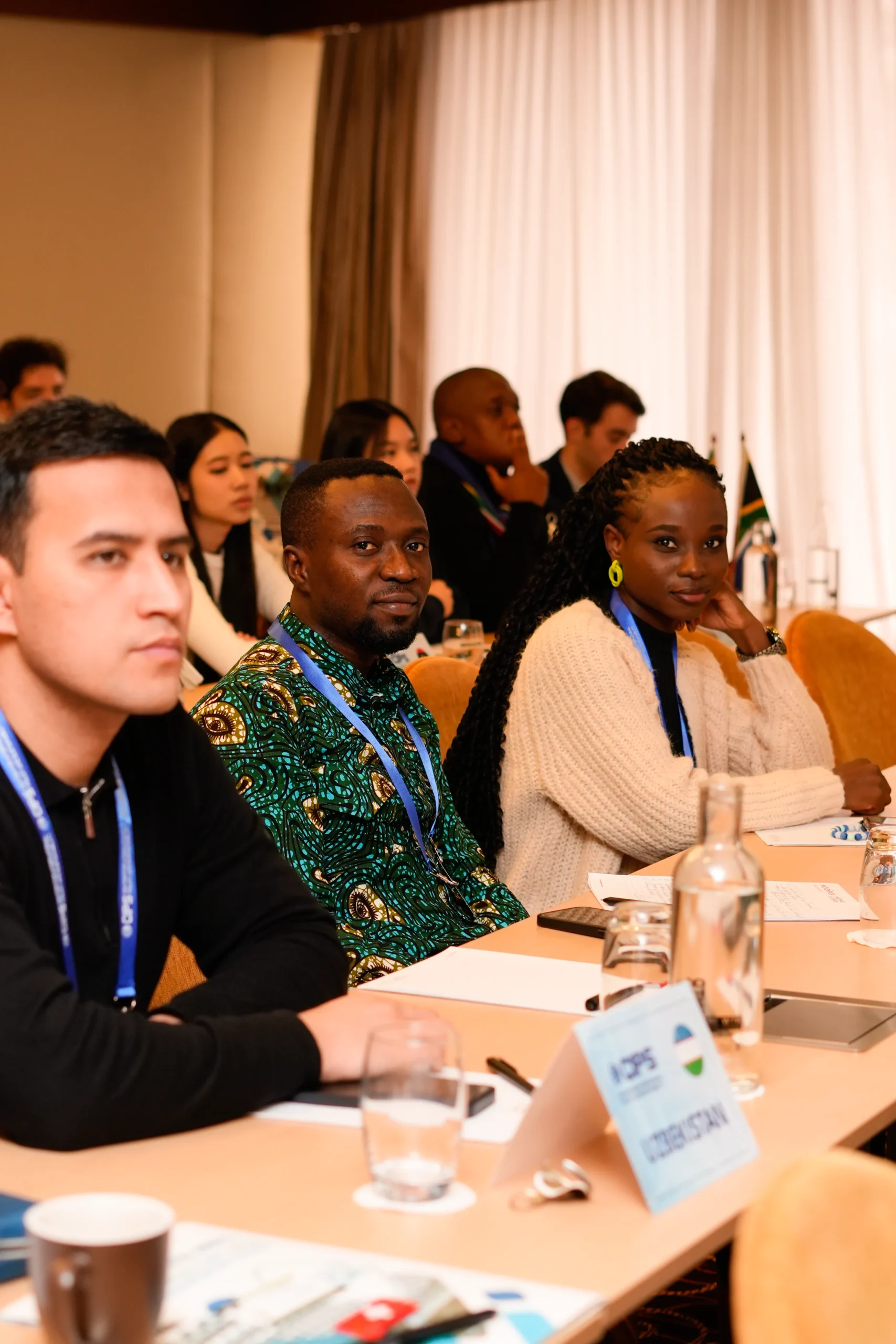
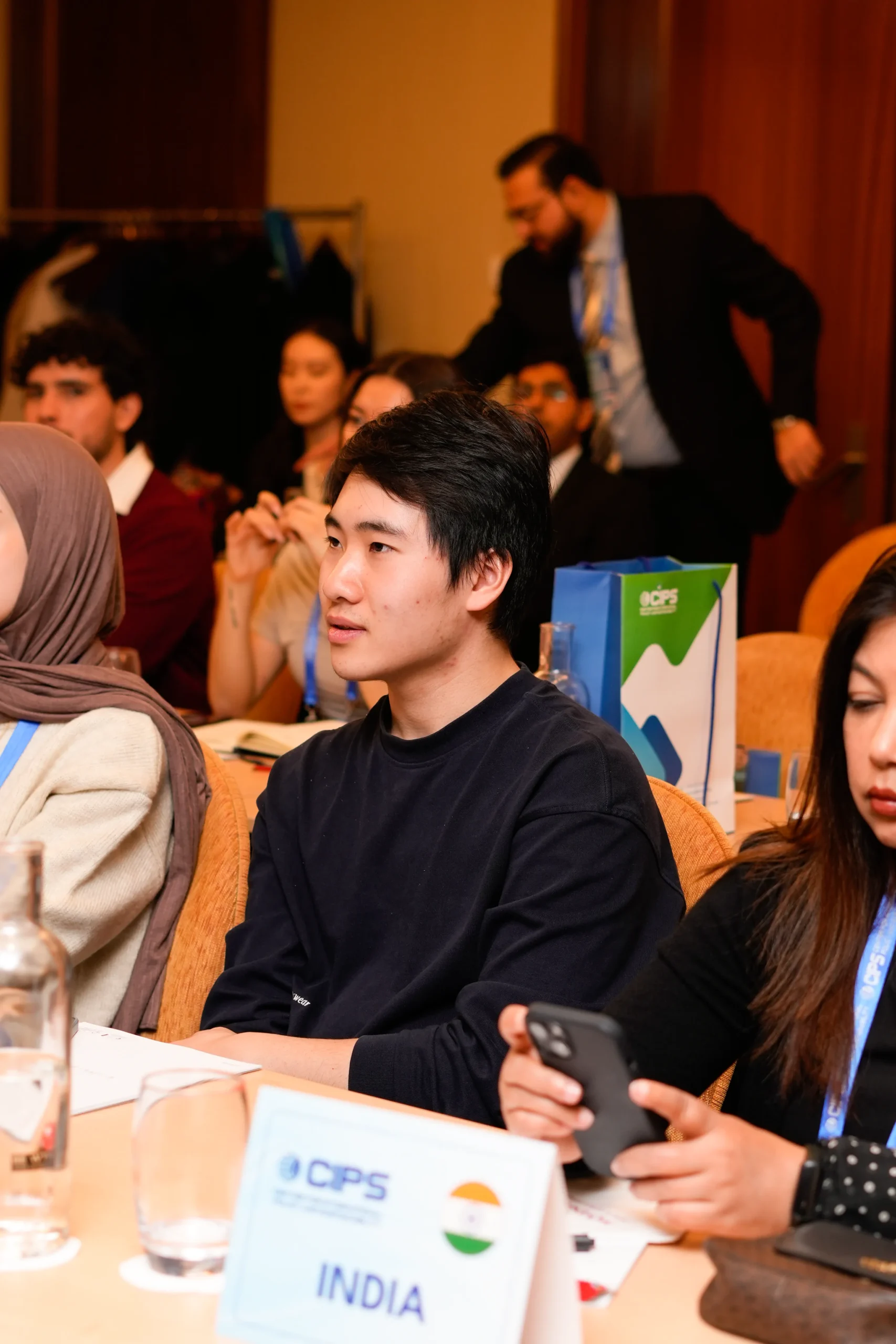
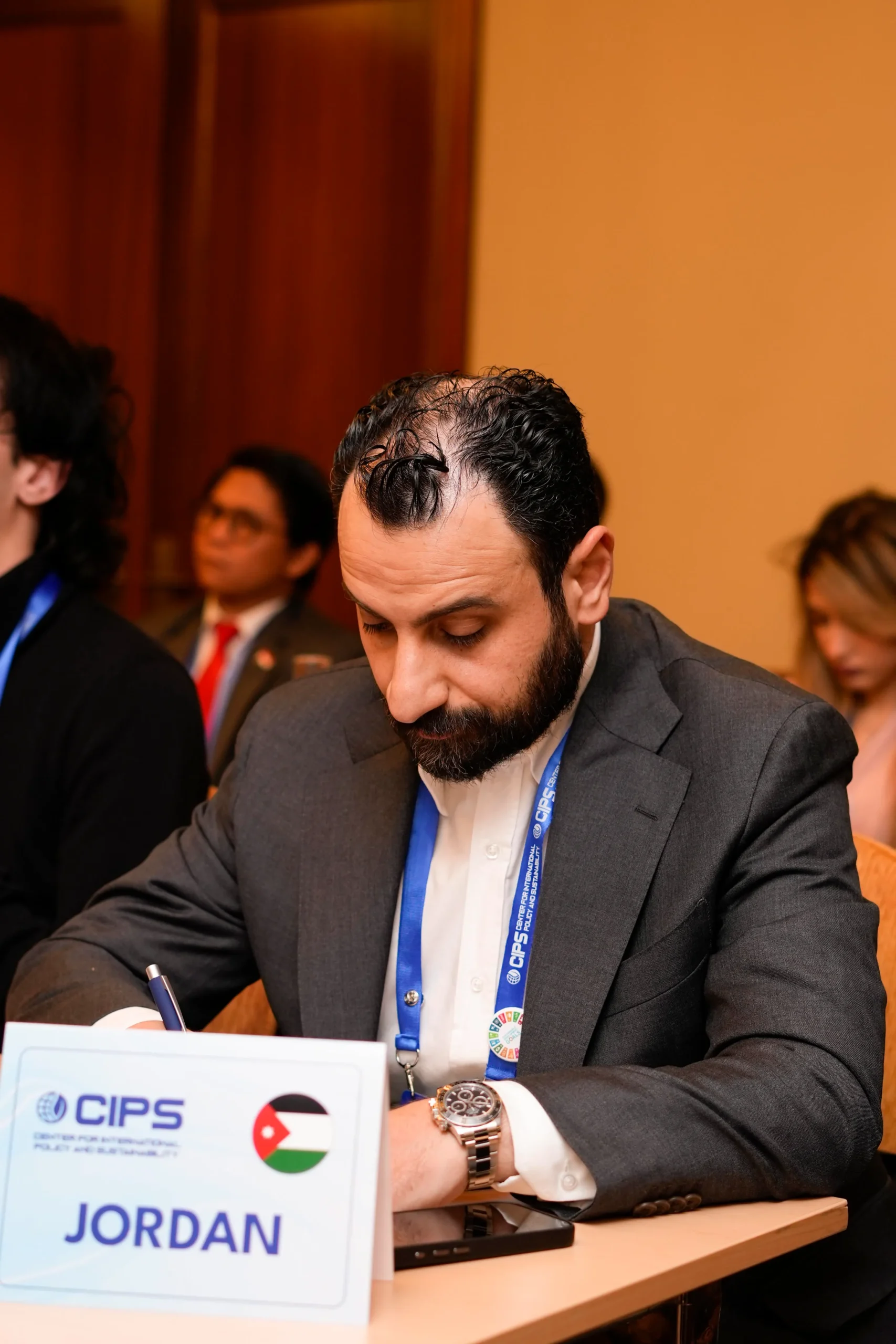
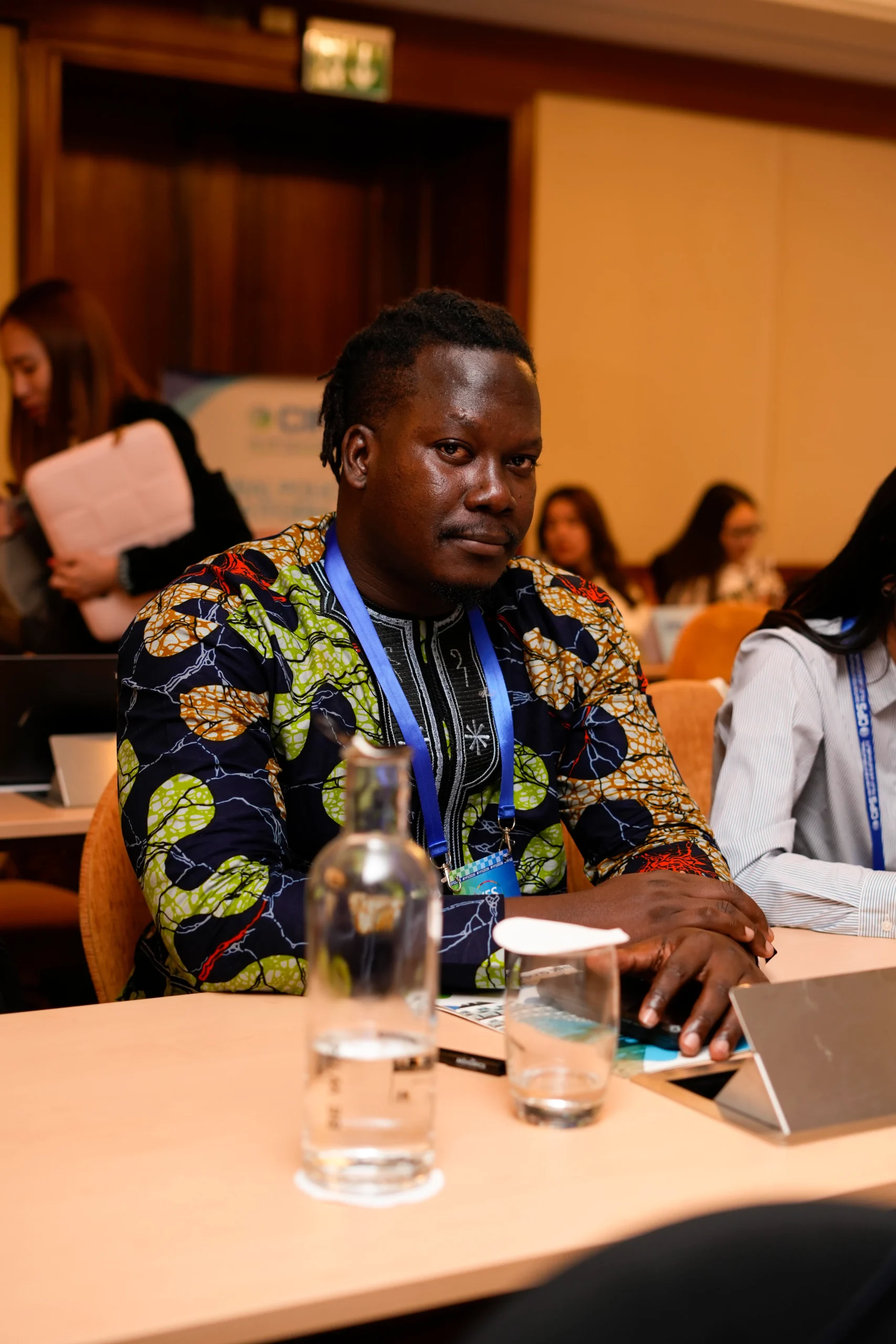
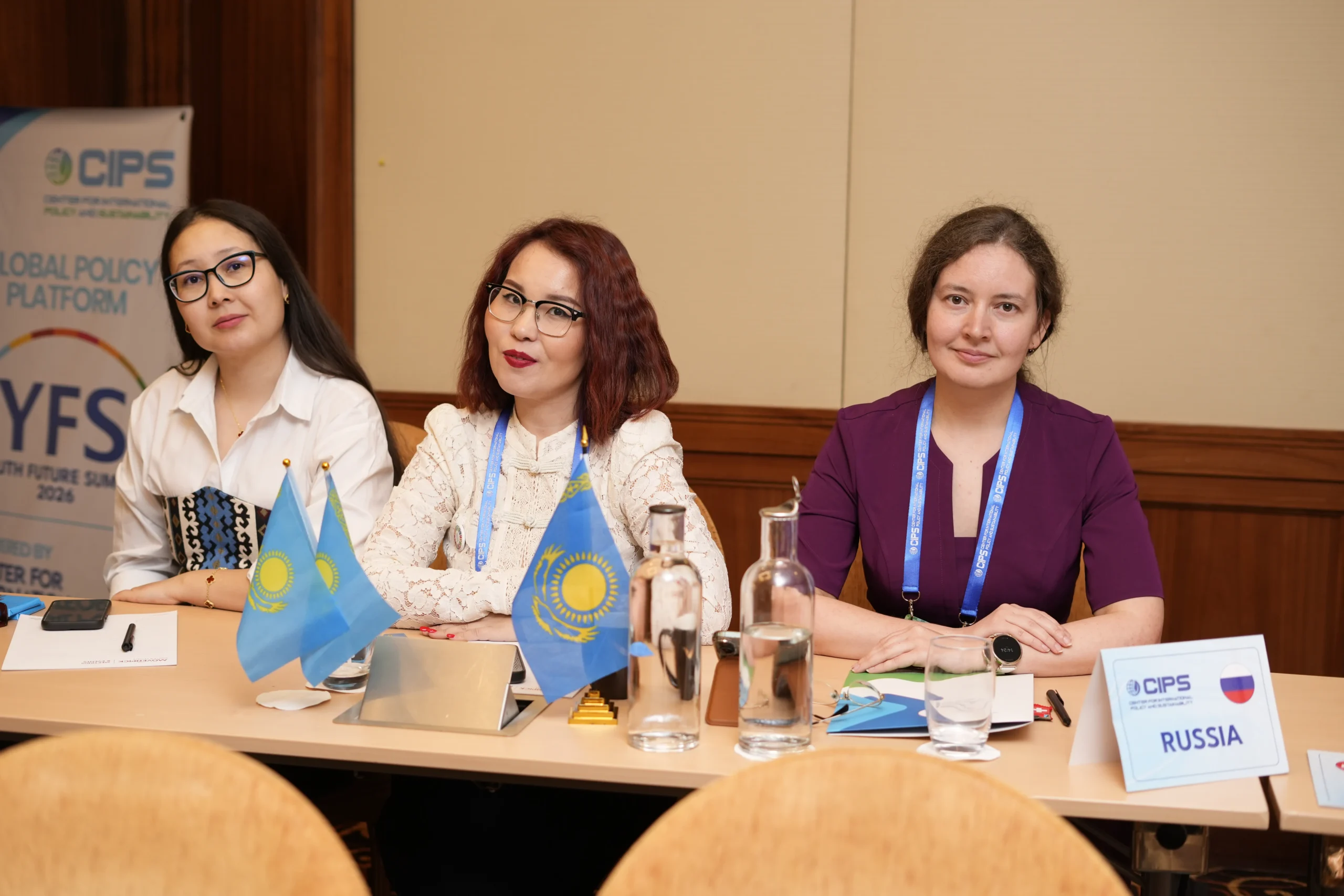
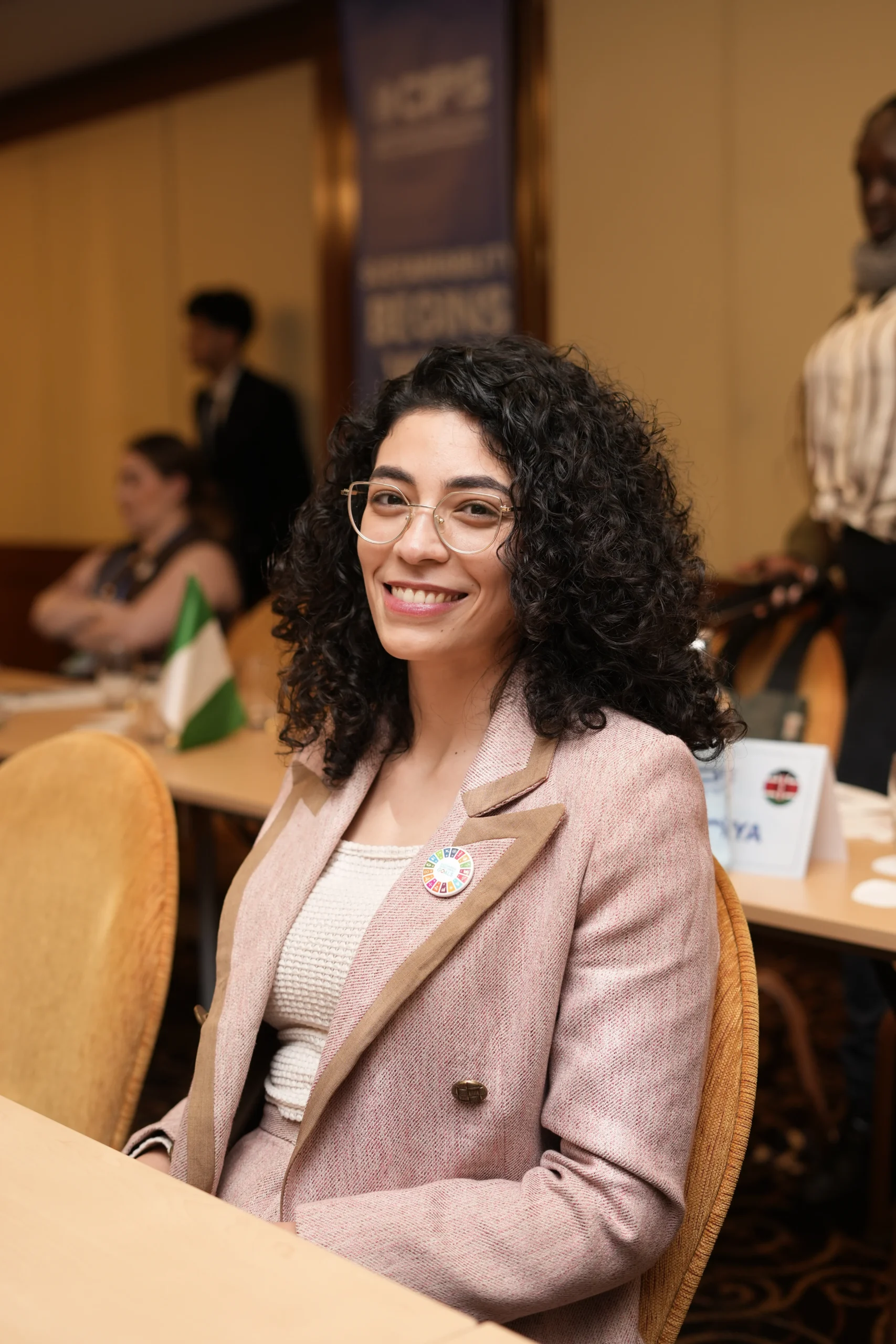
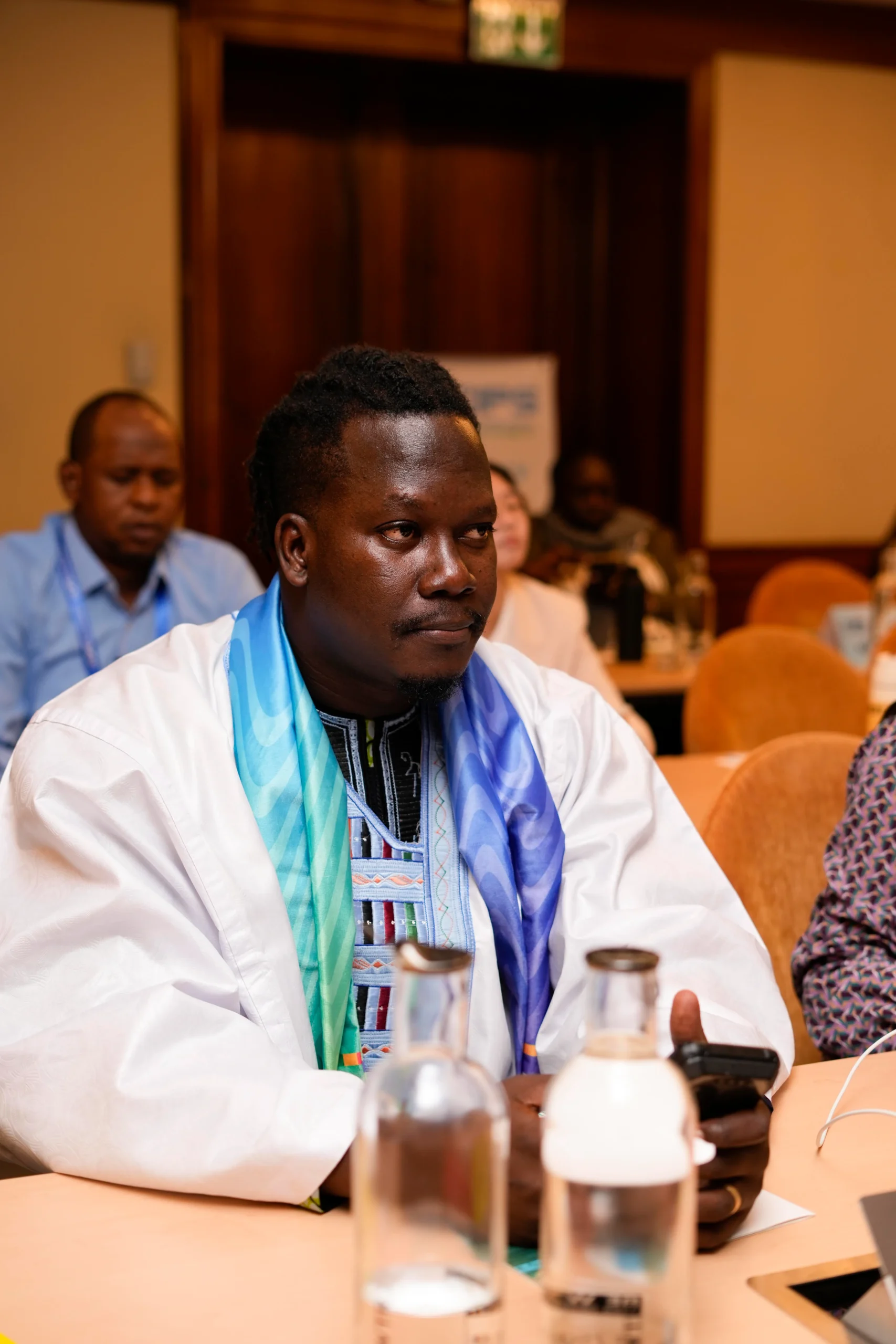
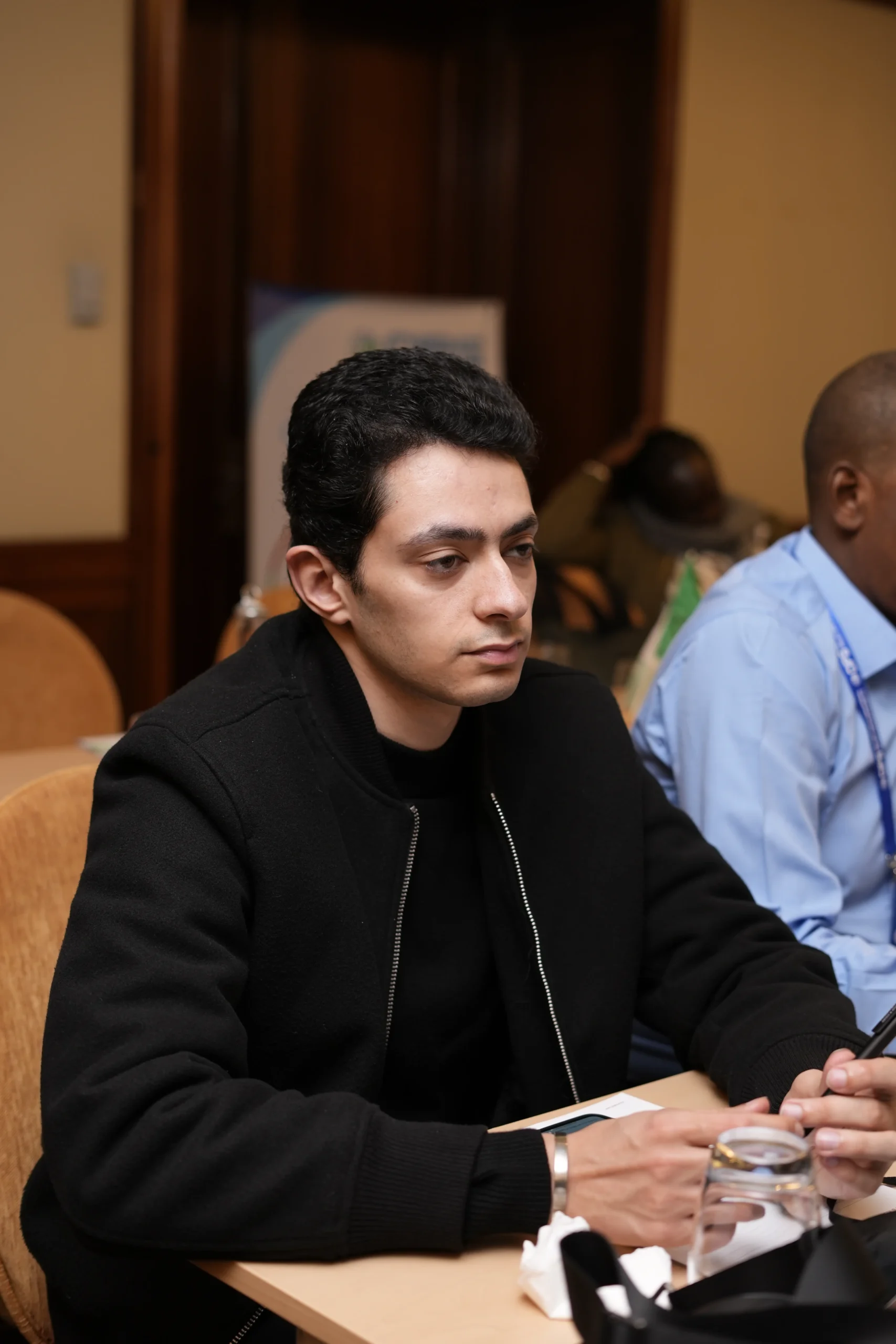
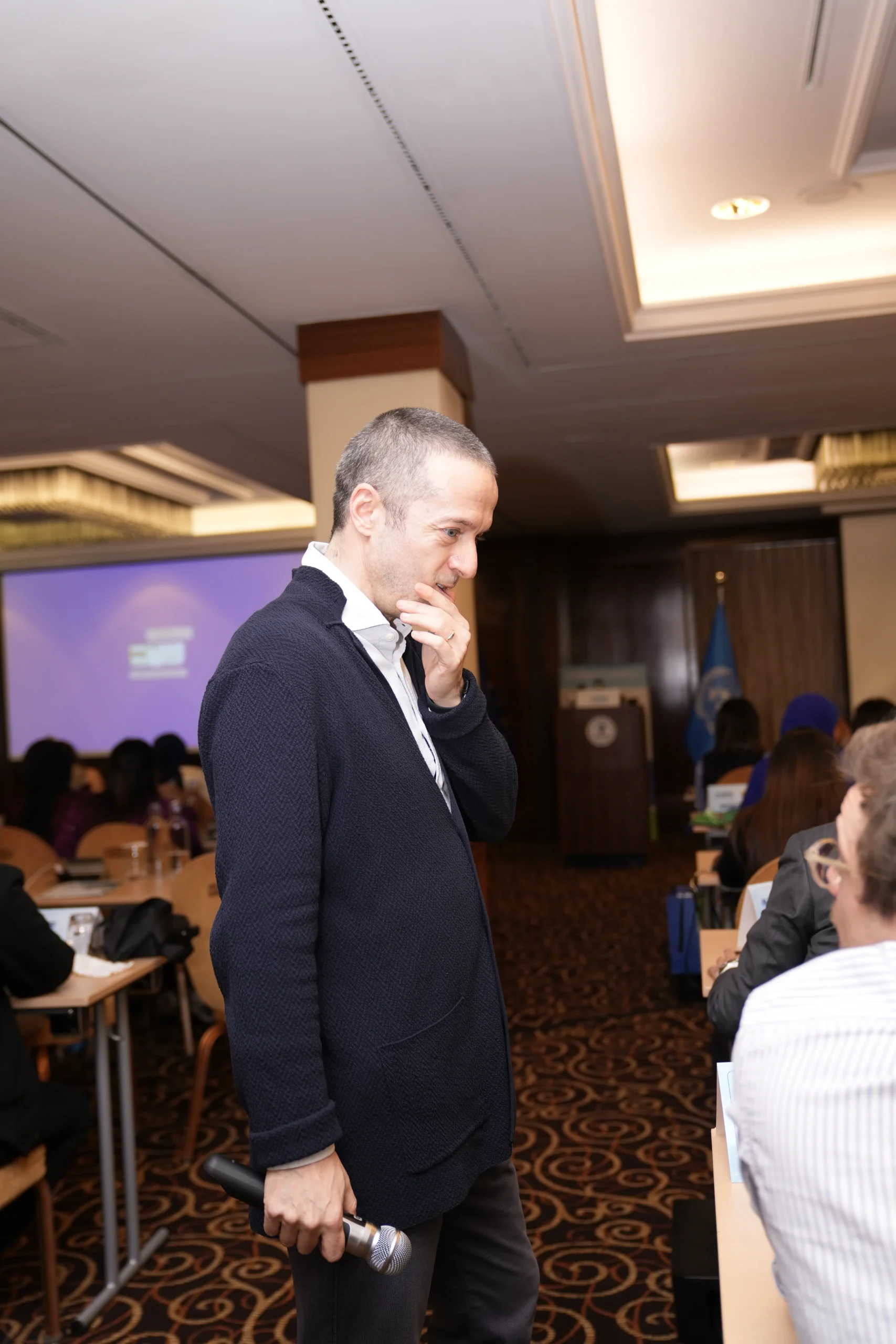
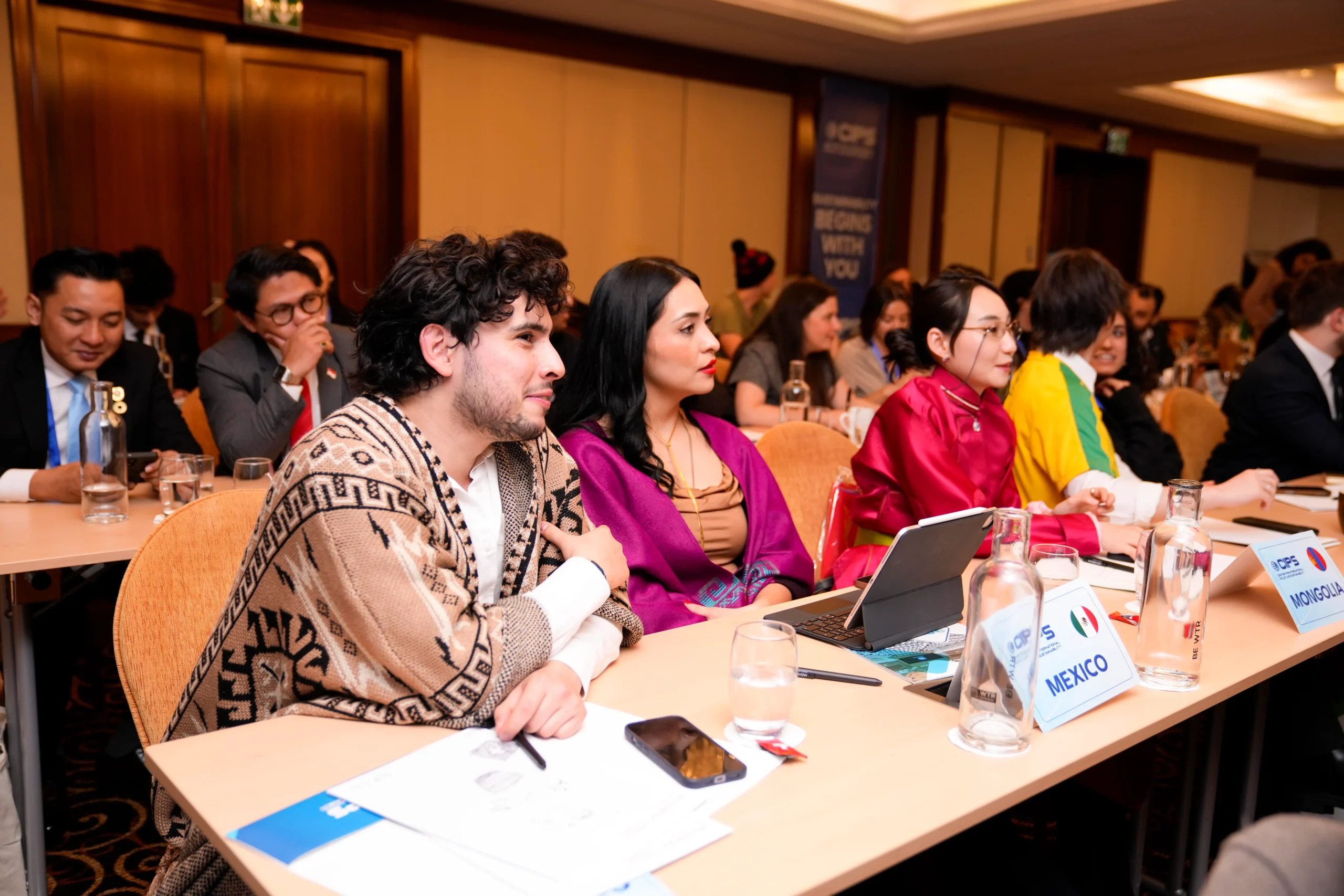
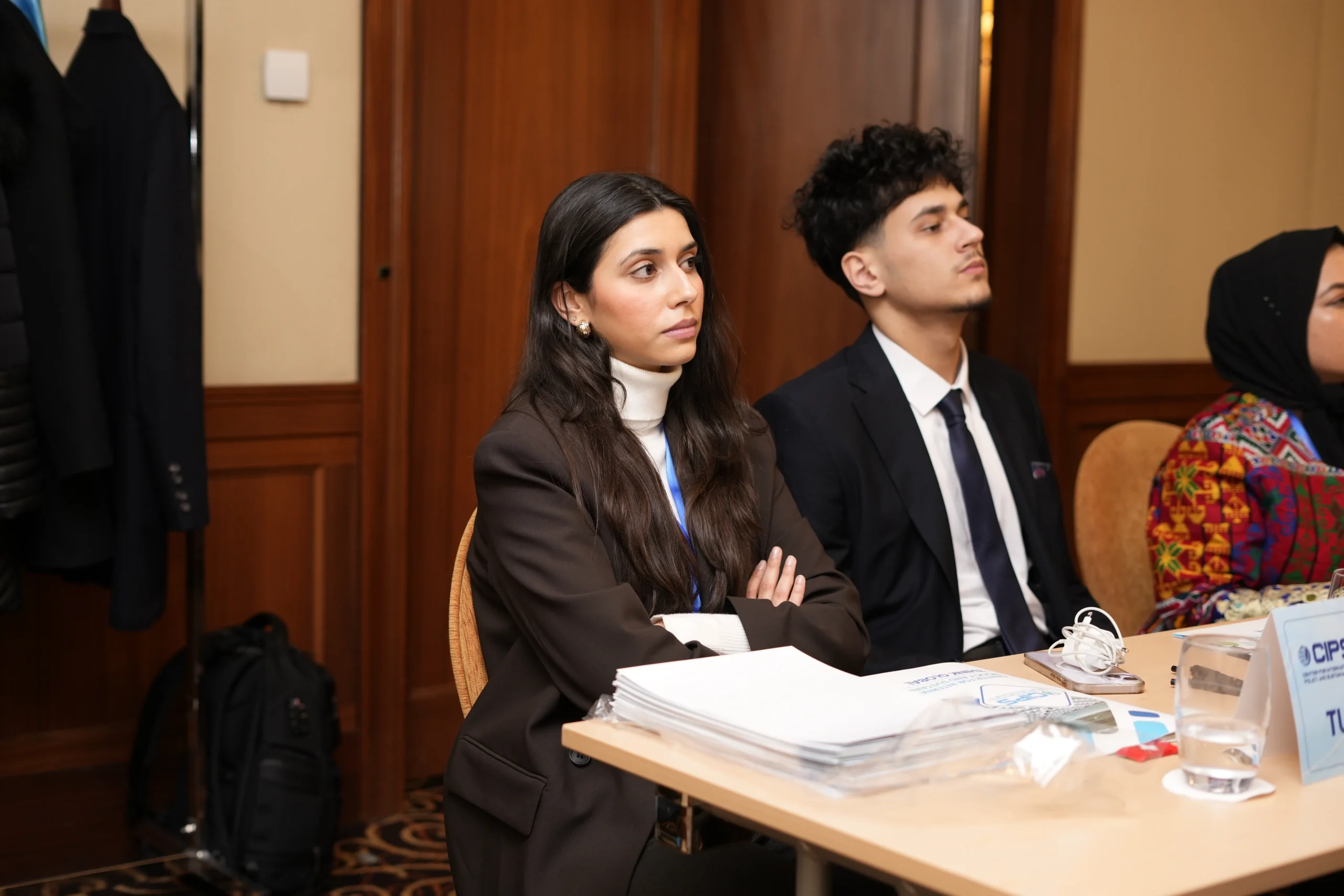
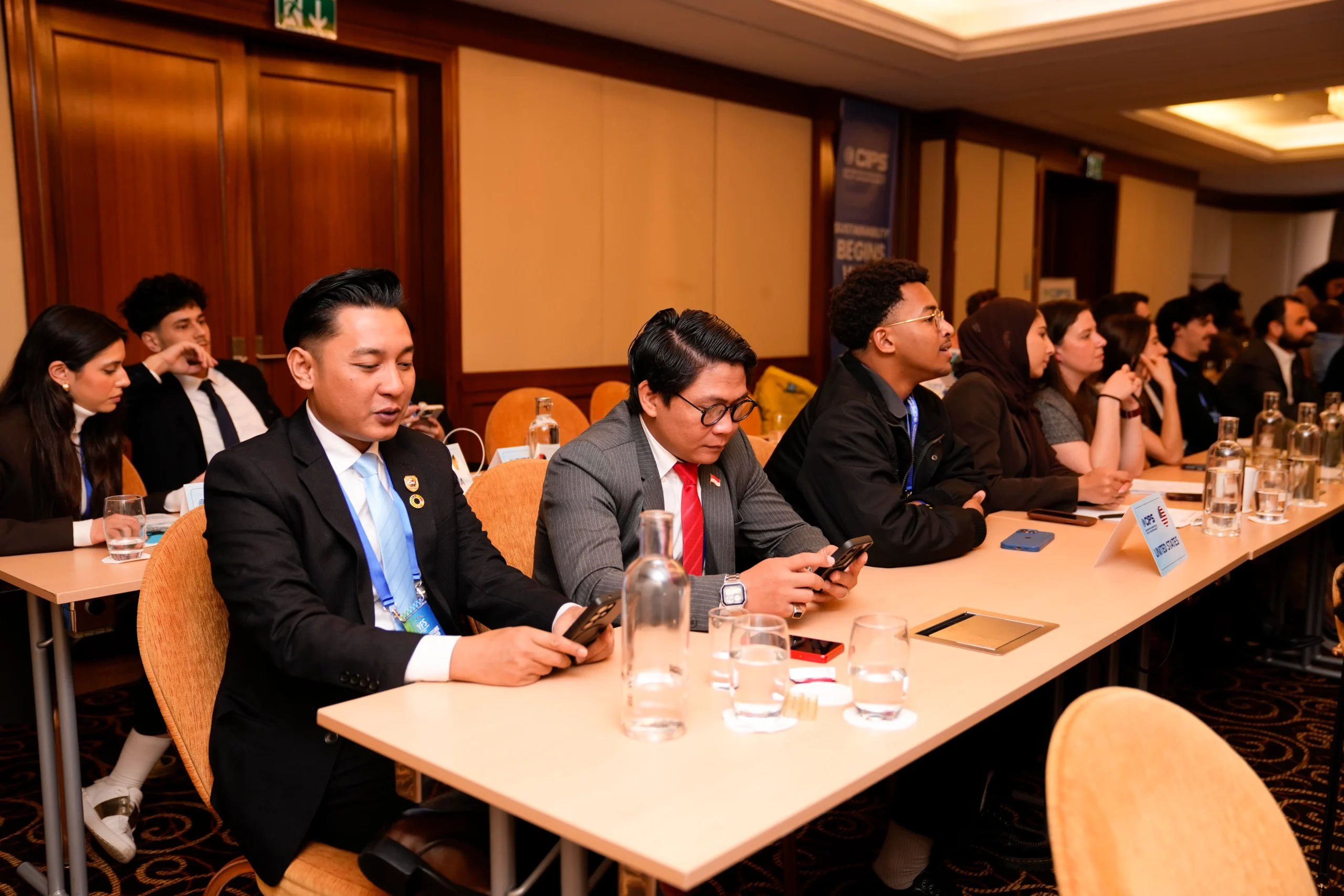
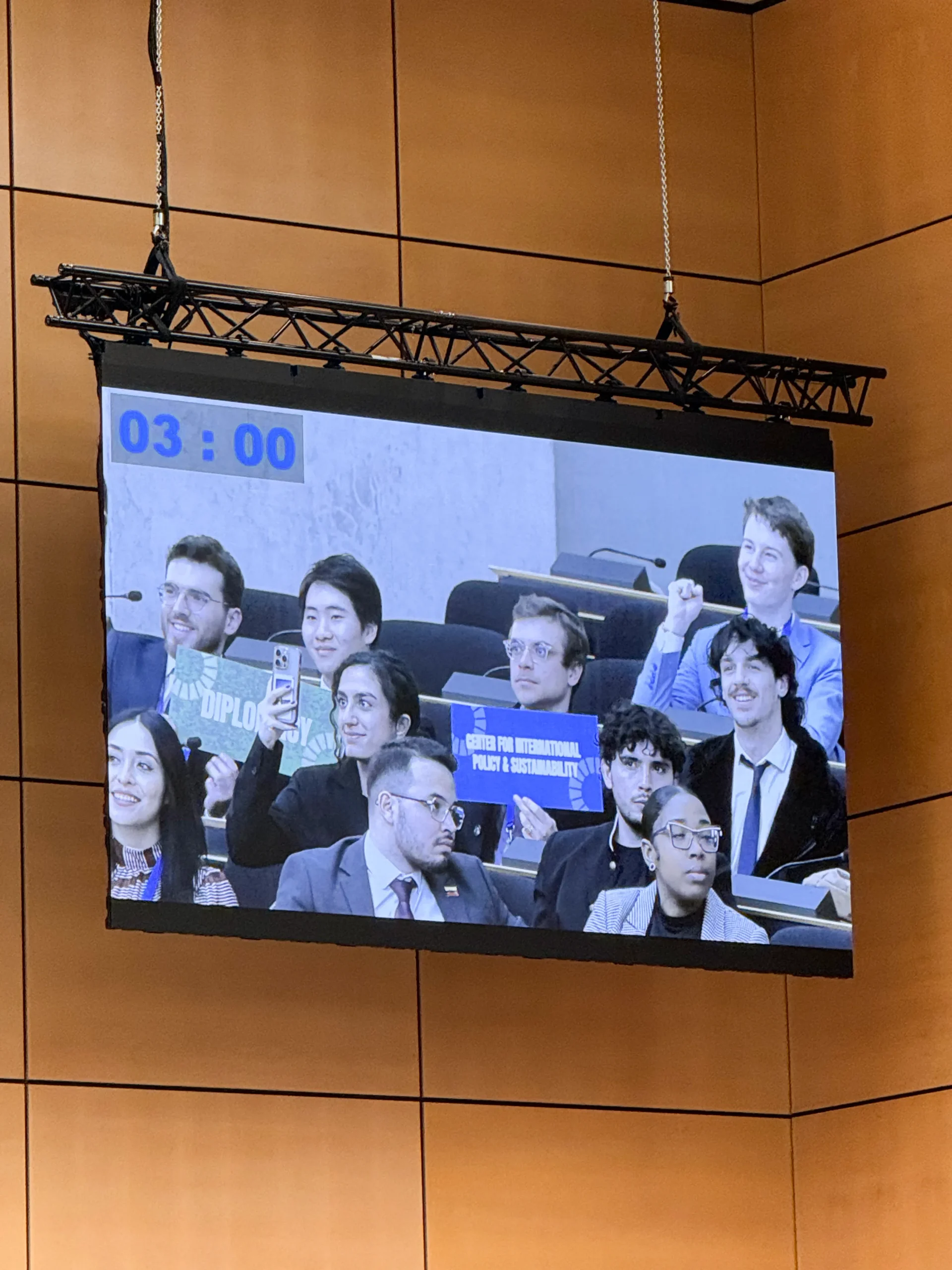
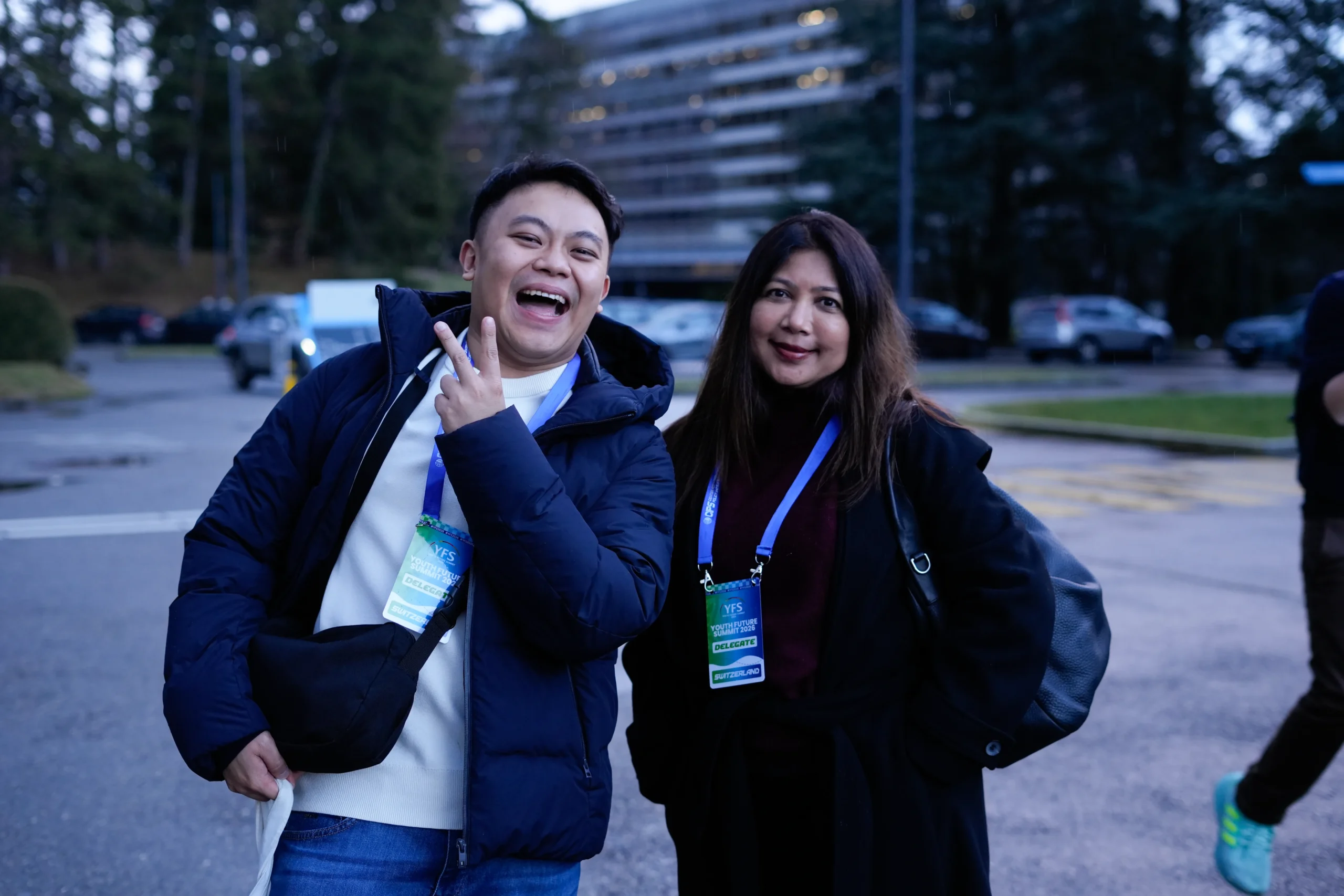
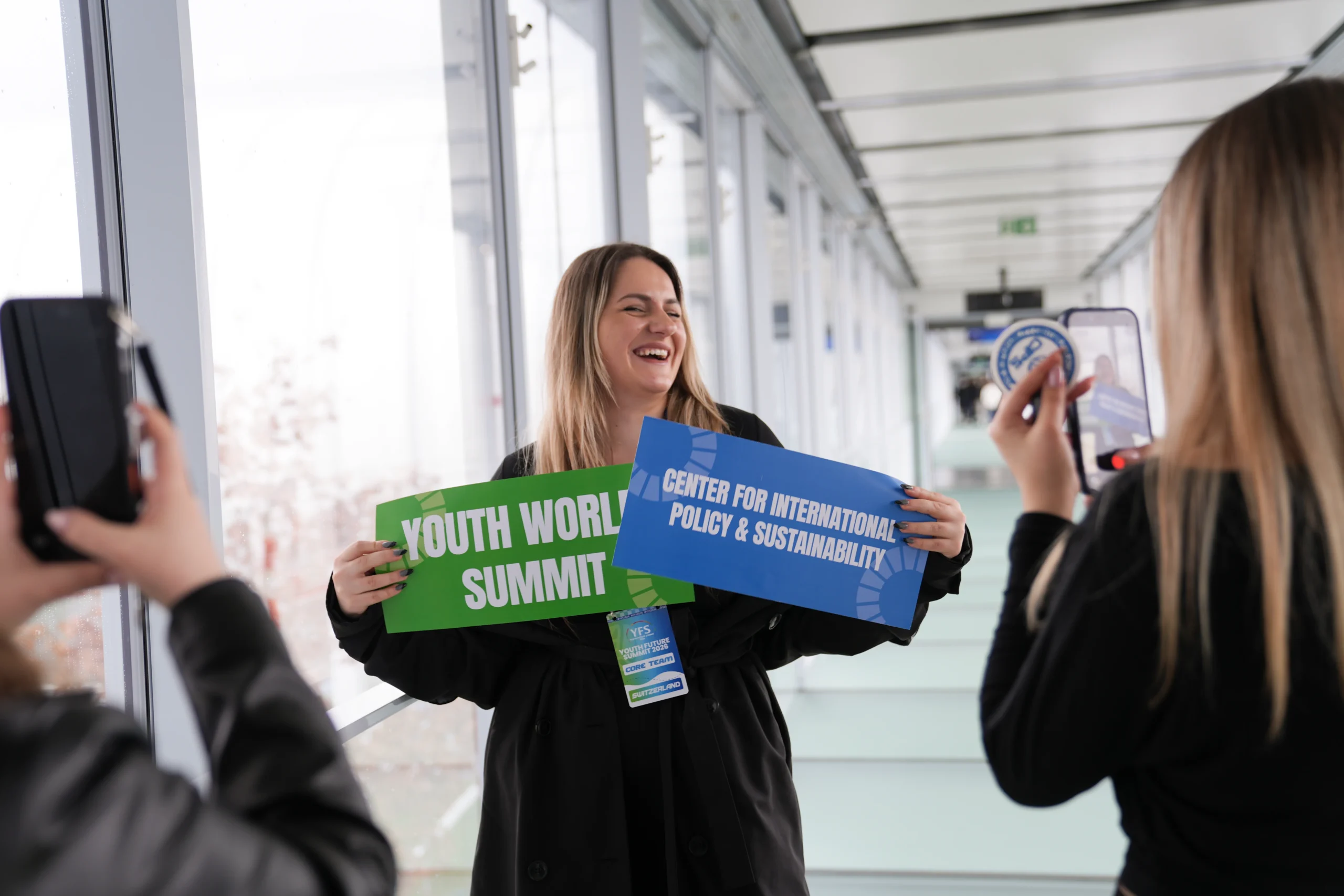
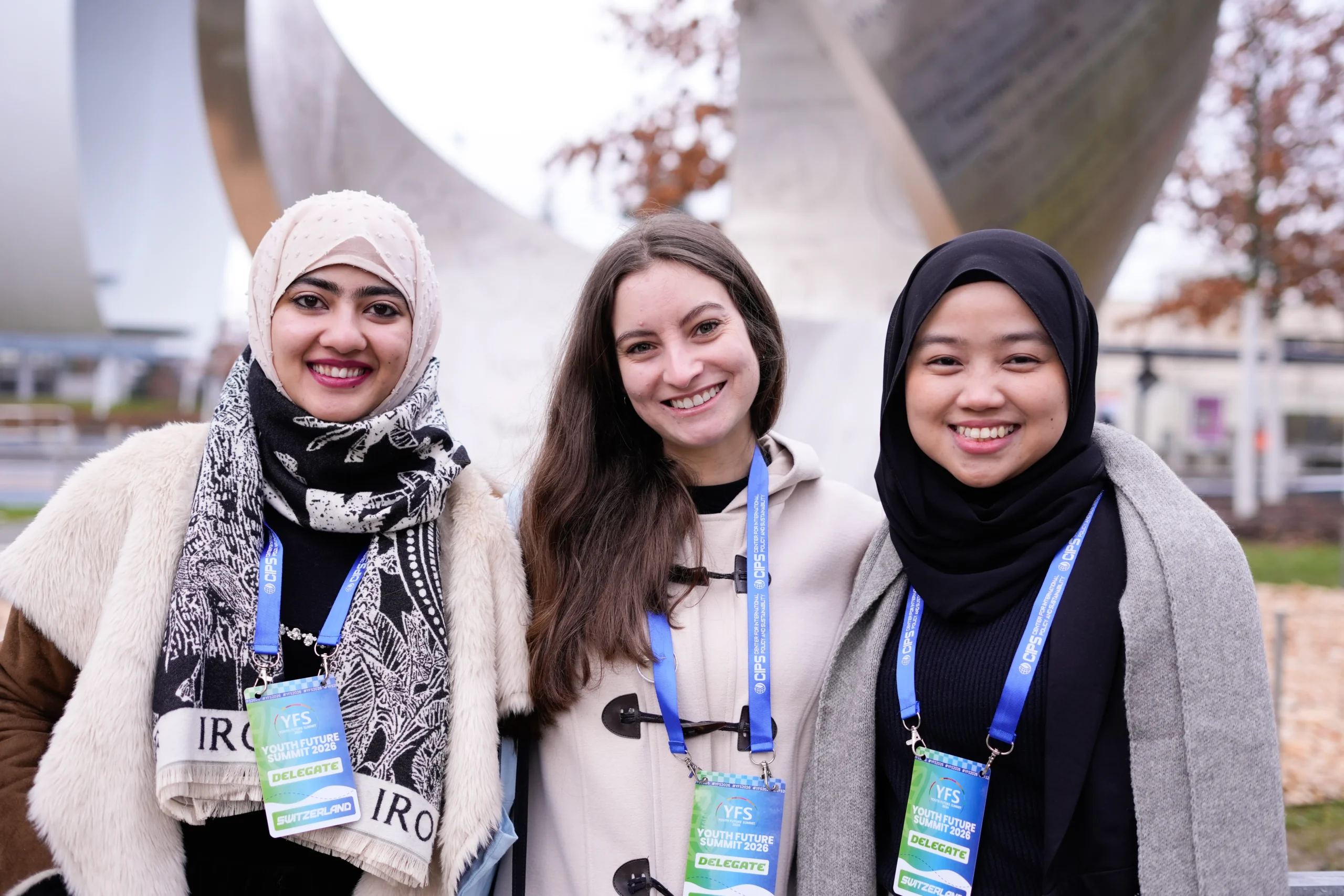
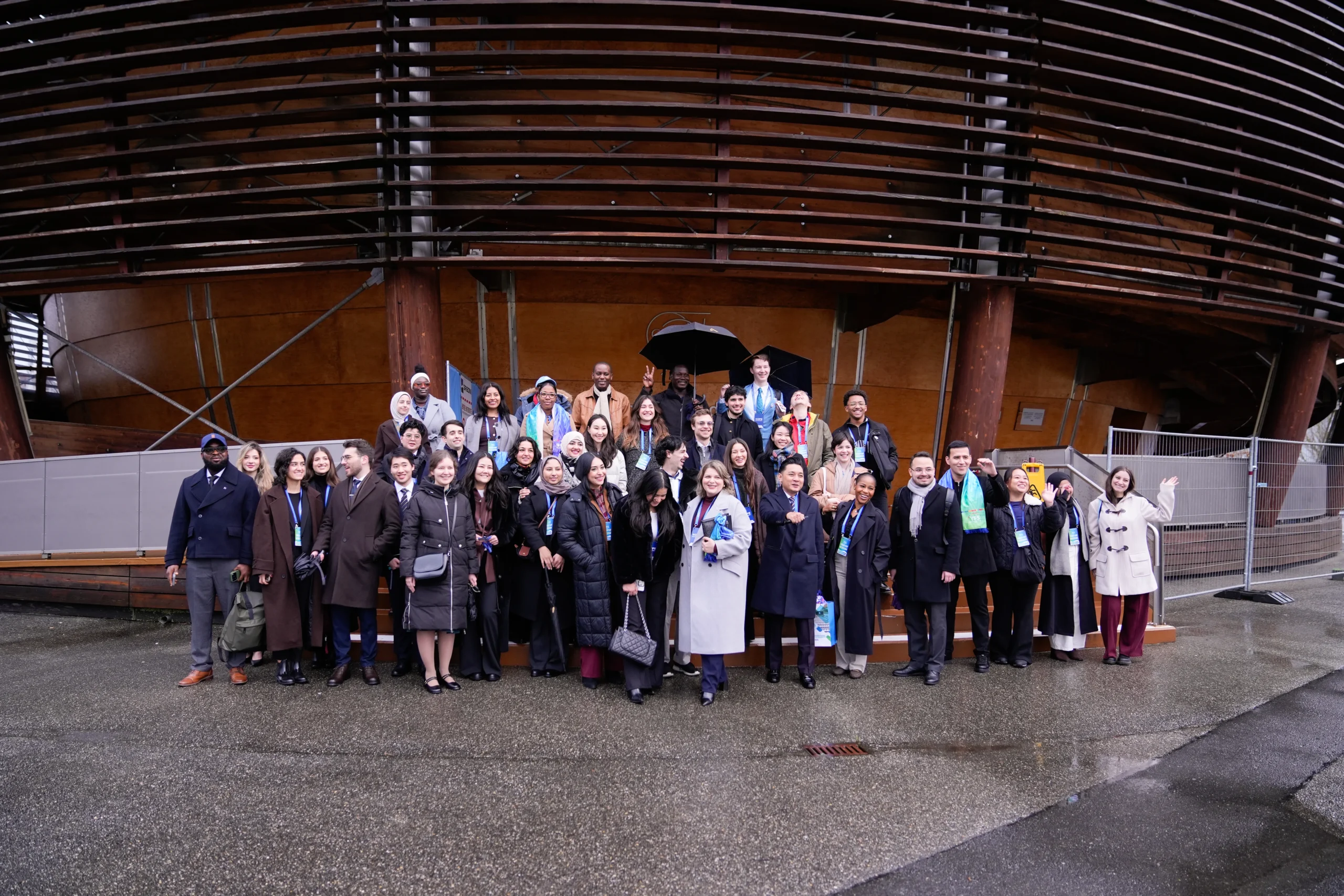
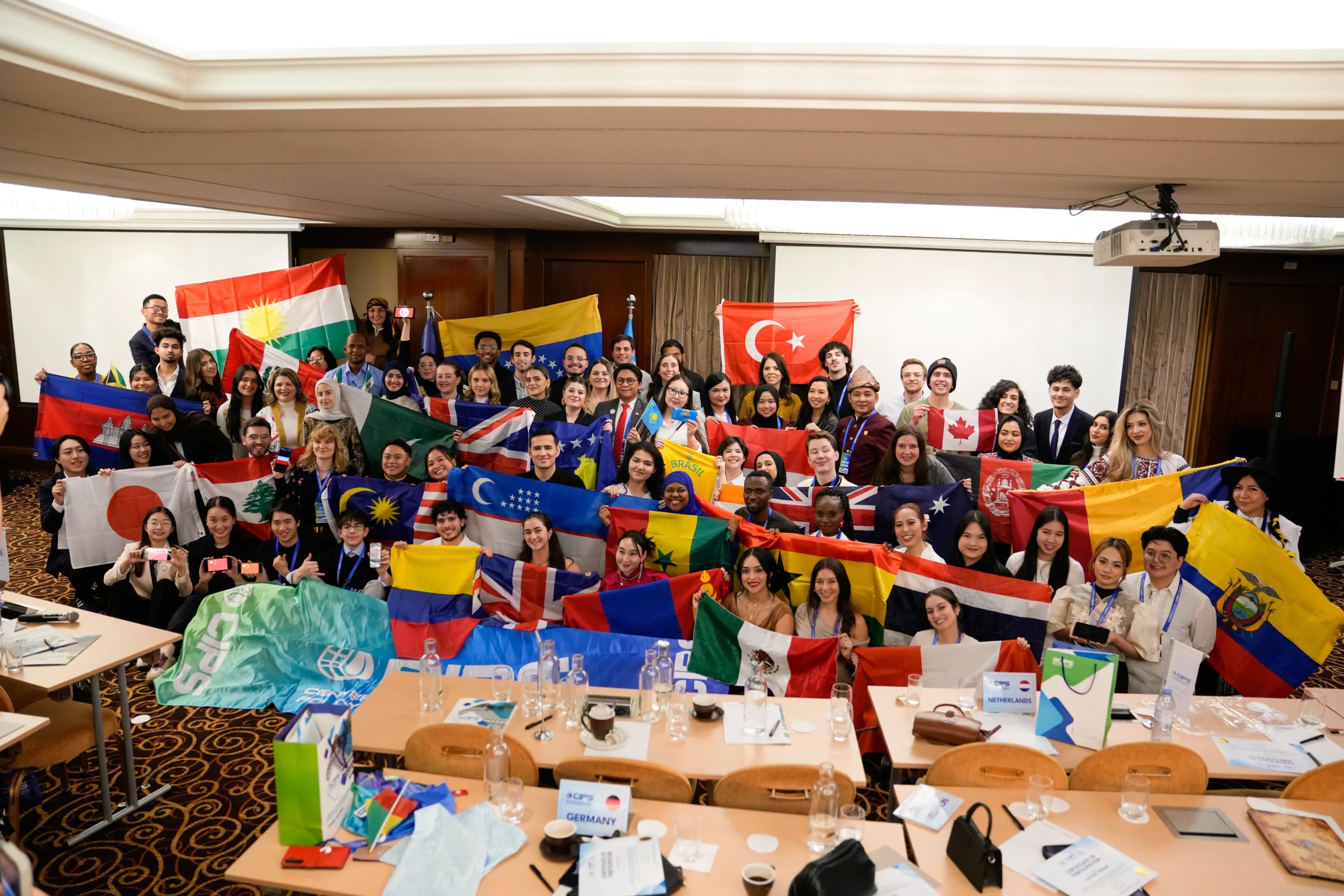
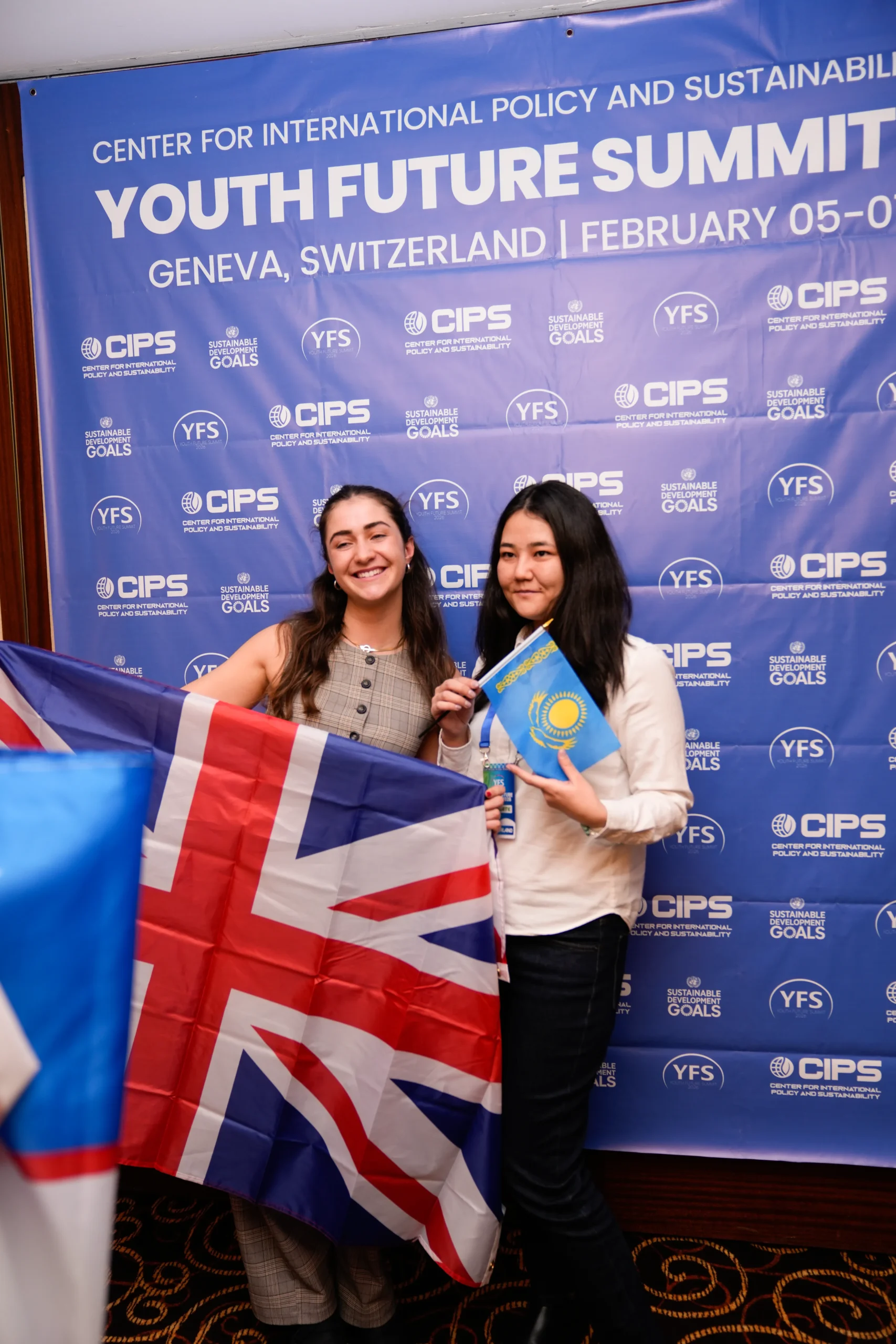
The Youth Future Summit 2026 brought together more than 100 young leaders and changemakers from across Asia, Africa, Europe, North America, South America, and Oceania for four days of dialogue, institutional exposure, and leadership development in Geneva, Switzerland.
Hosted at the Mövenpick Geneva Hotel and organized by the Center for International Policy and Sustainability (CIPS), the summit was designed to provide young people with direct engagement opportunities in one of the world’s most important diplomatic hubs. At a time marked by rapid technological change, geopolitical shifts, and uncertainty about future pathways, the summit created a structured platform for reflection, collaboration, and forward-thinking leadership.
The Youth Future Summit 2026 officially commenced with a high-level Welcome Ceremony at the Mövenpick Geneva Hotel. Delegates were formally received in an atmosphere that reflected the international and diplomatic character of the city.
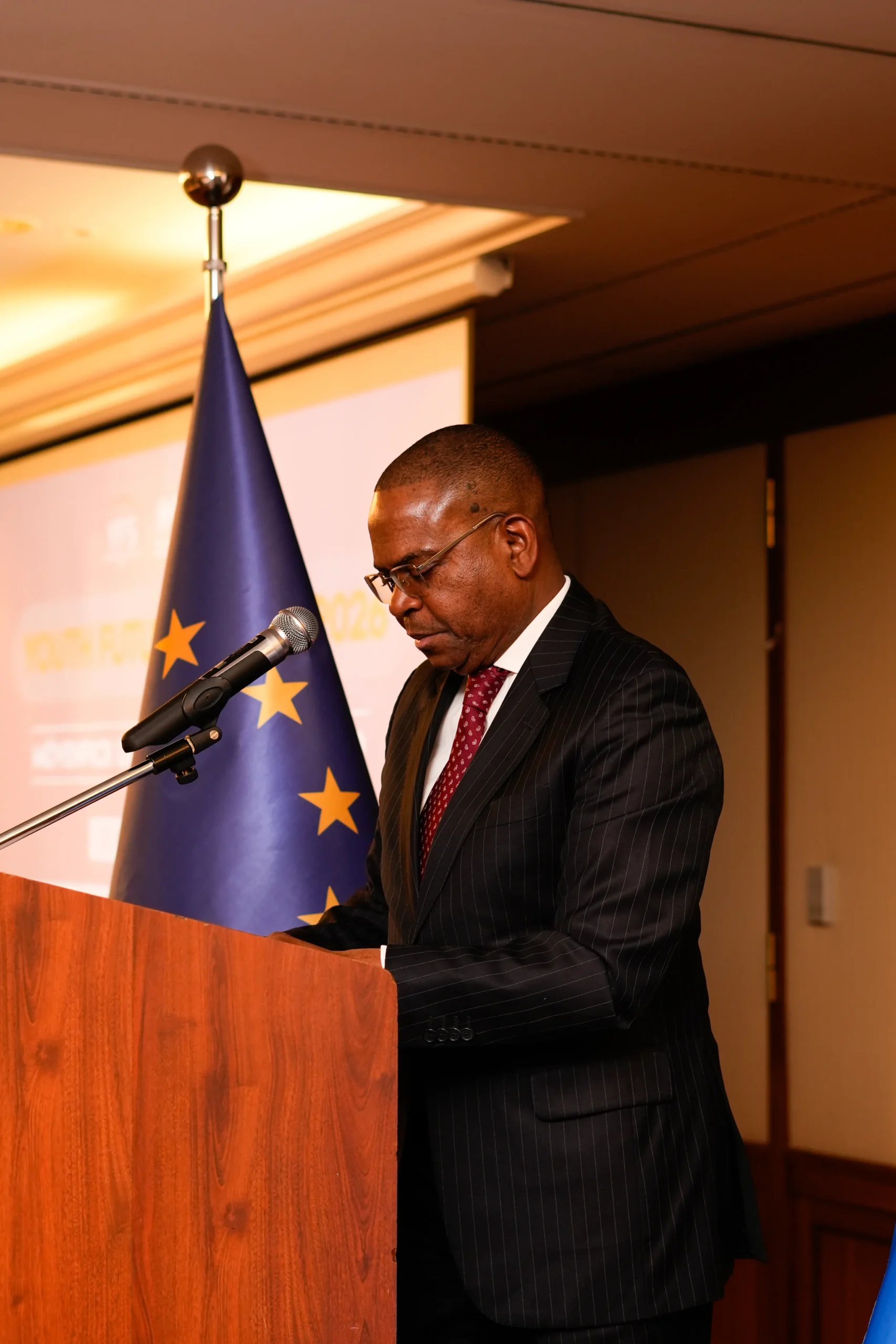
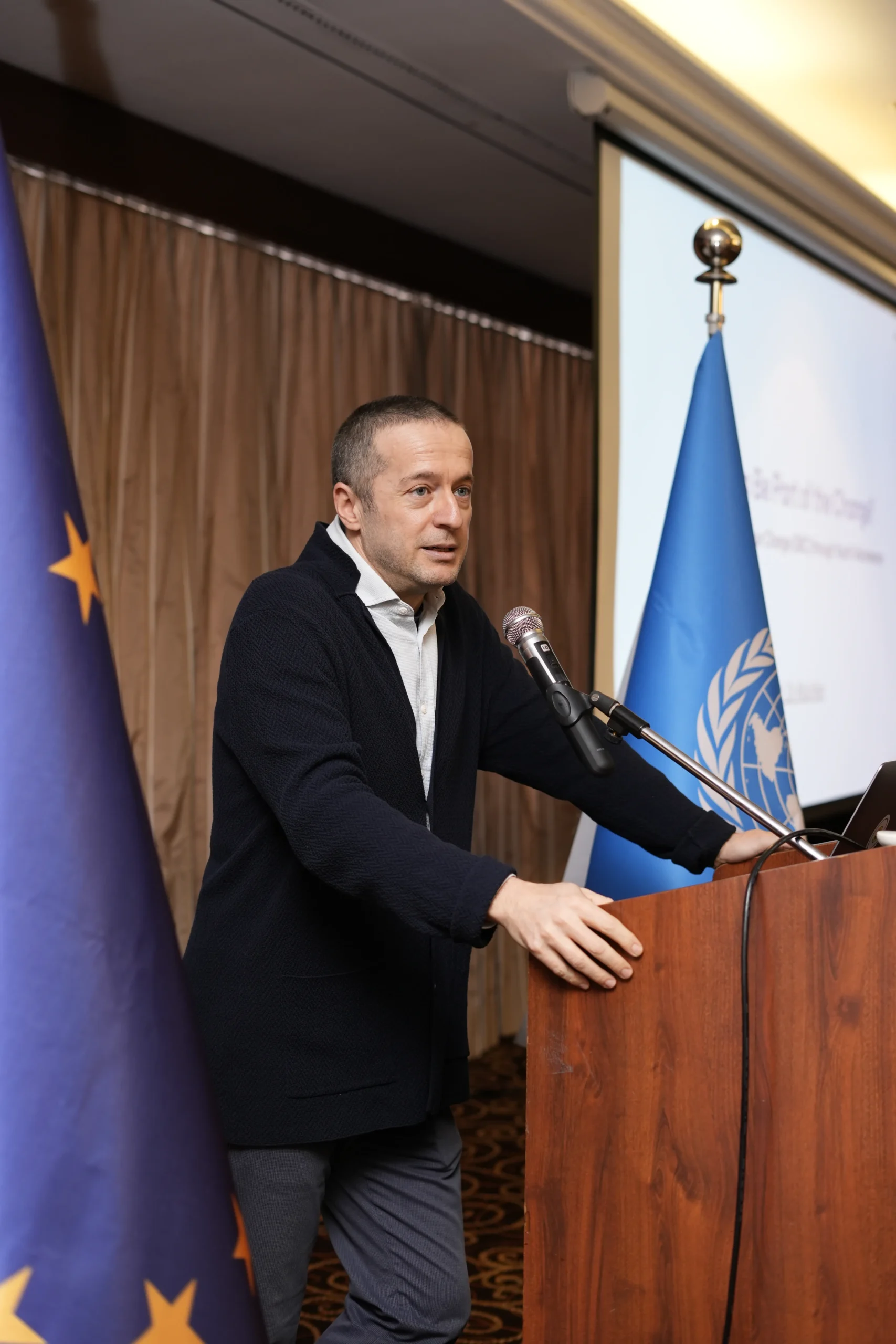
Distinguished diplomats and policy practitioners delivered keynote addresses that emphasized the importance of youth engagement in global processes, leadership development in uncertain times, and the responsibility of the next generation in shaping inclusive and sustainable systems. The ceremony was hosted by Master of Ceremony Silia Taider, whose guidance ensured a dynamic and engaging opening session.
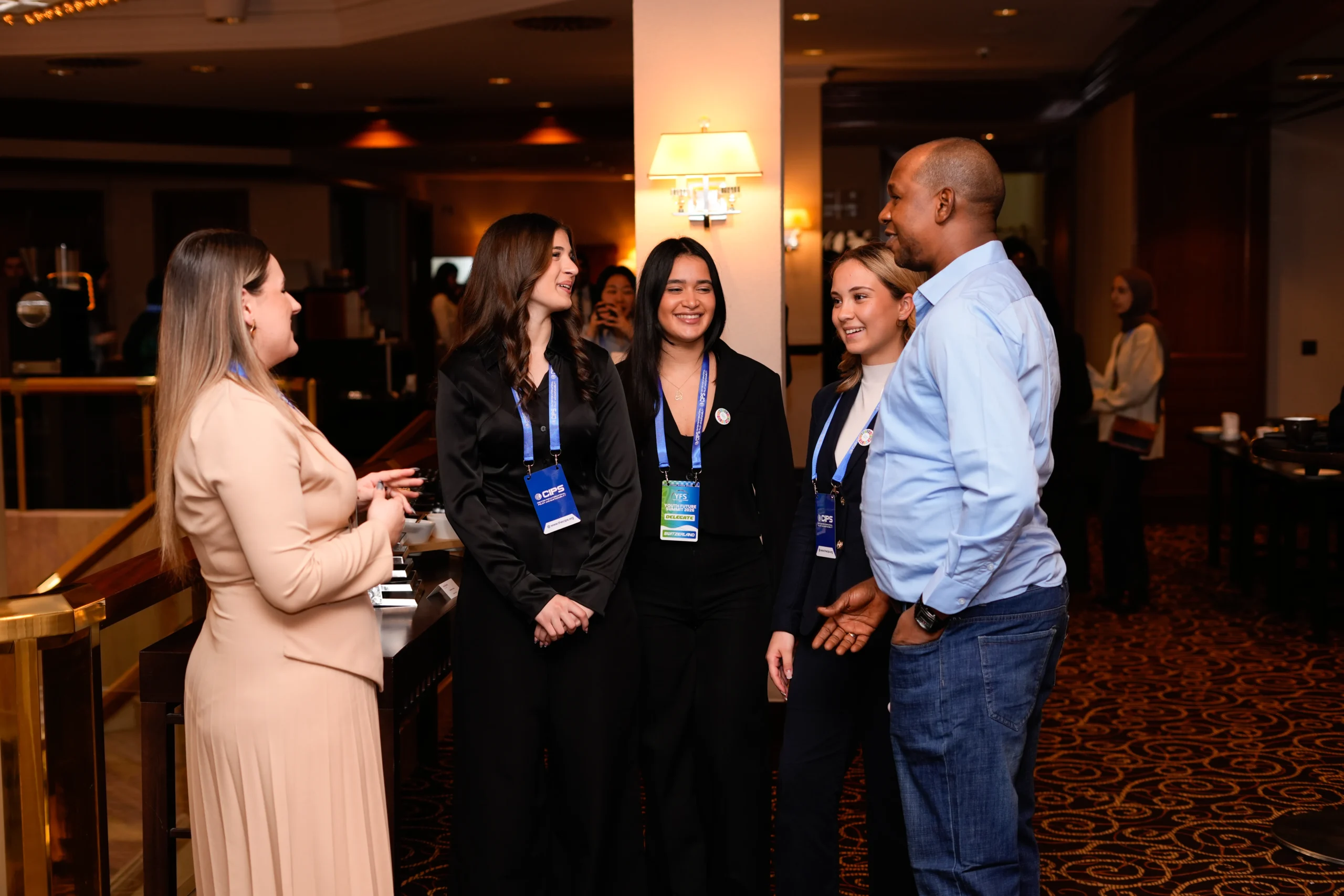
The evening concluded with an official welcome dinner at the hotel, offering delegates an opportunity to connect informally, exchange introductions, and begin building cross-border relationships that would continue throughout the summit.
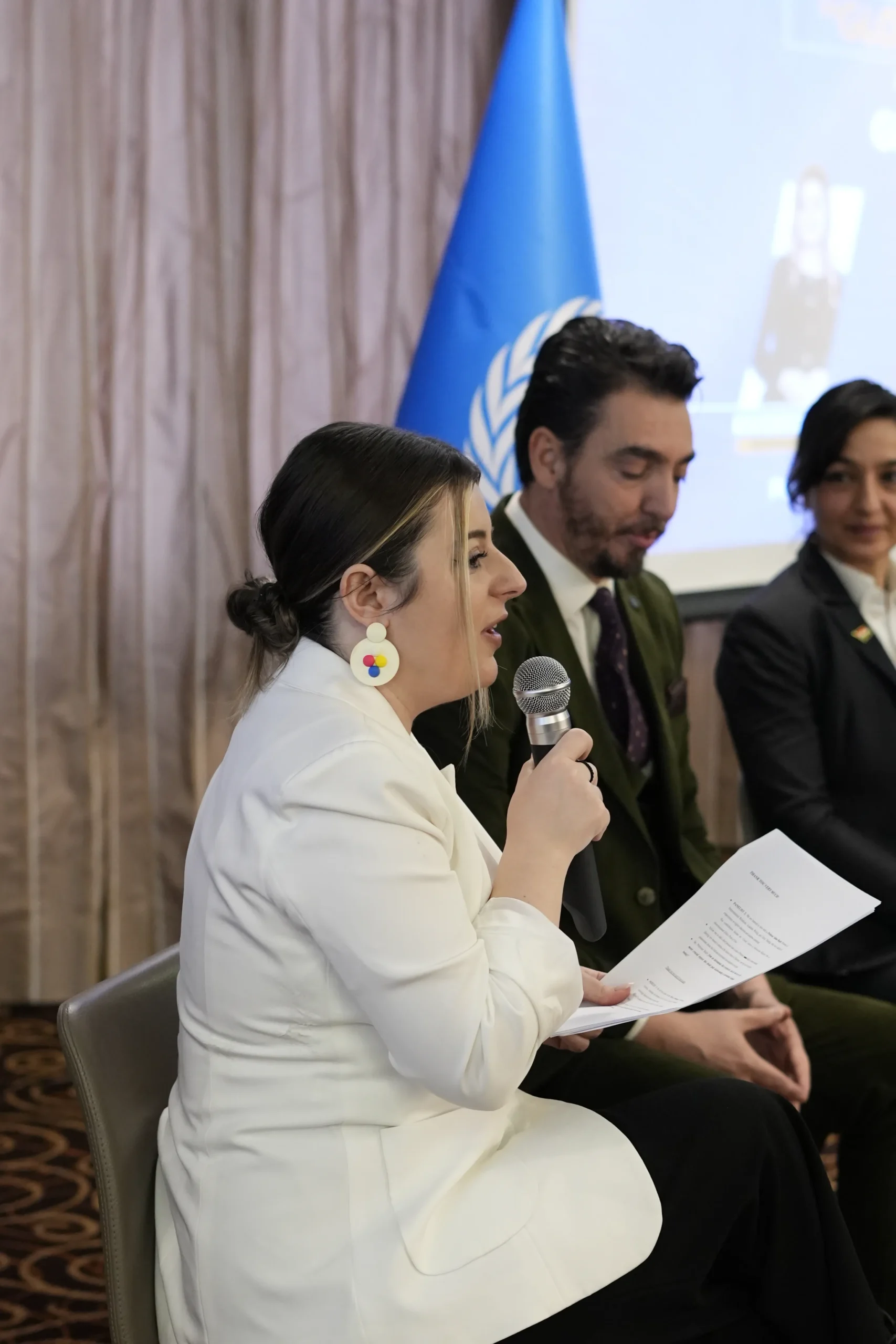
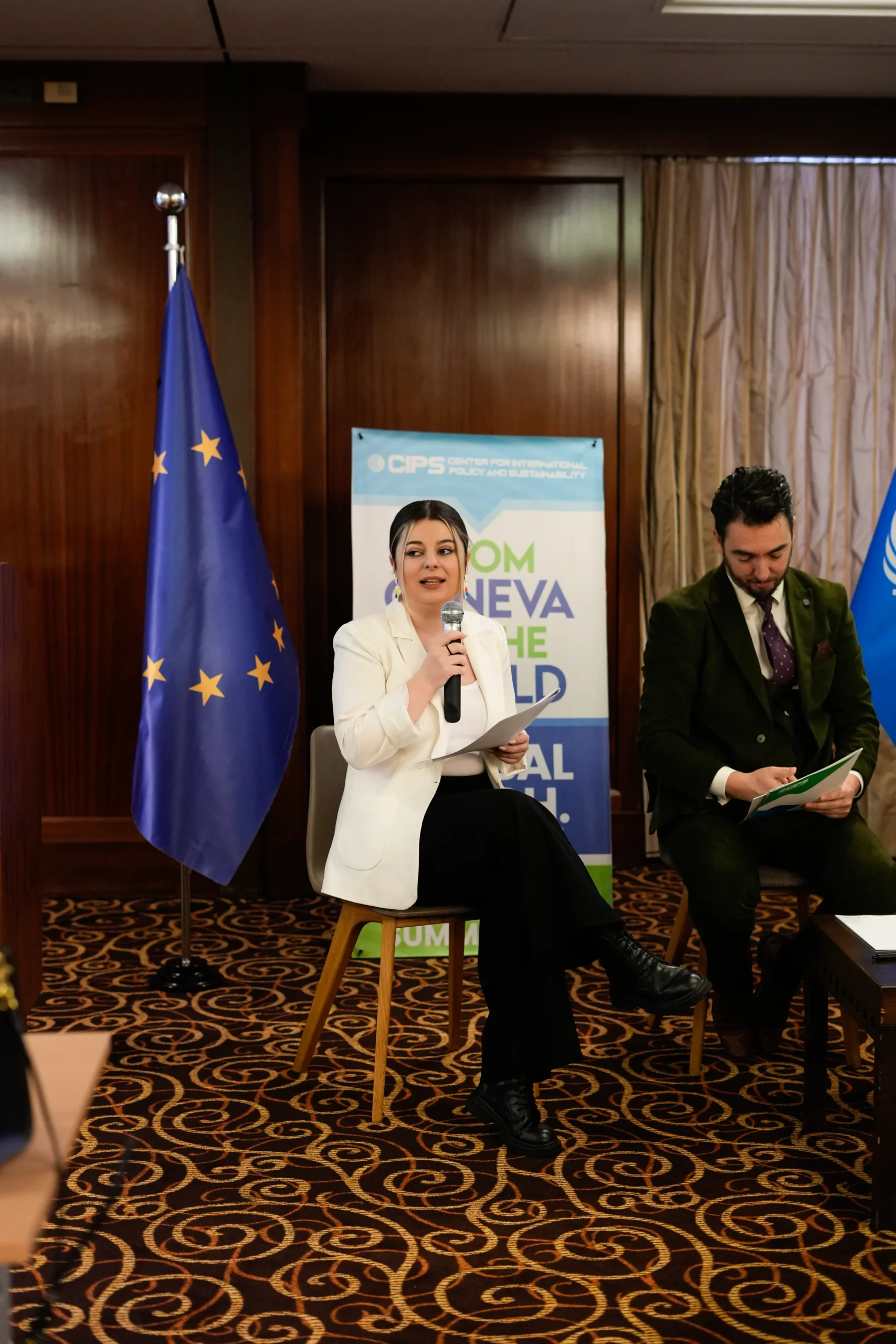
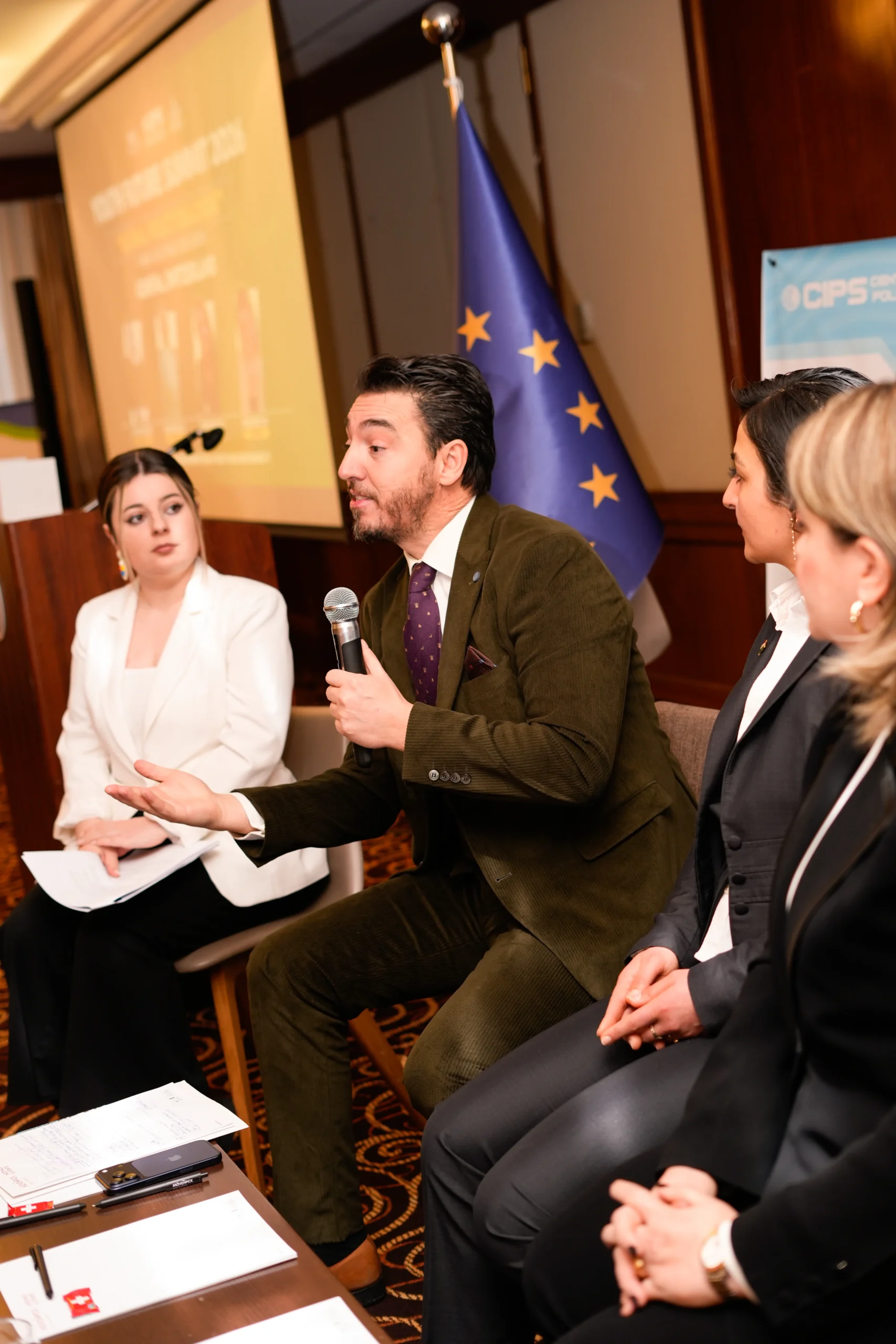
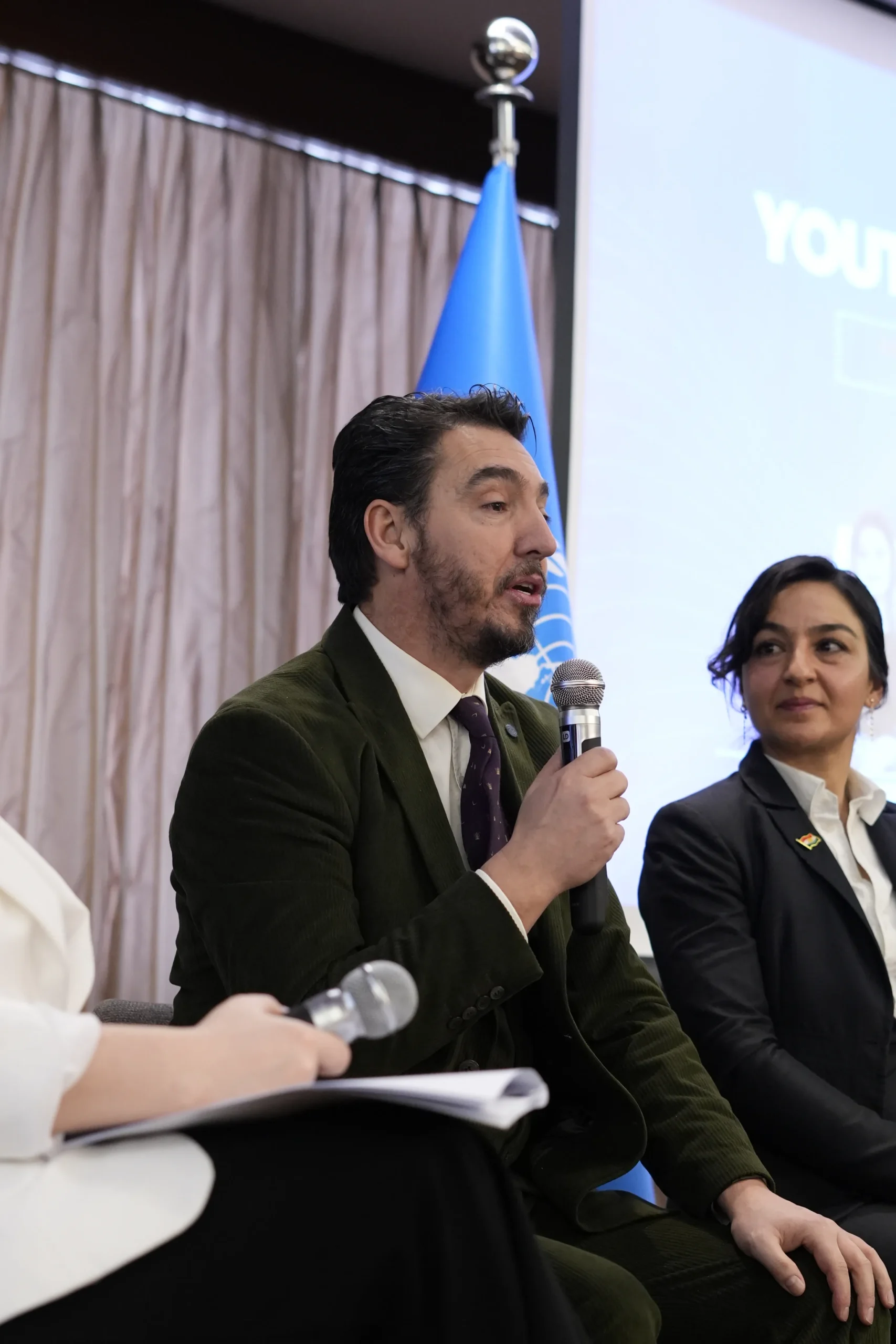
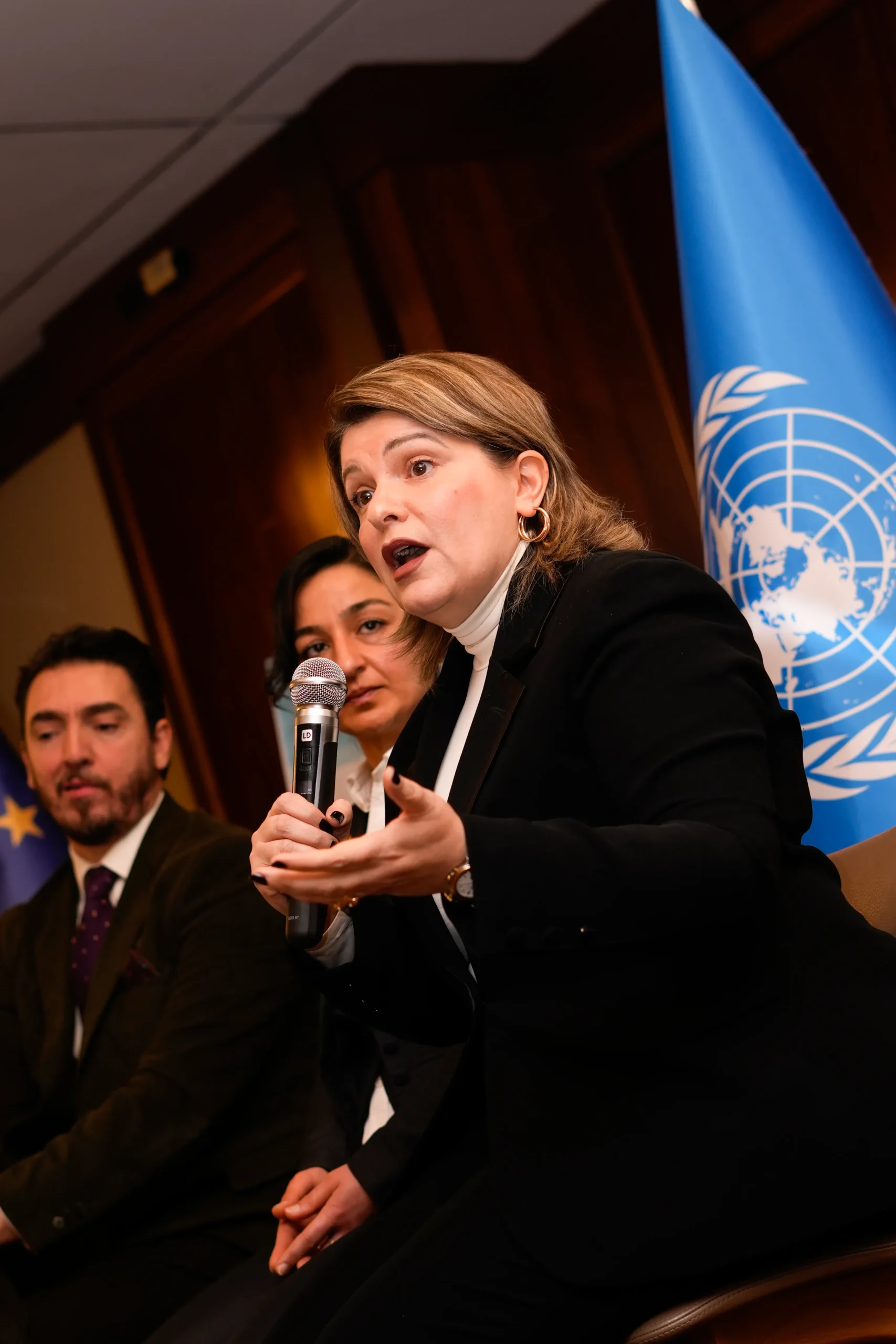
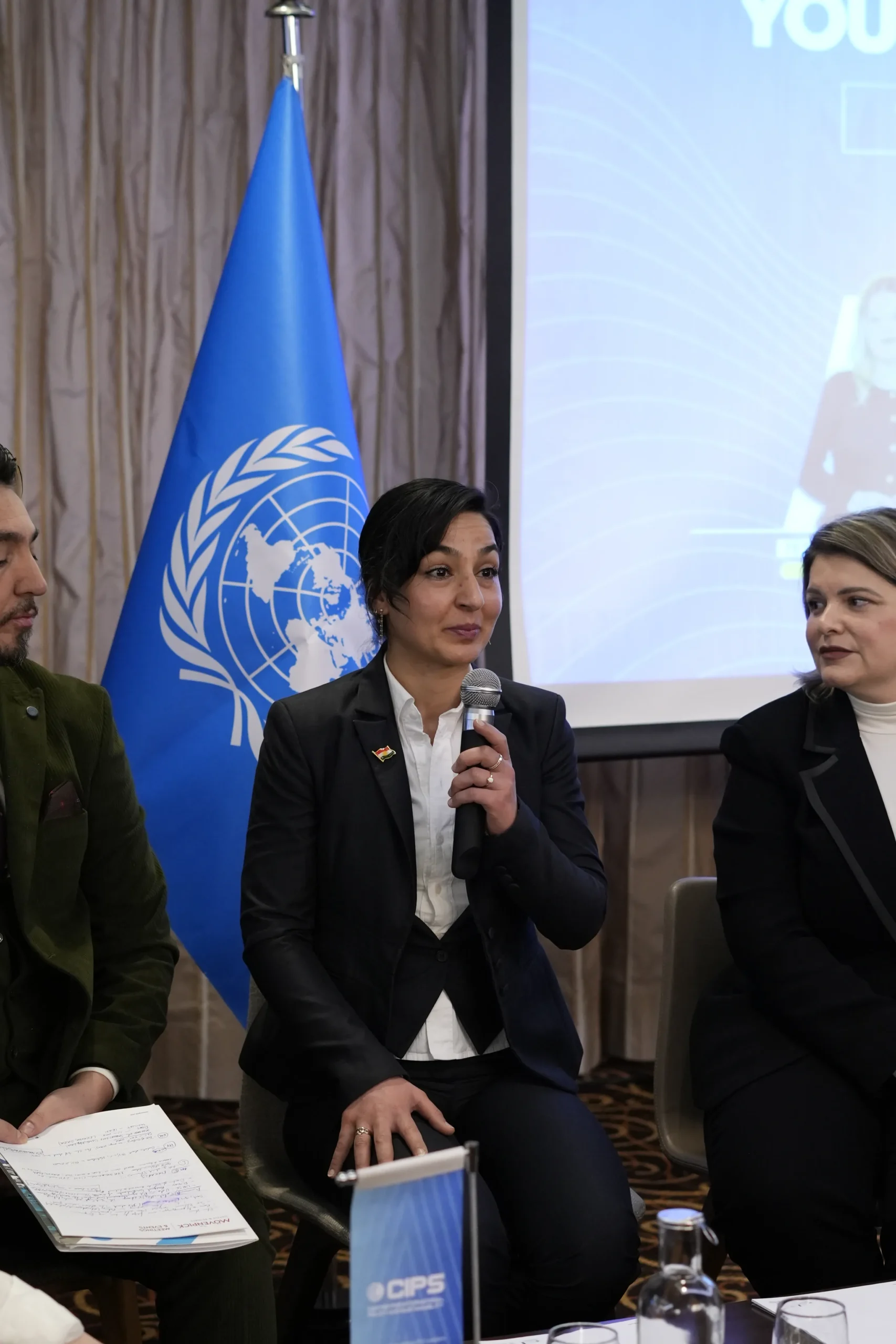
A central highlight of the summit was a high-level panel discussion addressing the global implications of artificial intelligence, ethics, and governance.
The panel was moderated by Festina Kurteshi, who guided a dynamic and thought-provoking exchange between distinguished speakers Prof. Adnan Beqiri, Dr. Christine Arzoumanian, and Özgül Özge Şakar.
The discussion explored critical themes including human rights in the digital era, the ethics of war and emerging defense technologies, AI innovation and accountability, and the evolving responsibilities of global governance institutions in regulating advanced technologies. Each speaker brought a distinct perspective — from academic research to institutional practice — offering delegates a multidimensional understanding of how artificial intelligence is reshaping policy, security, and society.
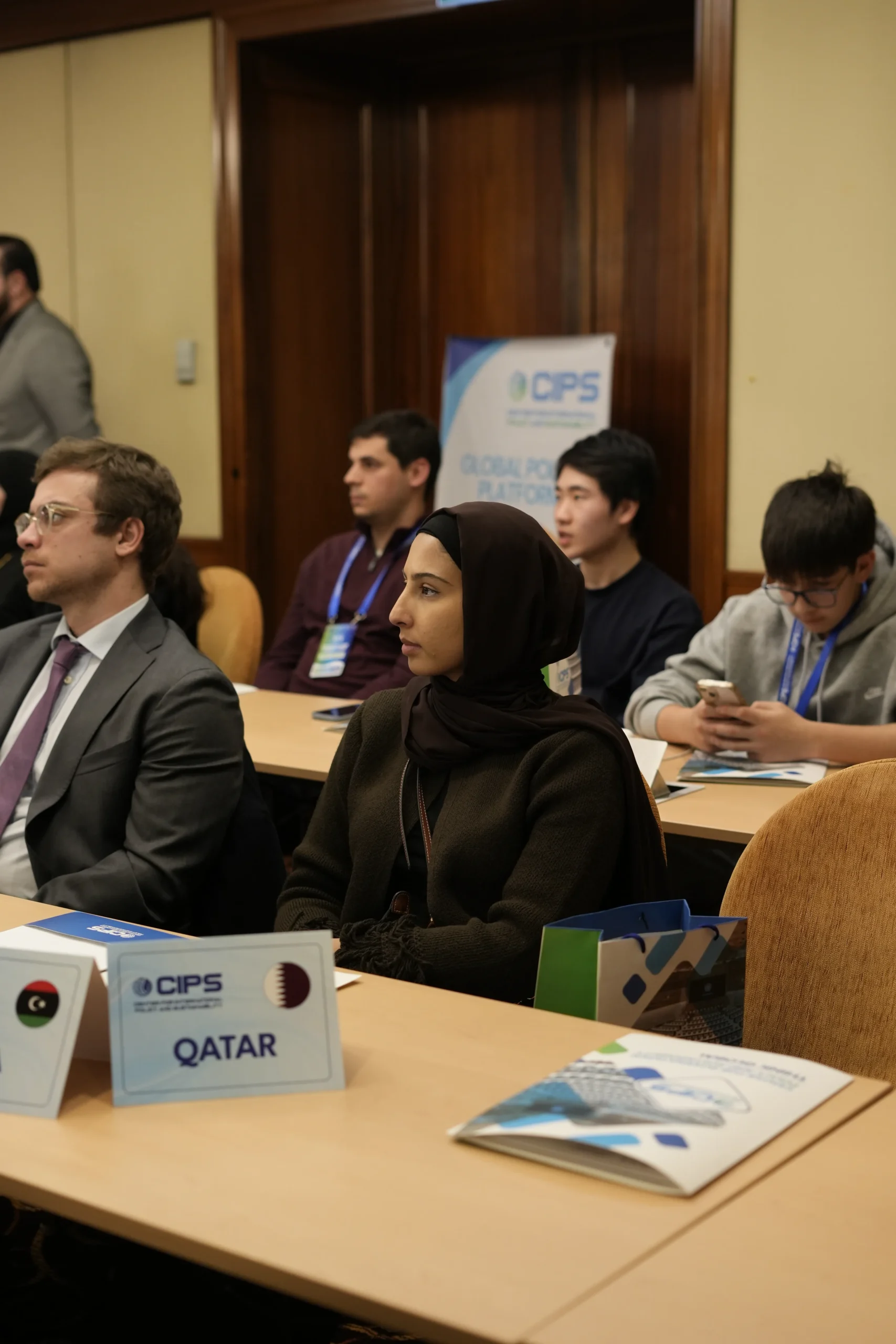
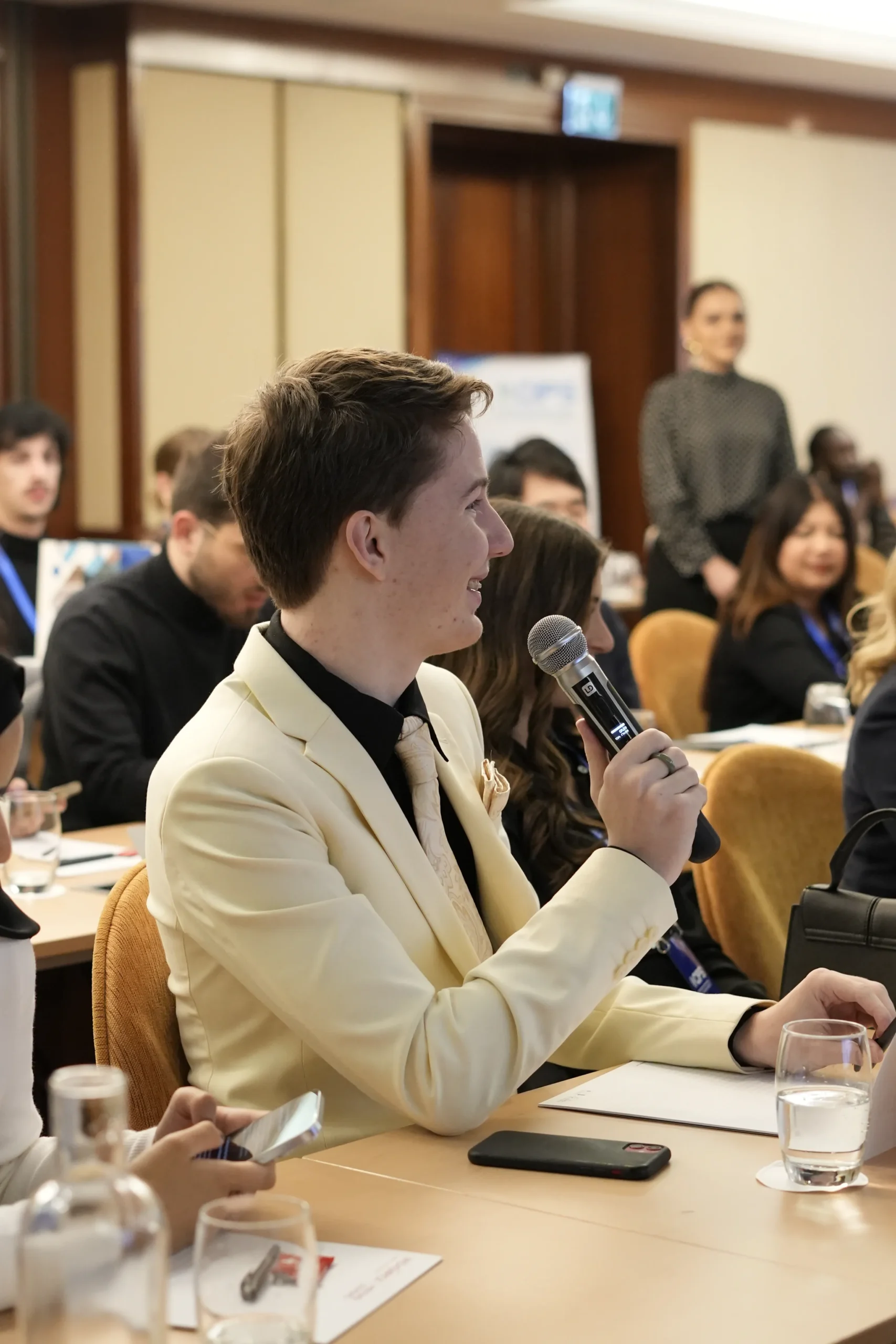
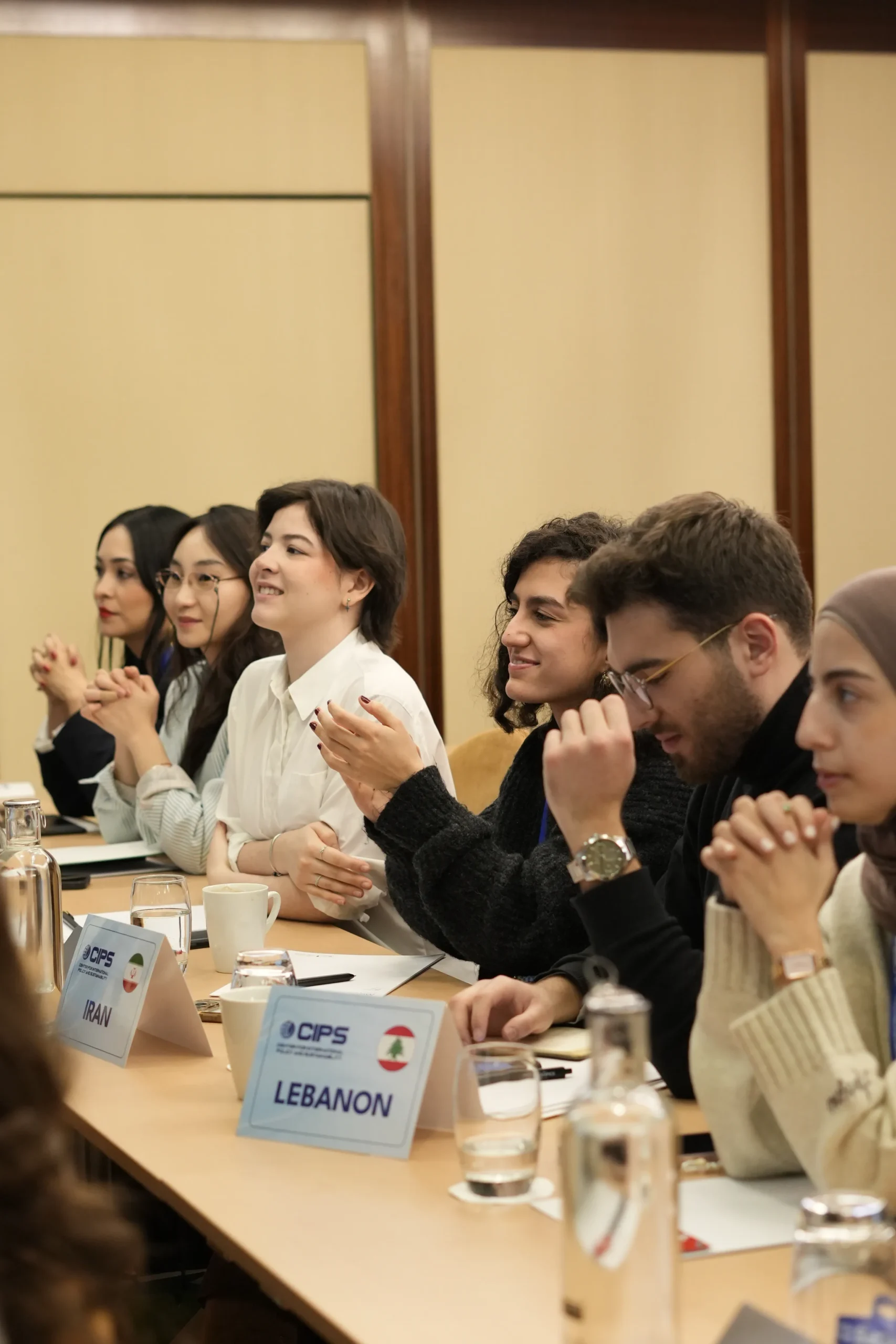
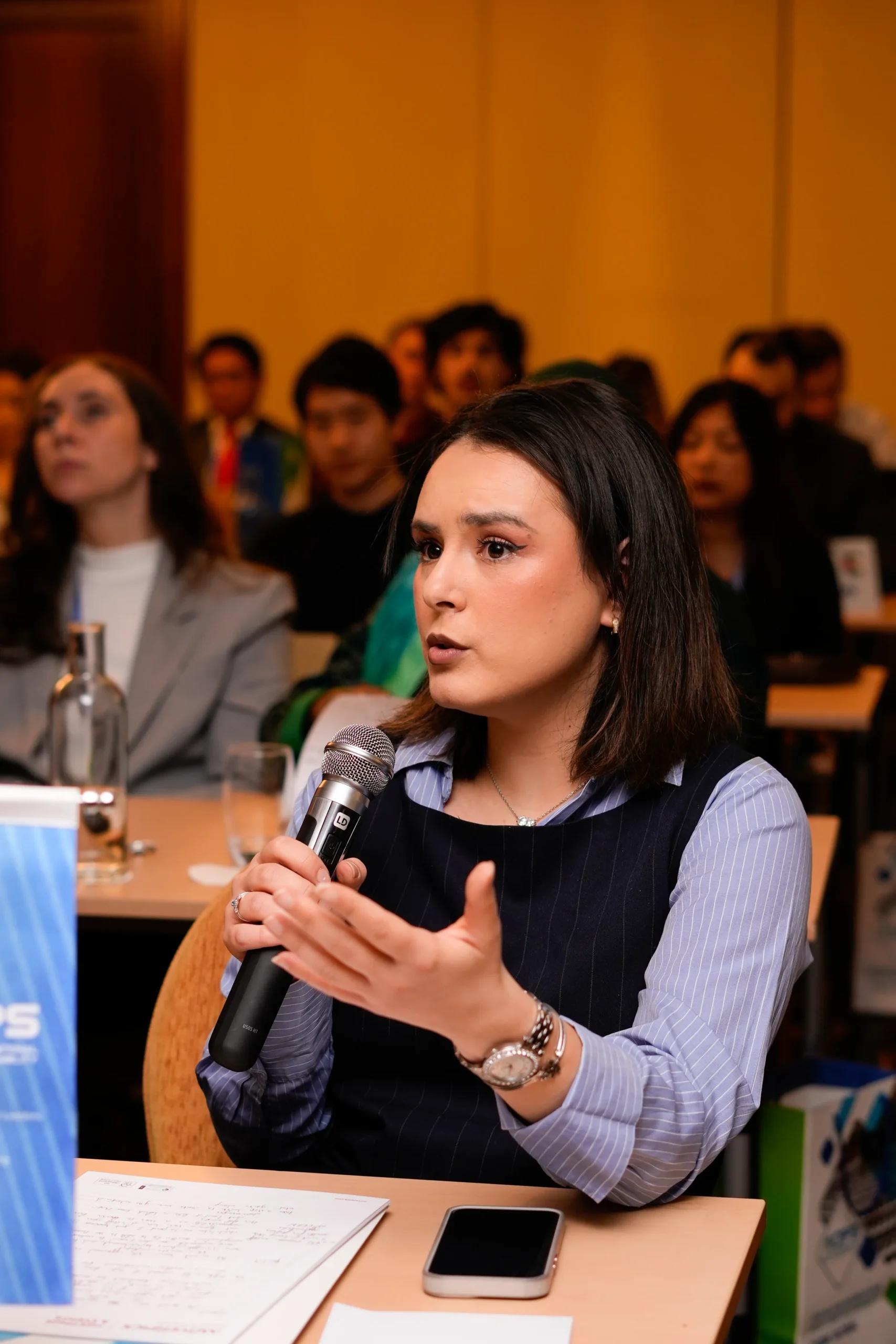
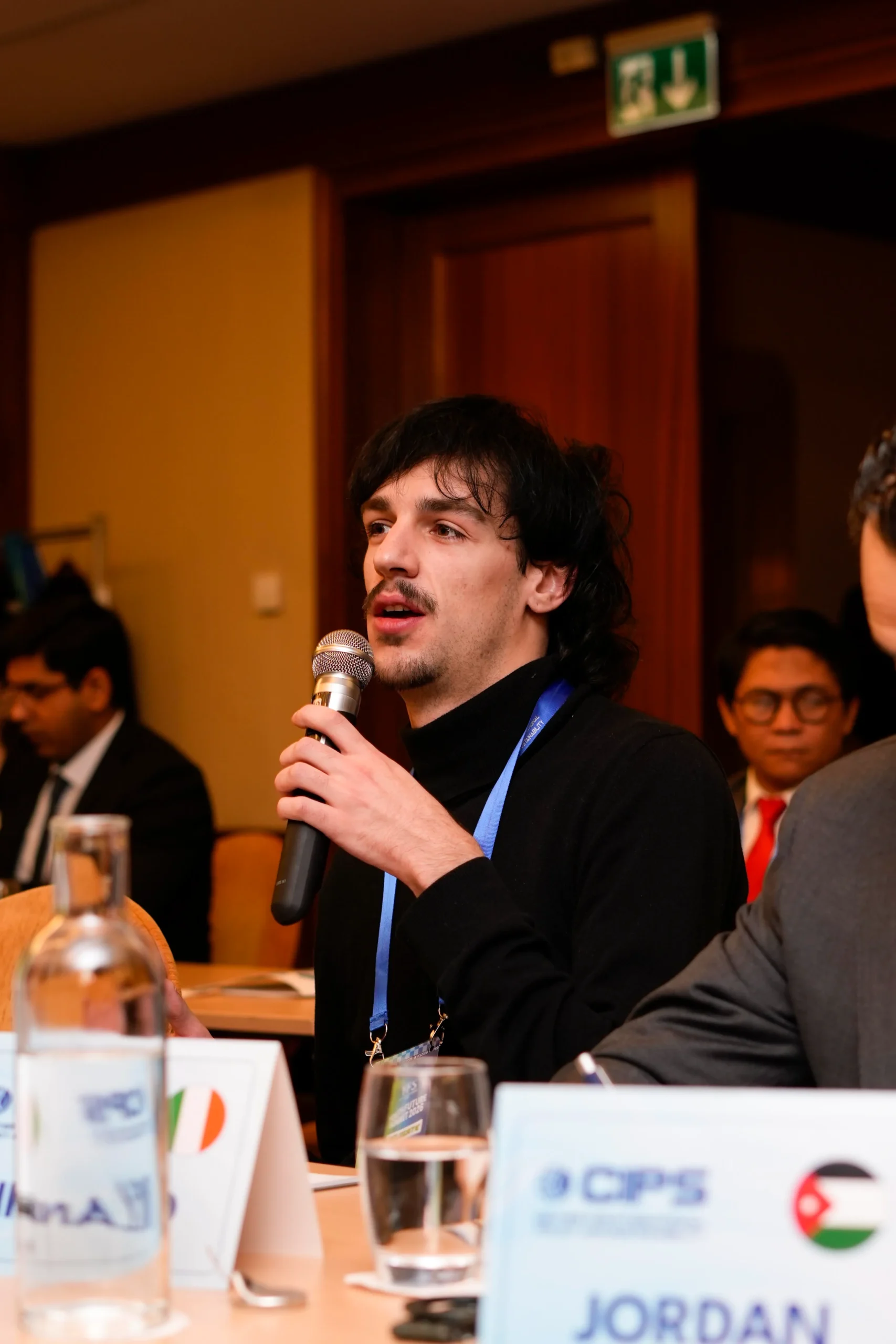
Delegates actively engaged in dialogue, raising questions and reflecting on the long-term implications of technological transformation. The session encouraged analytical thinking, ethical reflection, and responsible leadership in a rapidly evolving global environment.
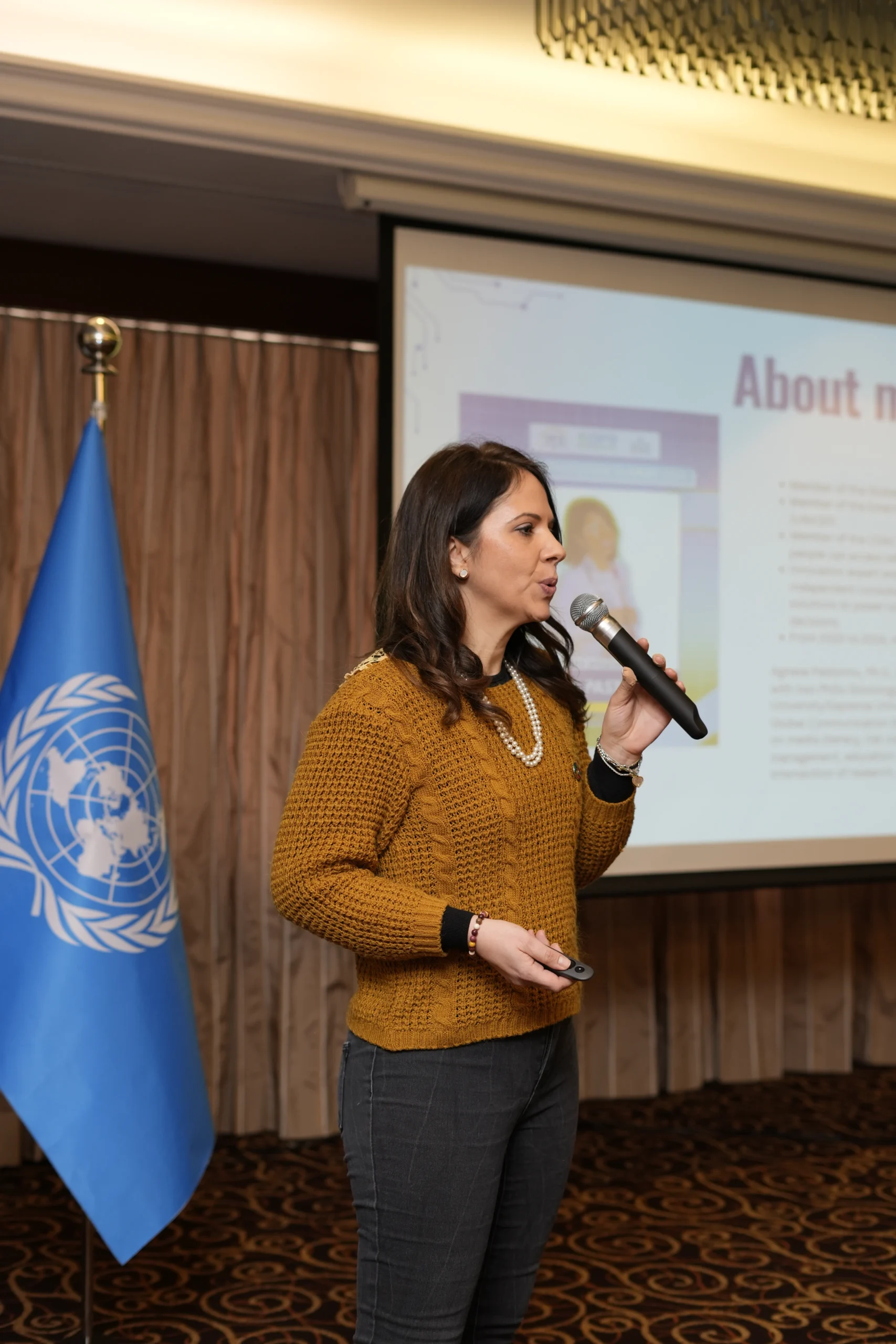
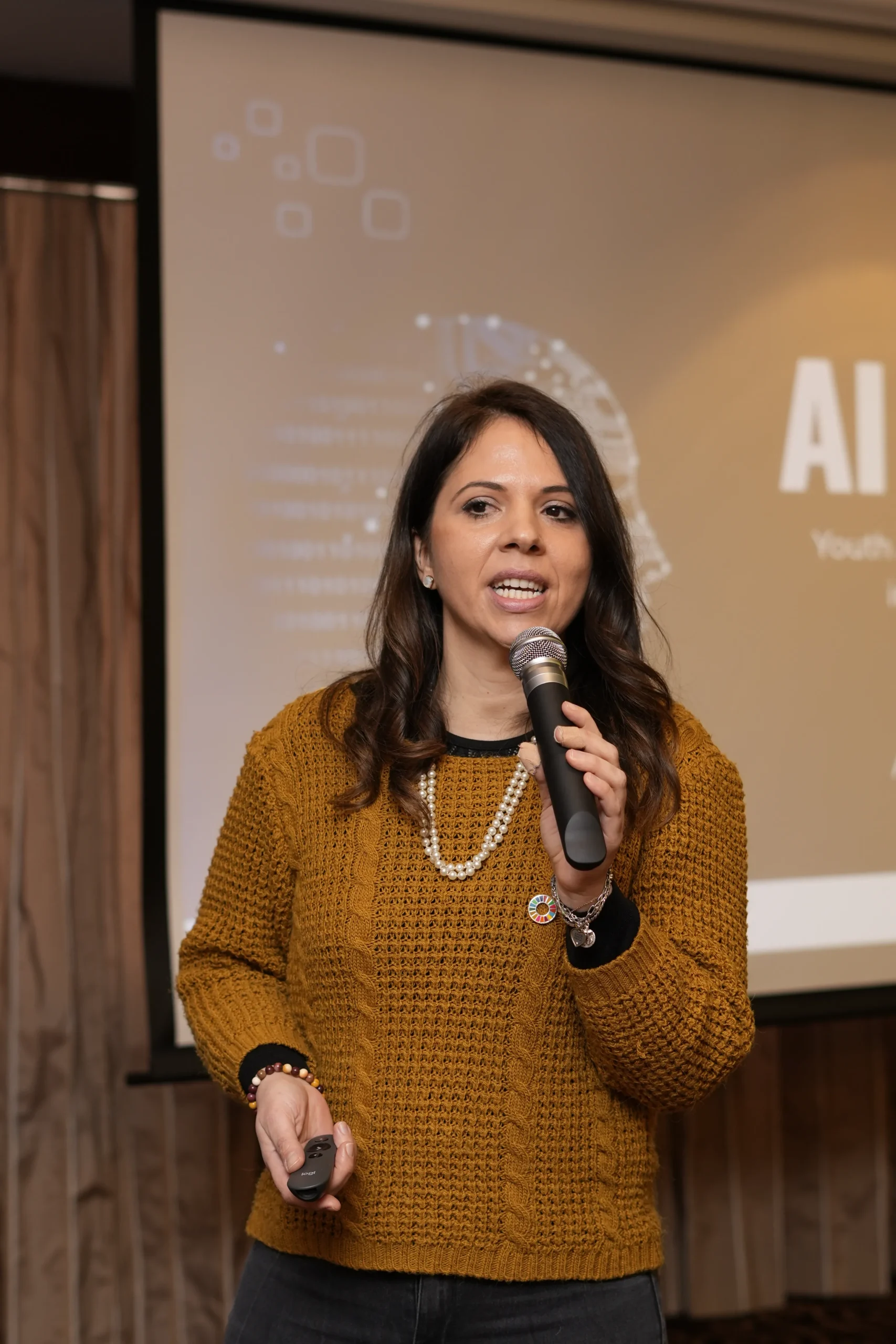
Led by Agnese Pastorino, Ph.D., this interactive workshop focused on strengthening digital awareness and critical engagement with artificial intelligence.
Participants explored how AI influences public discourse, decision-making systems, and information ecosystems in increasingly polarized digital environments. The session emphasized youth agency — encouraging delegates to move beyond passive consumption of technology toward informed, ethical participation in digital spaces.
Through discussion-based learning and applied reflection, delegates enhanced their understanding of digital responsibility, innovation ethics, and leadership in technology-driven societies.
Facilitated by Prof. Altug Akin, this workshop examined youth volunteerism as a strategic instrument for social and behavioural transformation.
Delegates discussed how structured volunteer engagement can influence public attitudes, strengthen community resilience, and generate sustainable change. The session framed volunteerism not simply as service, but as a leadership pathway that empowers young people to influence systems at local, national, and global levels.
Through practical dialogue and shared experiences, participants reflected on how small, consistent actions can contribute to larger societal shifts.
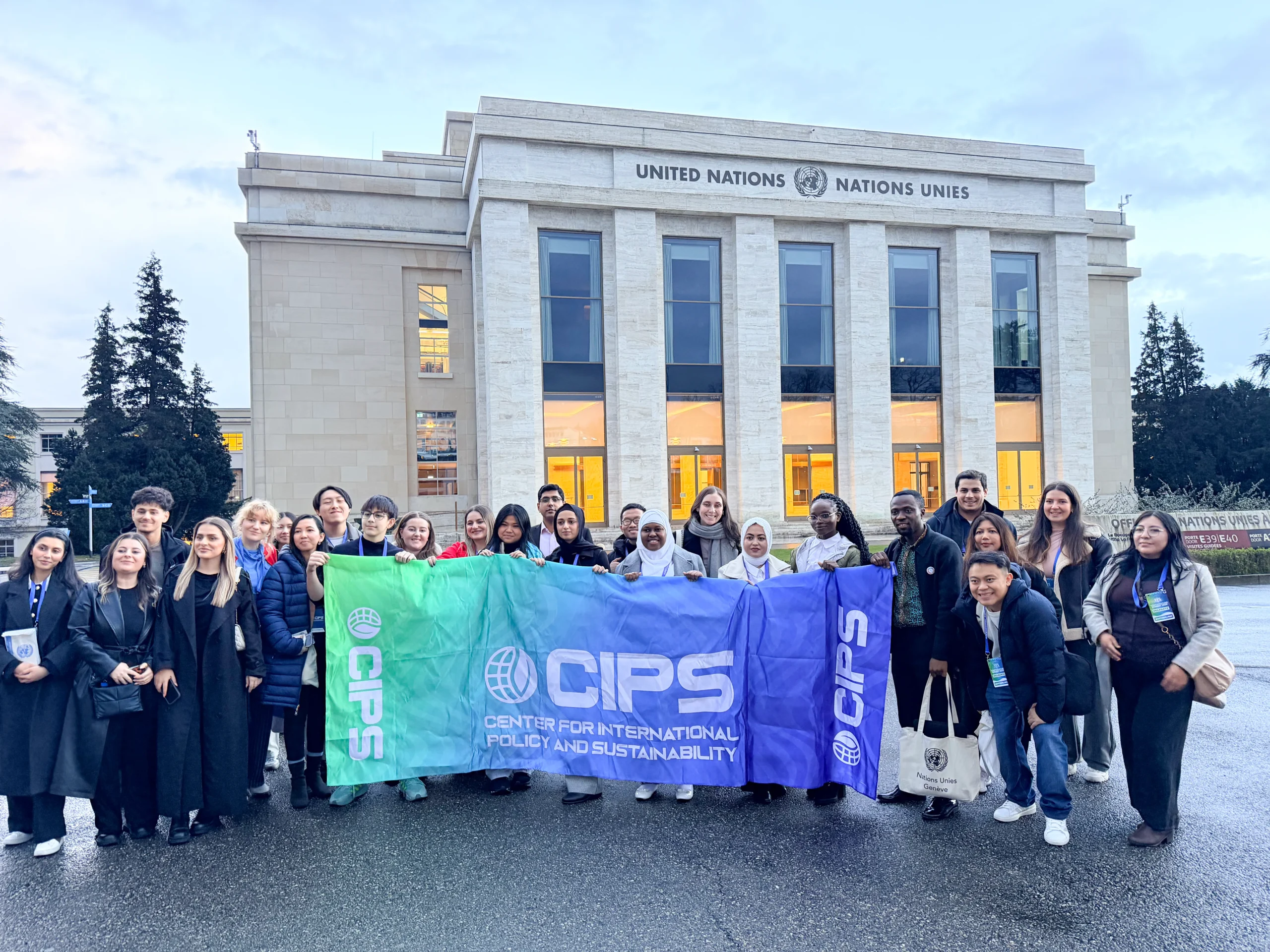
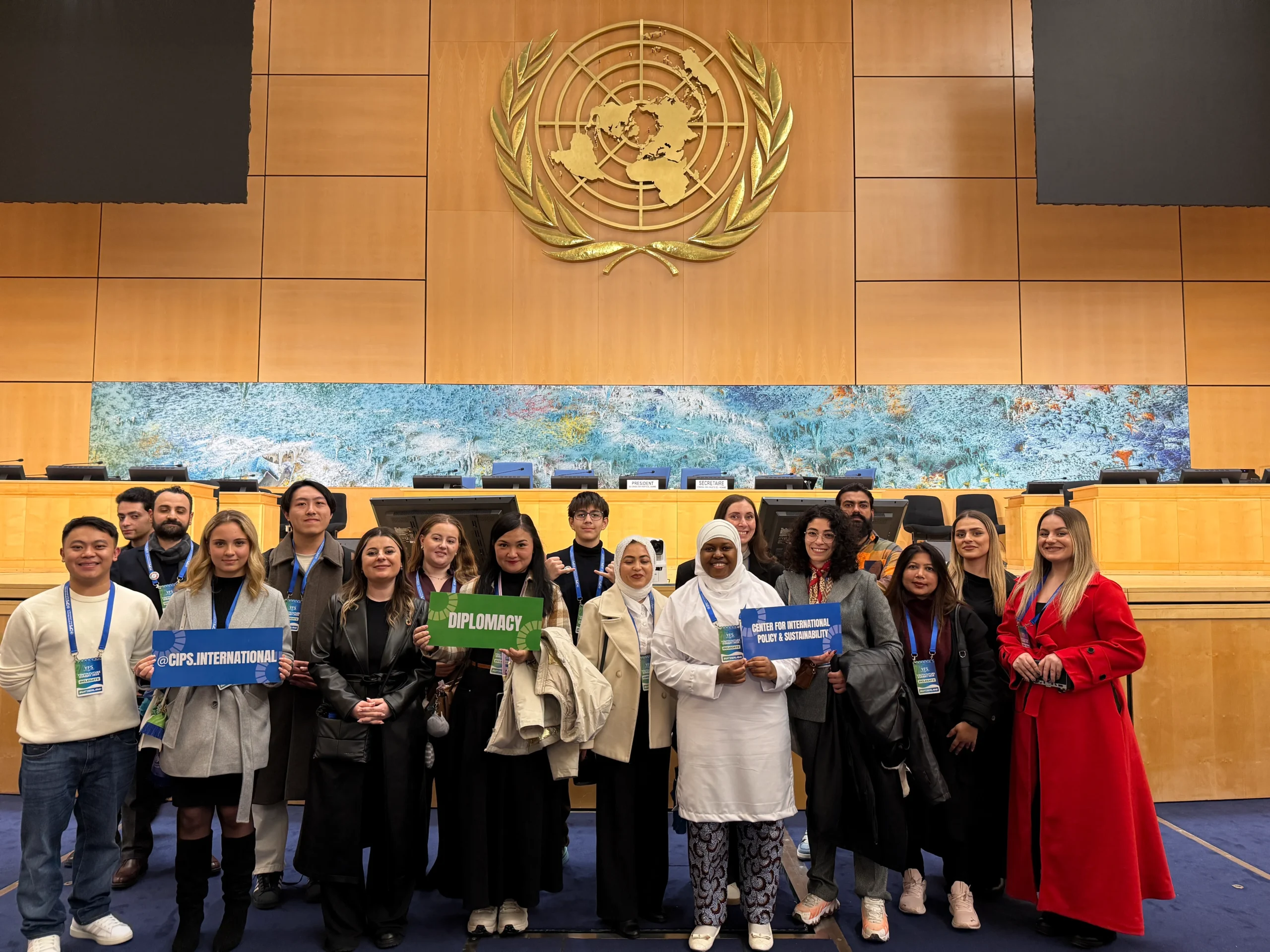
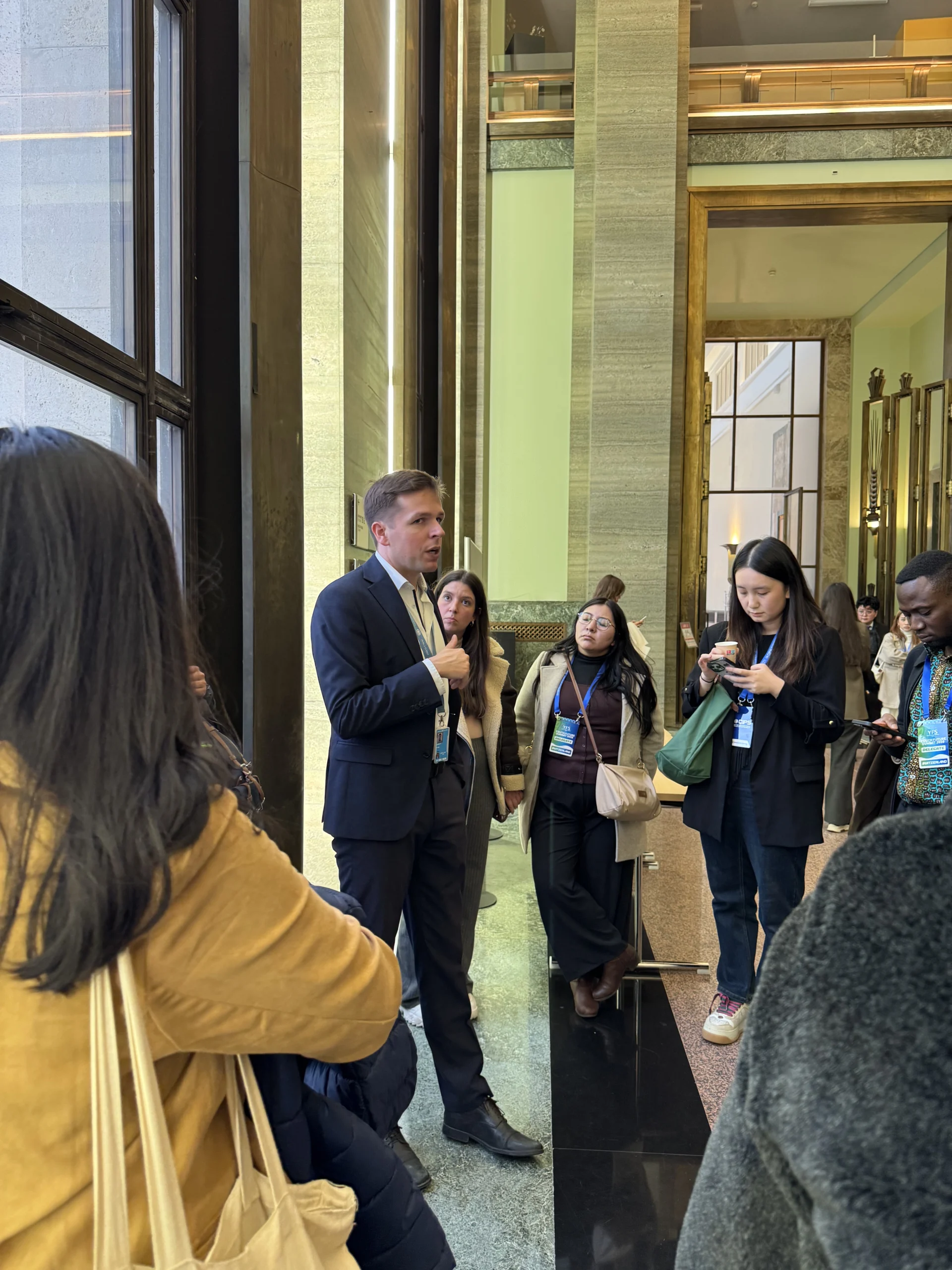
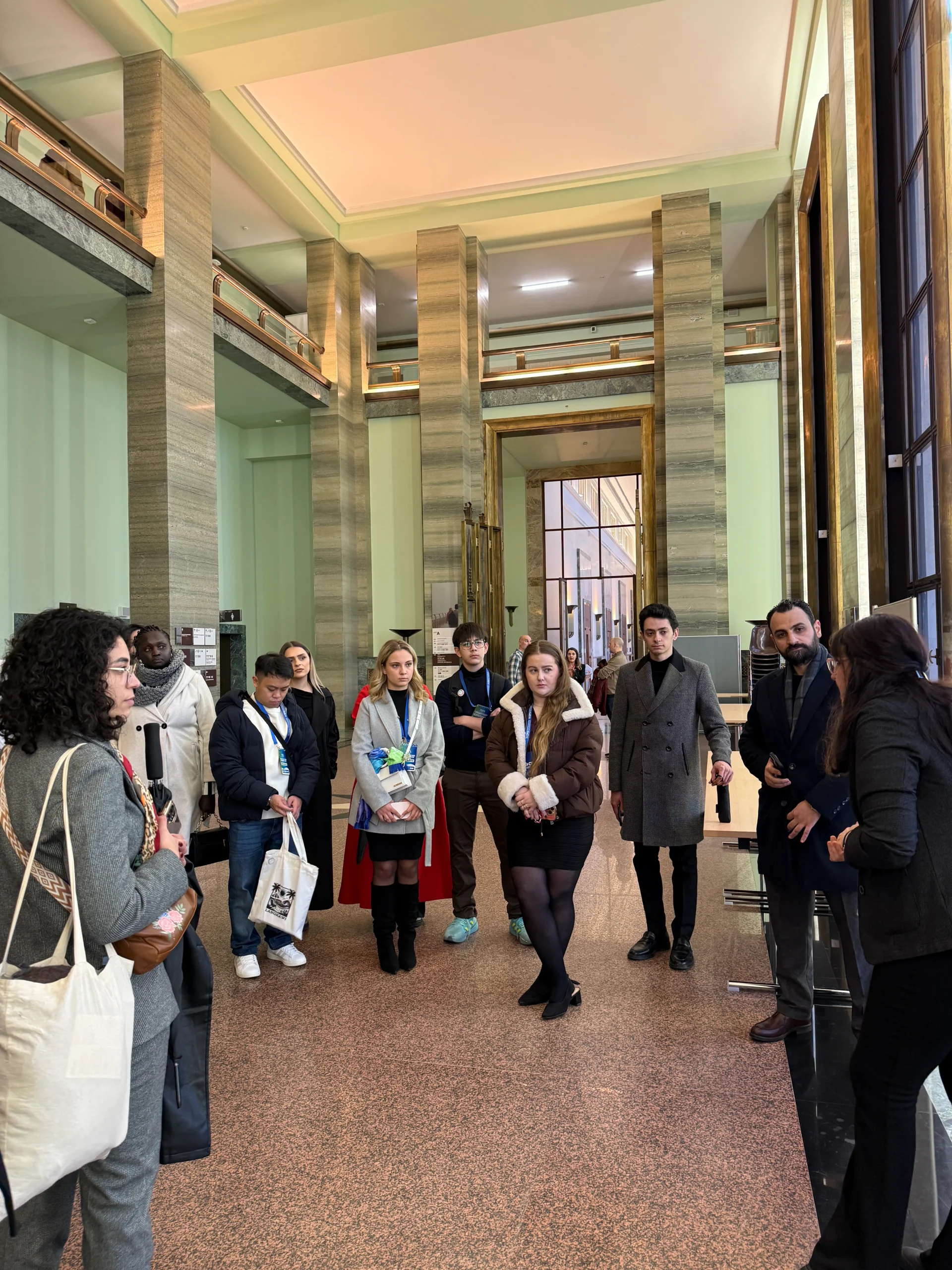
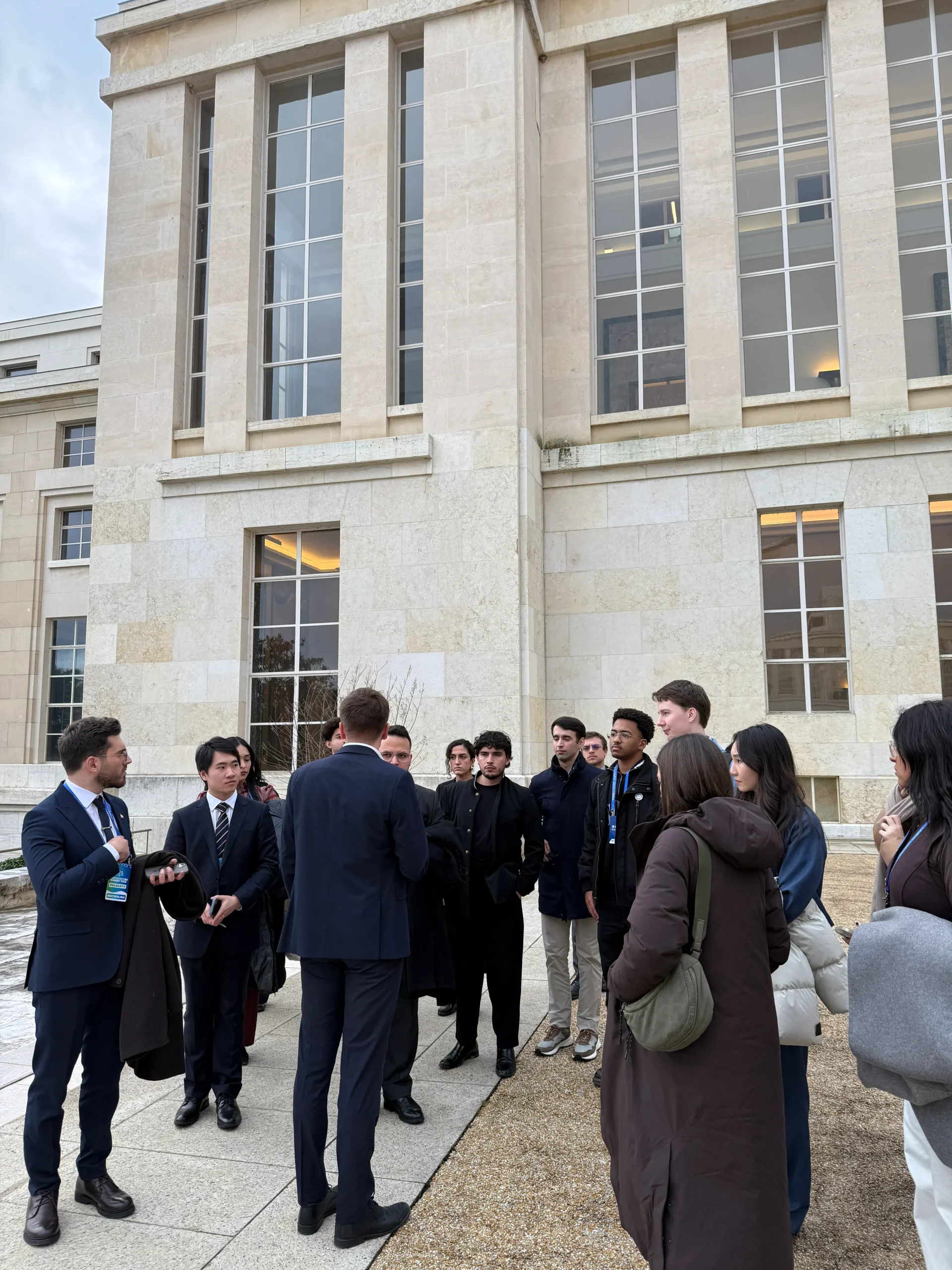
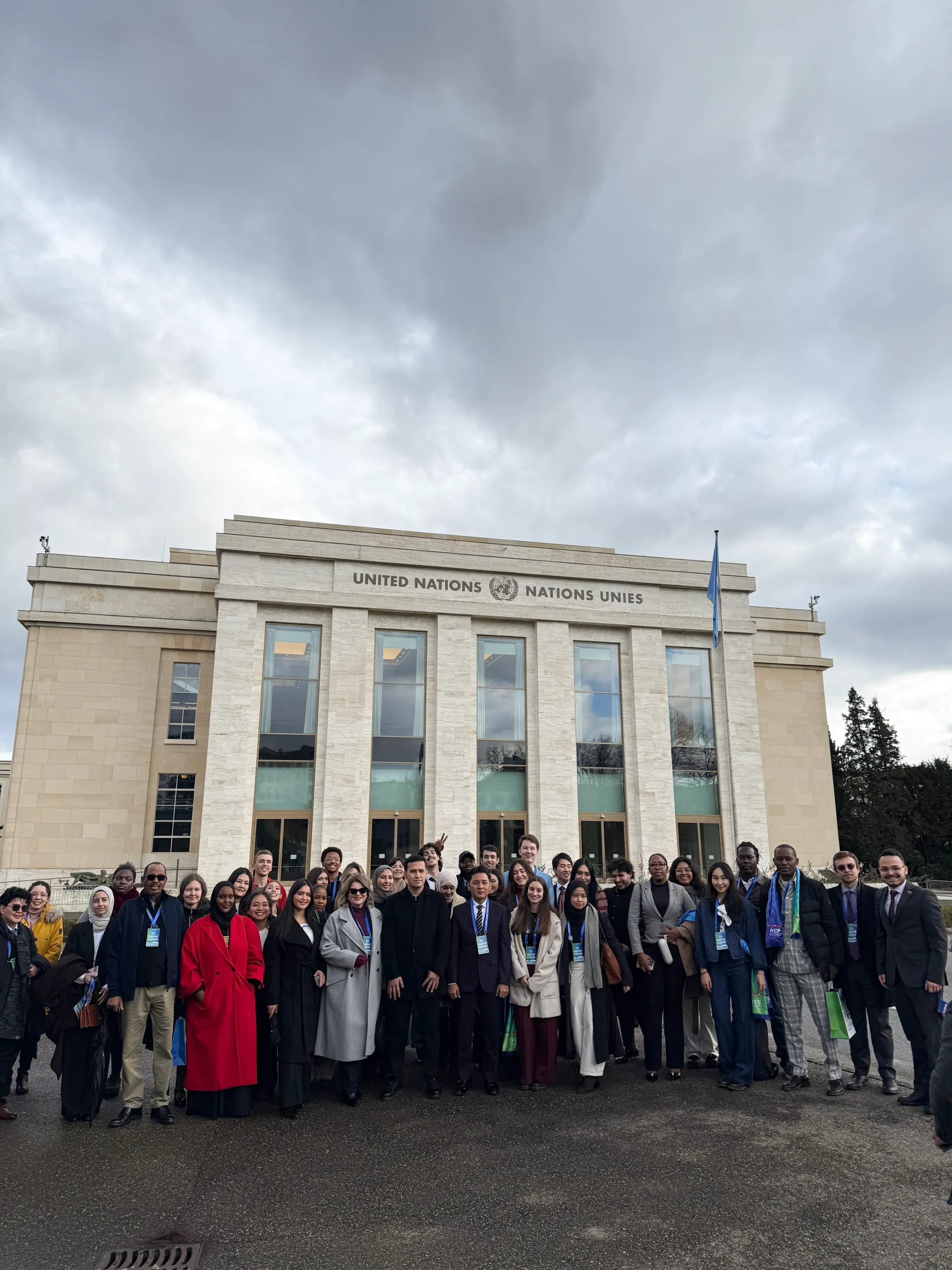
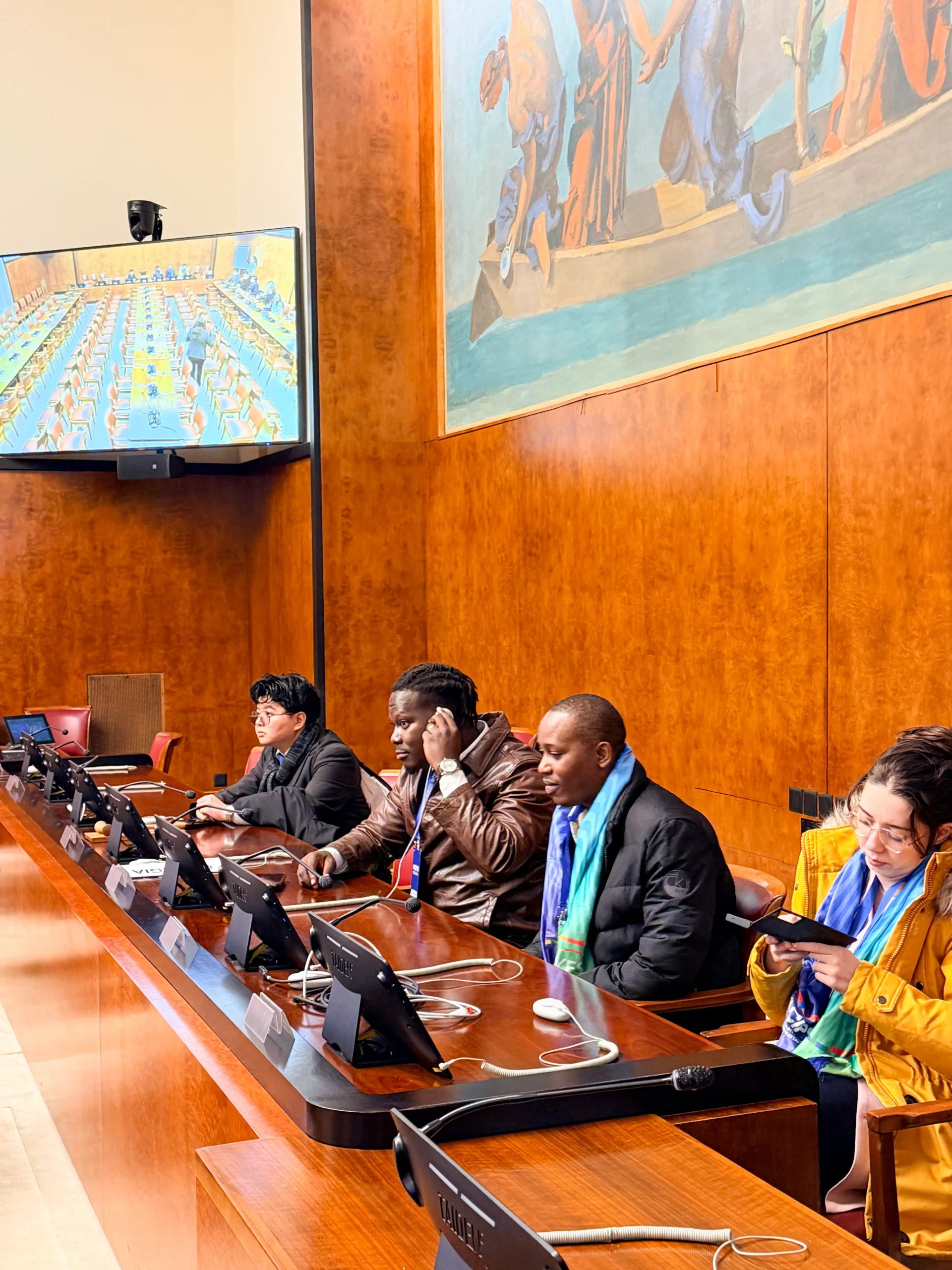
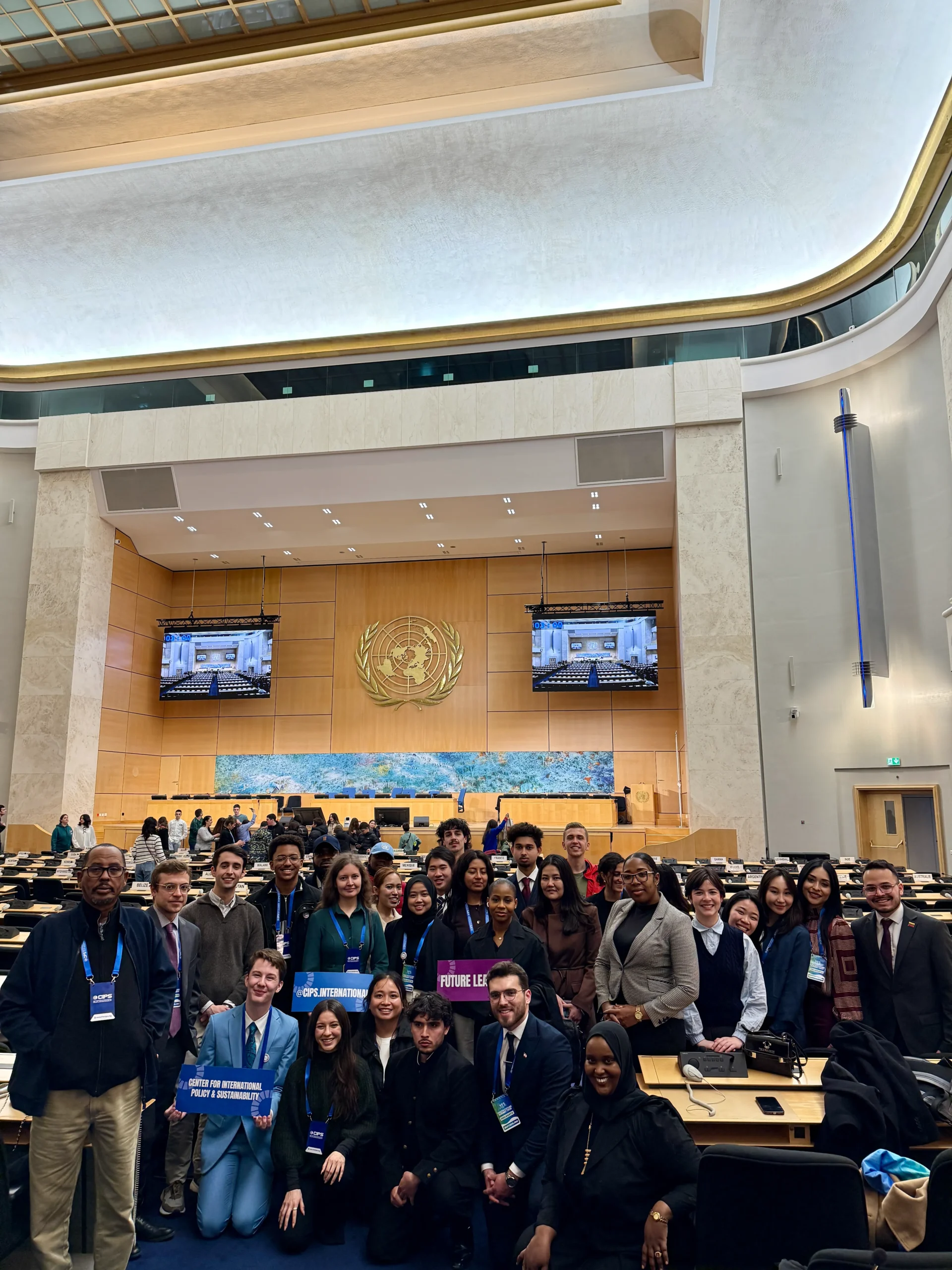
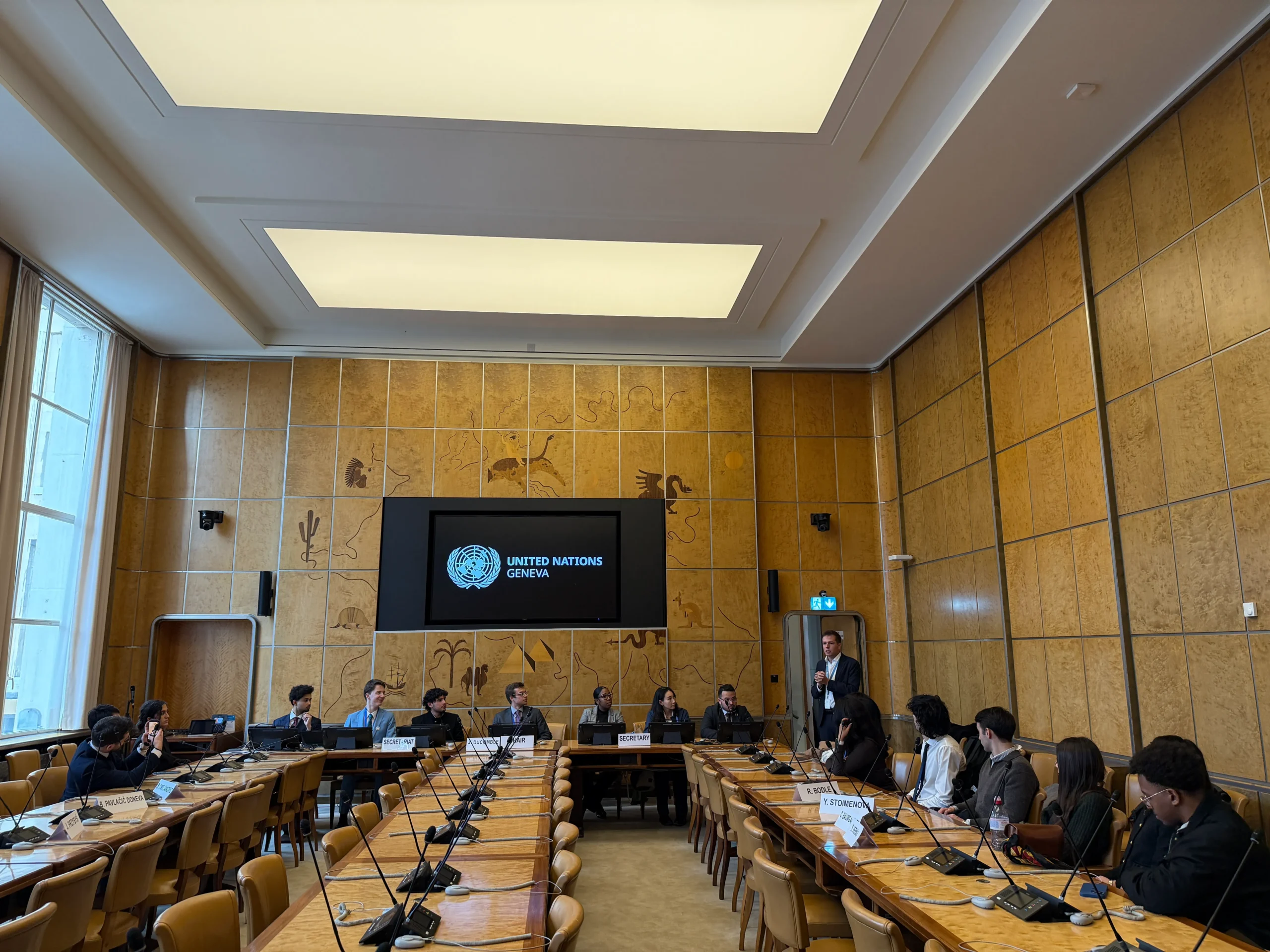
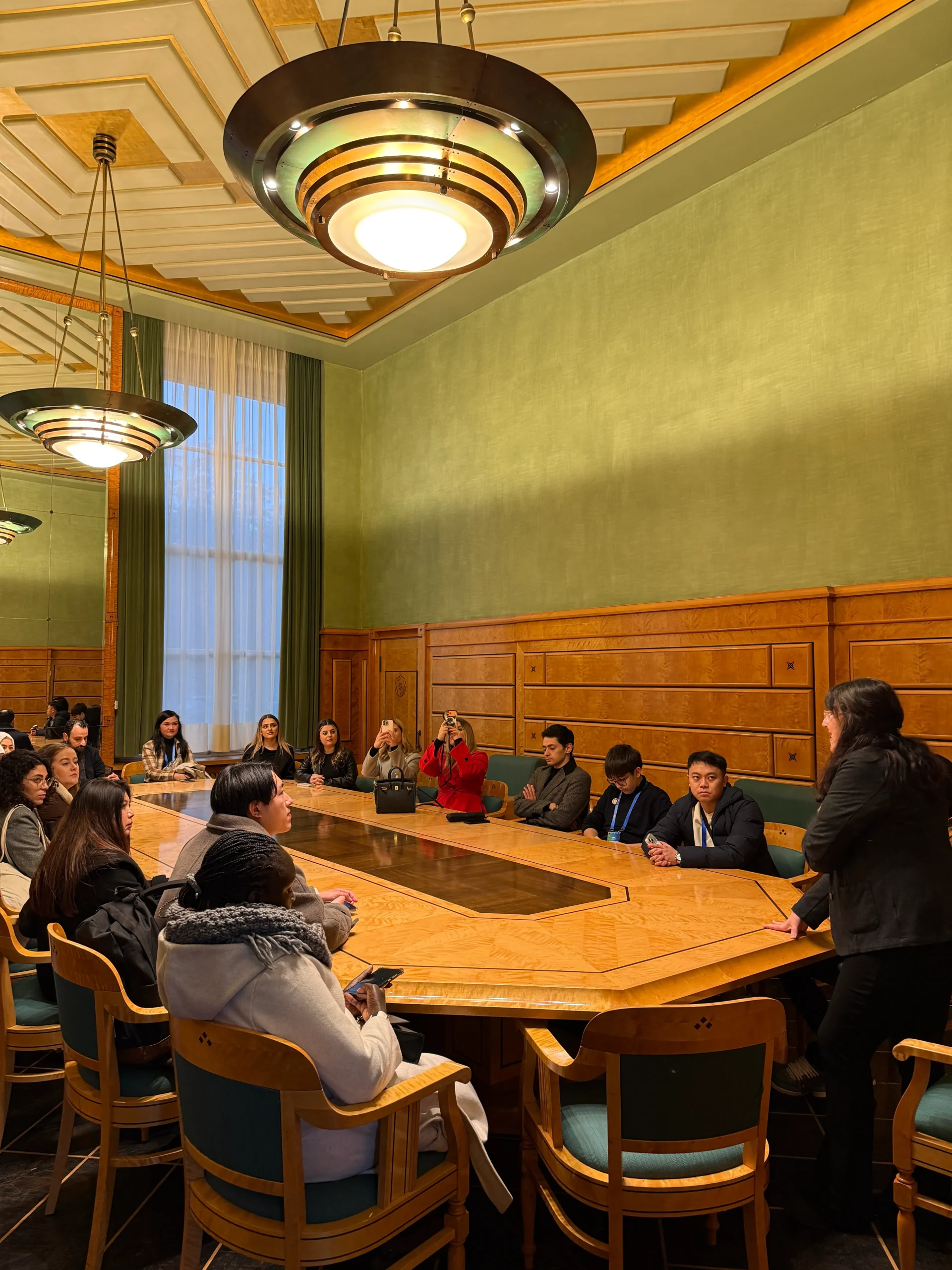
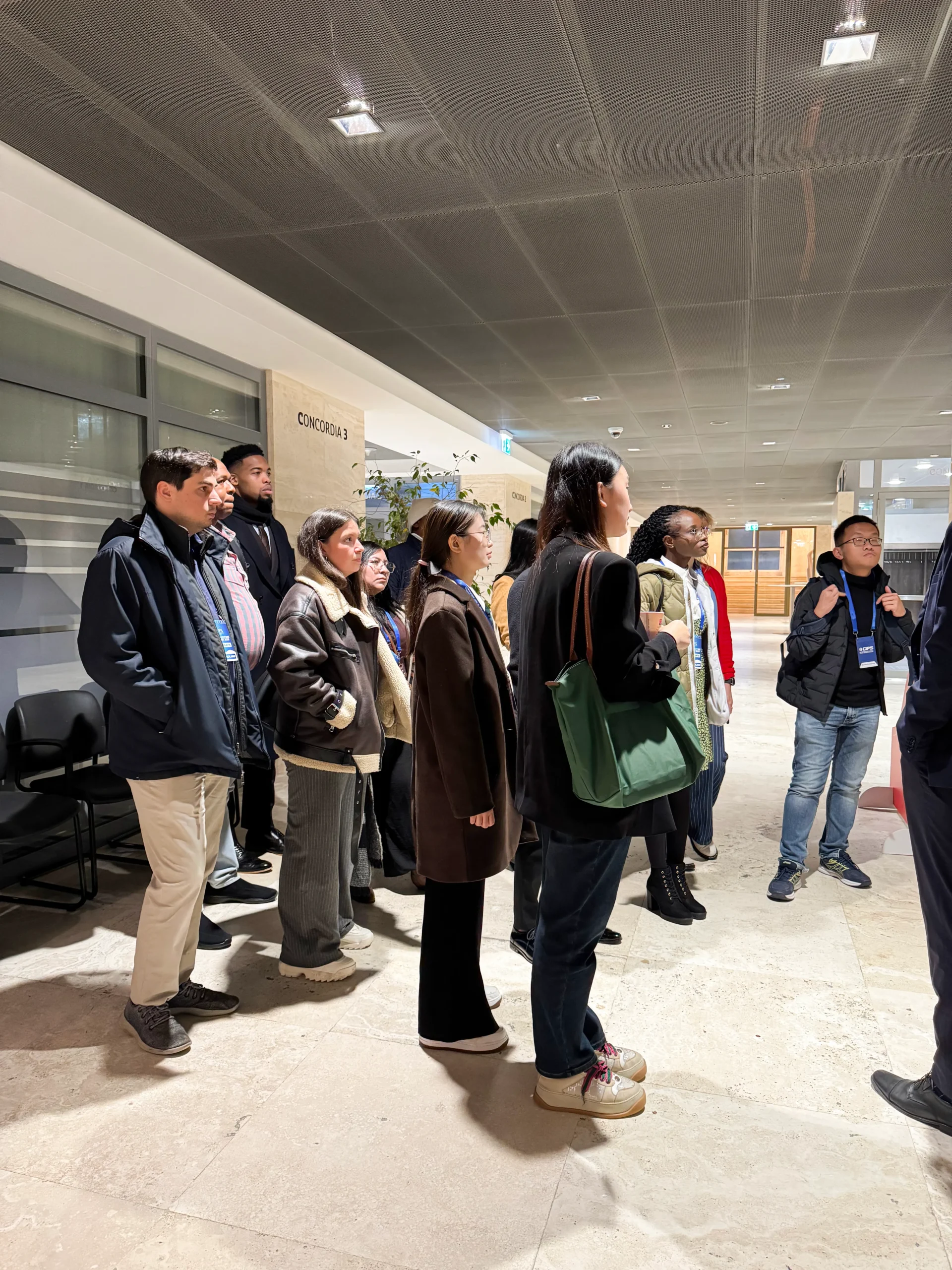
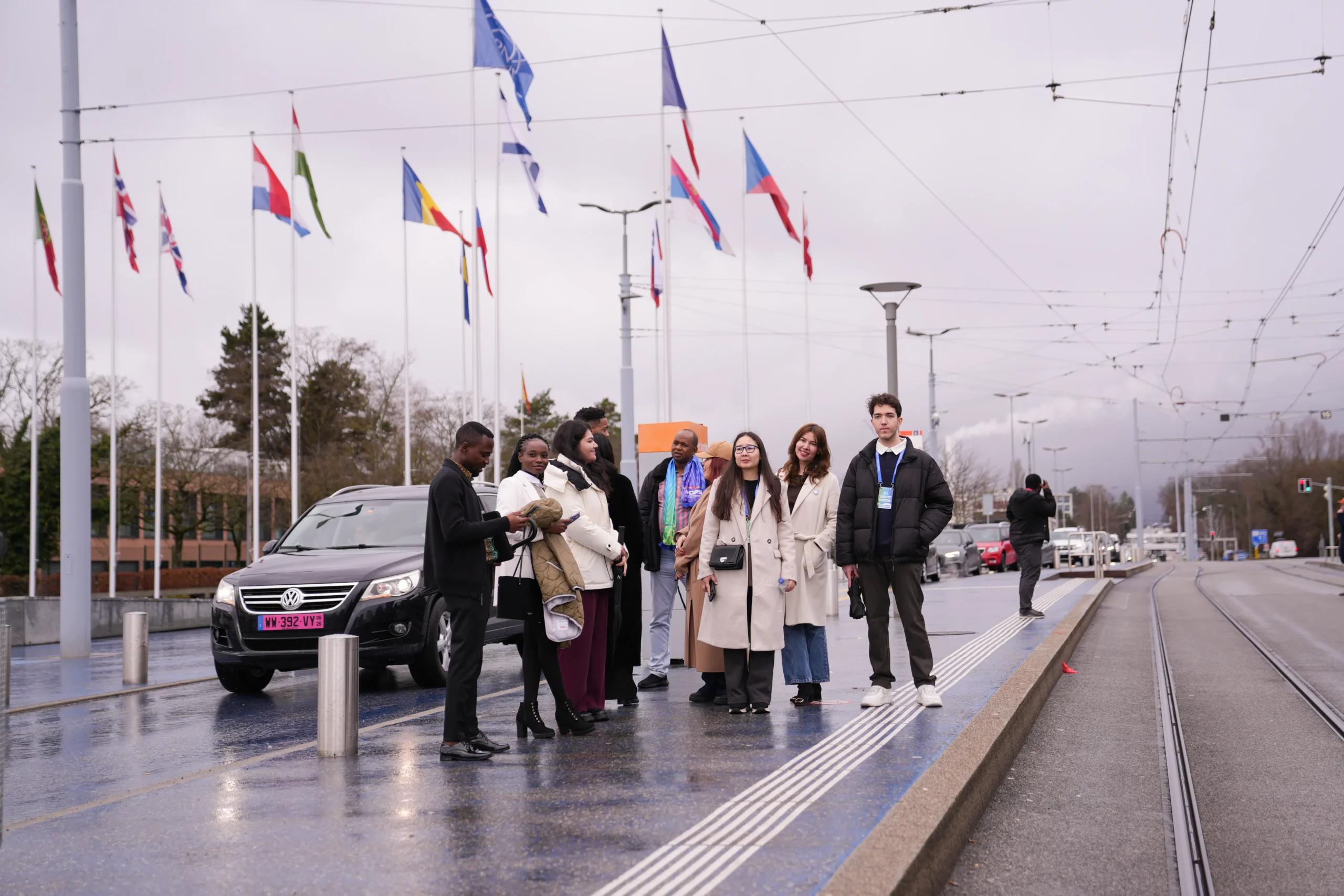
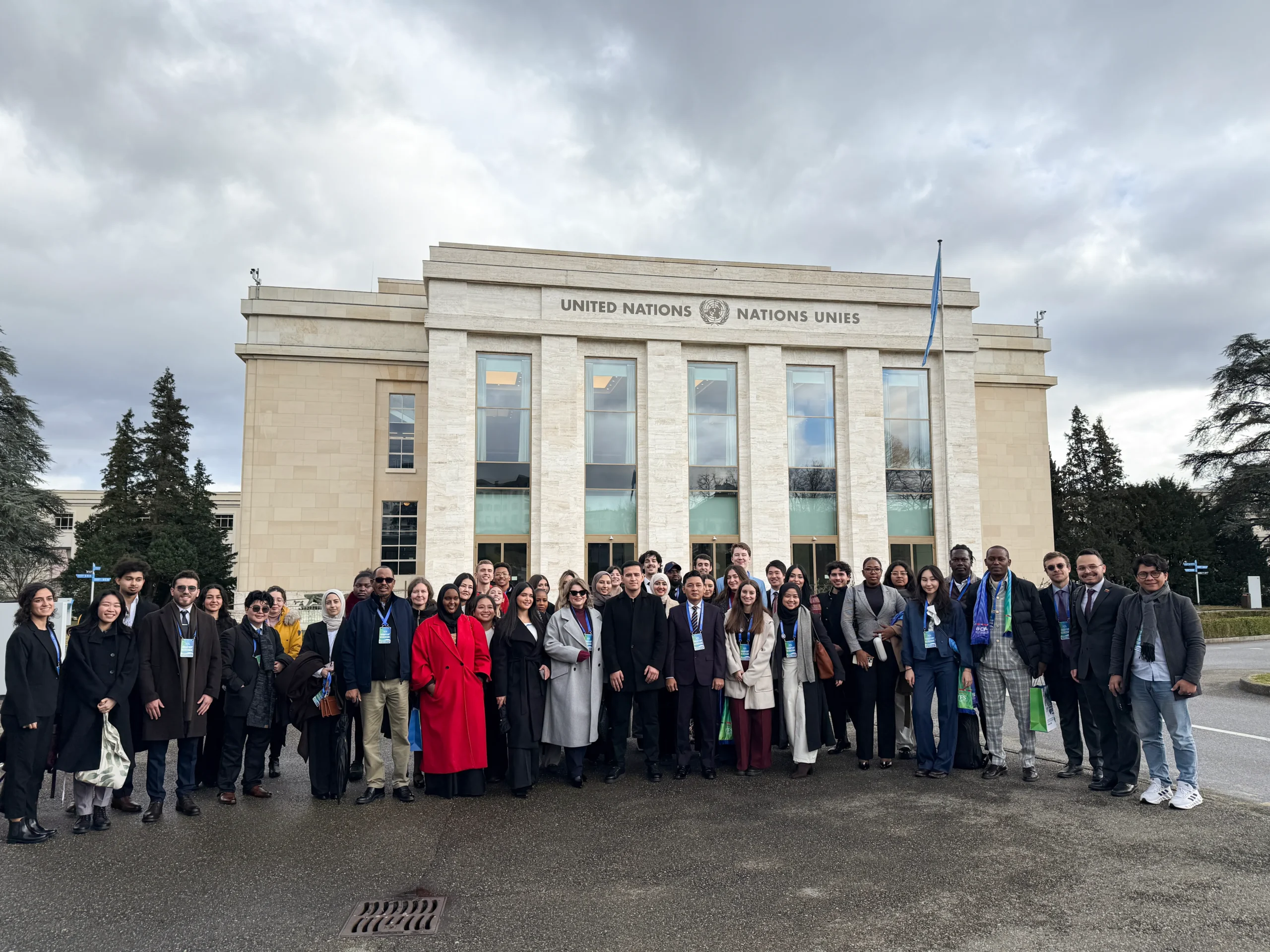
As part of the summit’s institutional exposure component, delegates visited the United Nations Headquarters in Geneva — one of the world’s most significant centers for multilateral diplomacy.
During the visit, participants gained insight into the structure and functioning of UN bodies, negotiation processes, and international cooperation frameworks. The experience provided clarity on how global policies are developed, debated, and implemented.
Standing within the halls of the UN allowed delegates to contextualize their learning and understand how youth perspectives can intersect meaningfully with global governance systems.
The visit also fostered a deeper appreciation for the complexity of consensus-building and the critical role diplomacy plays in addressing shared global challenges.
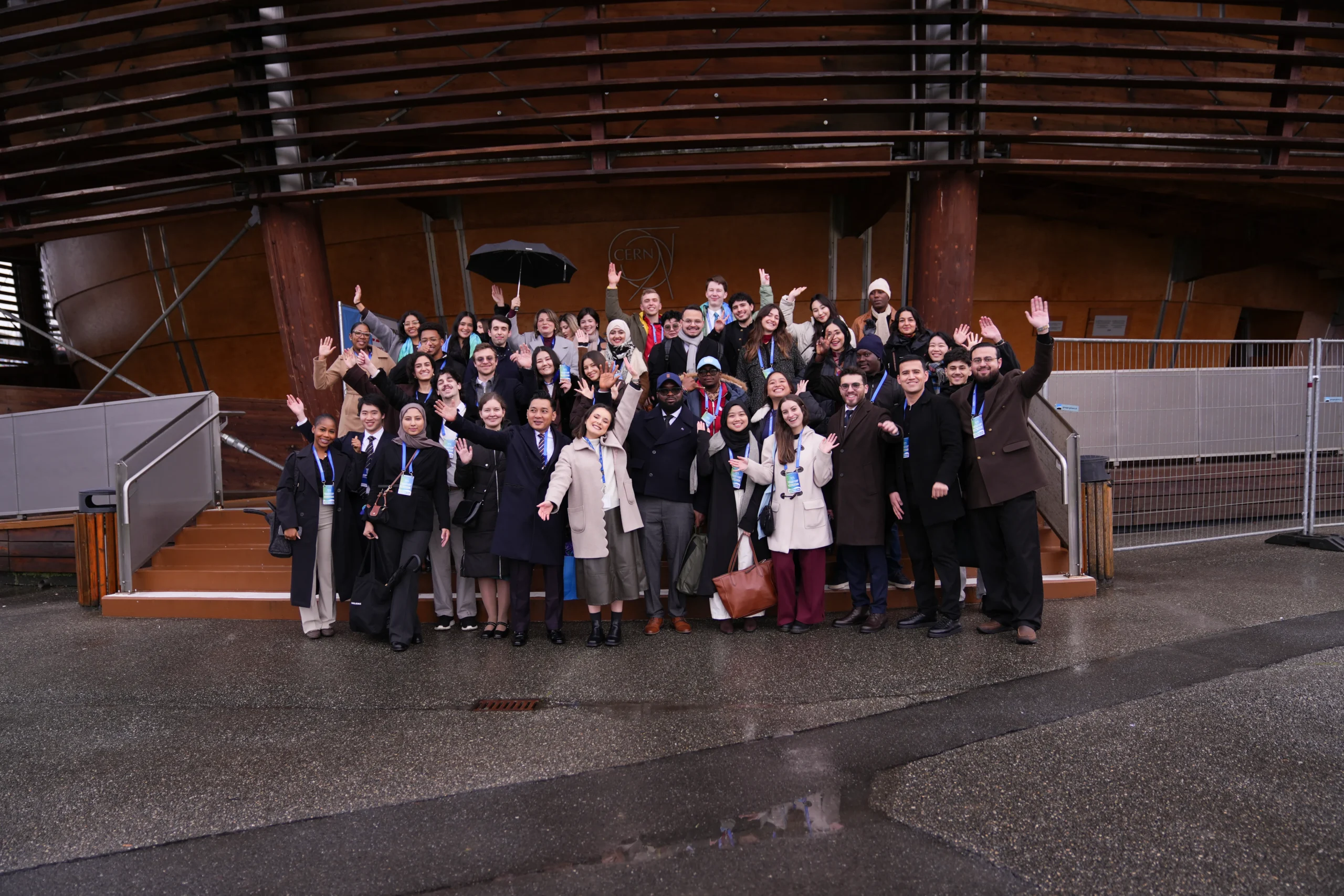
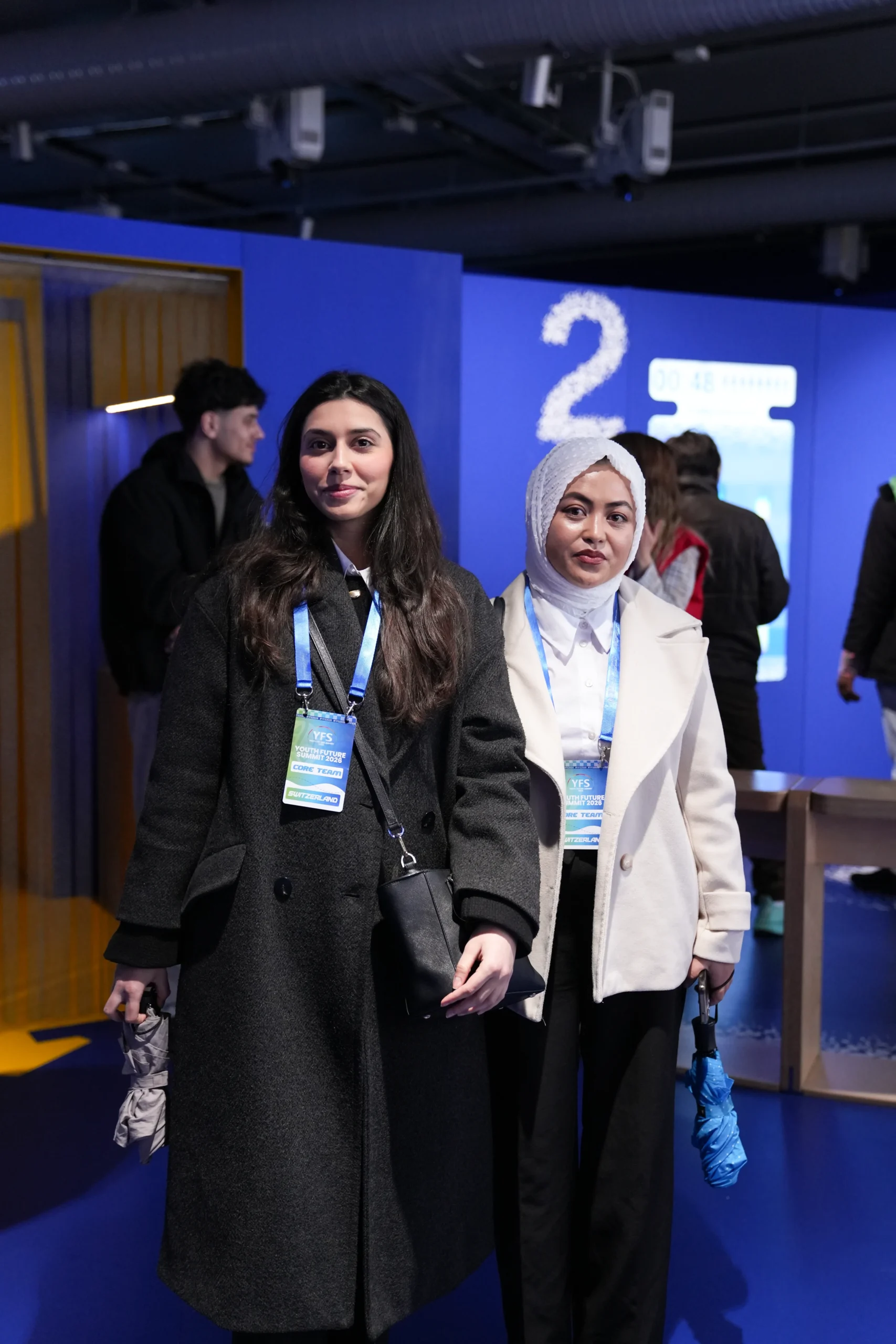
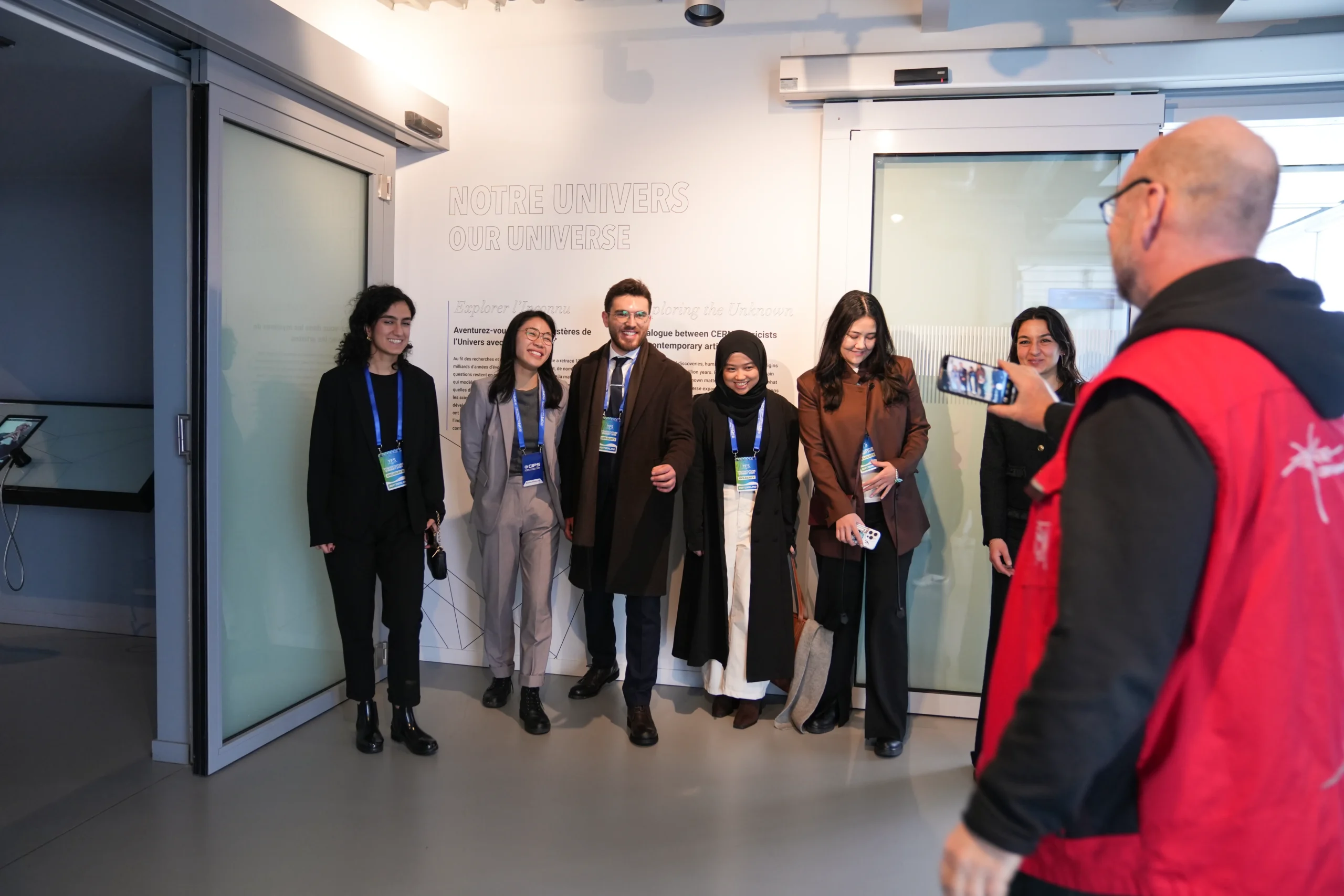
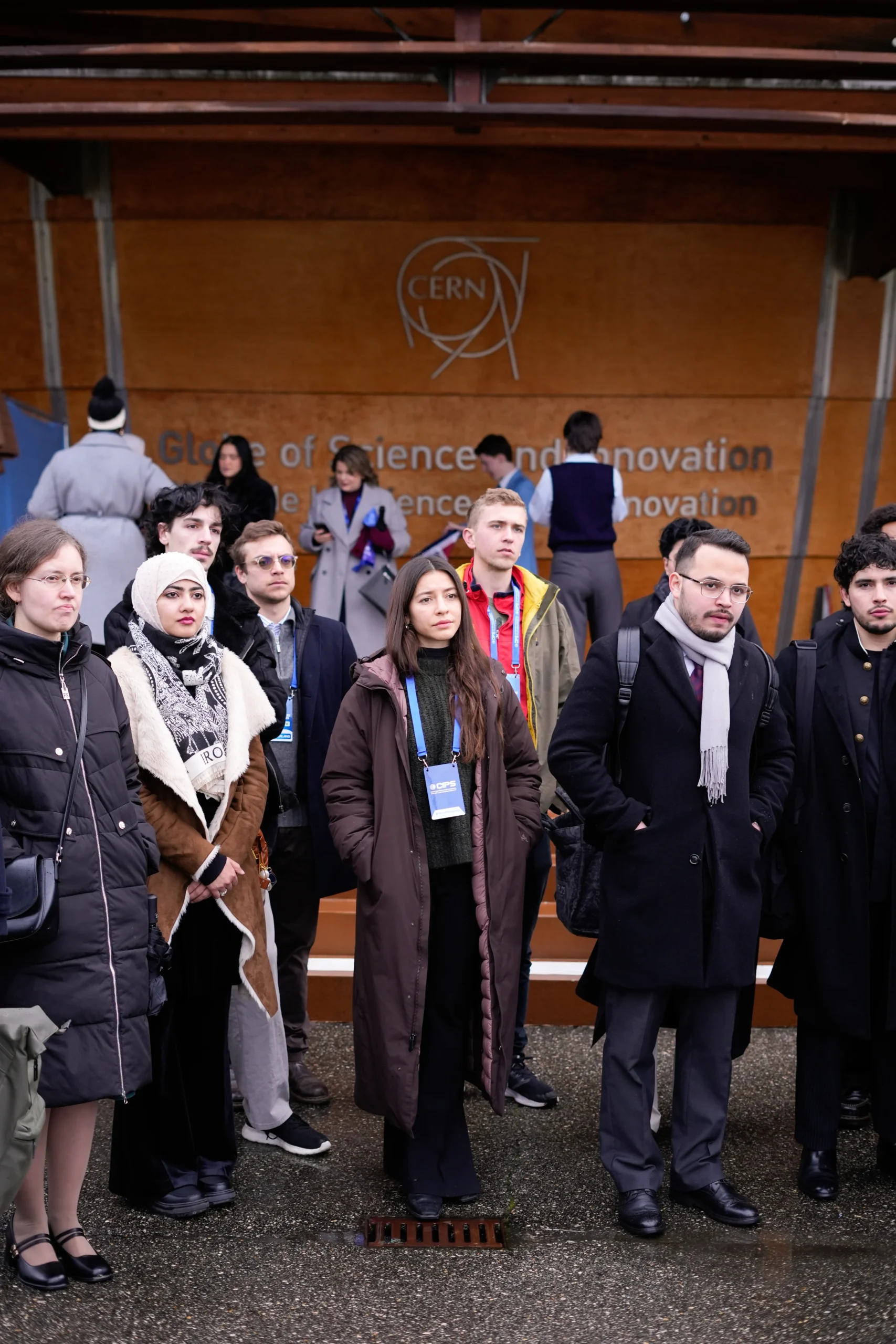
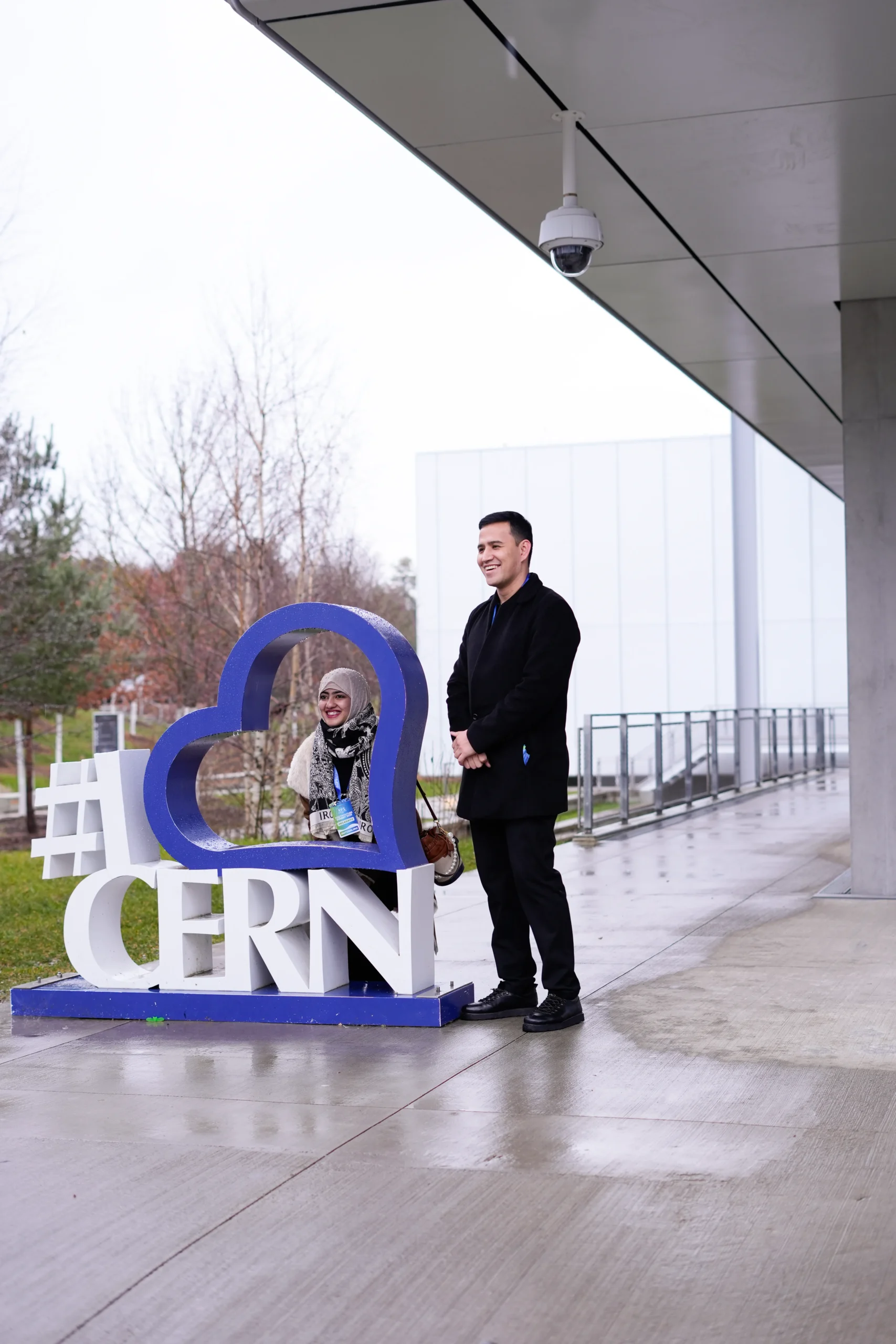
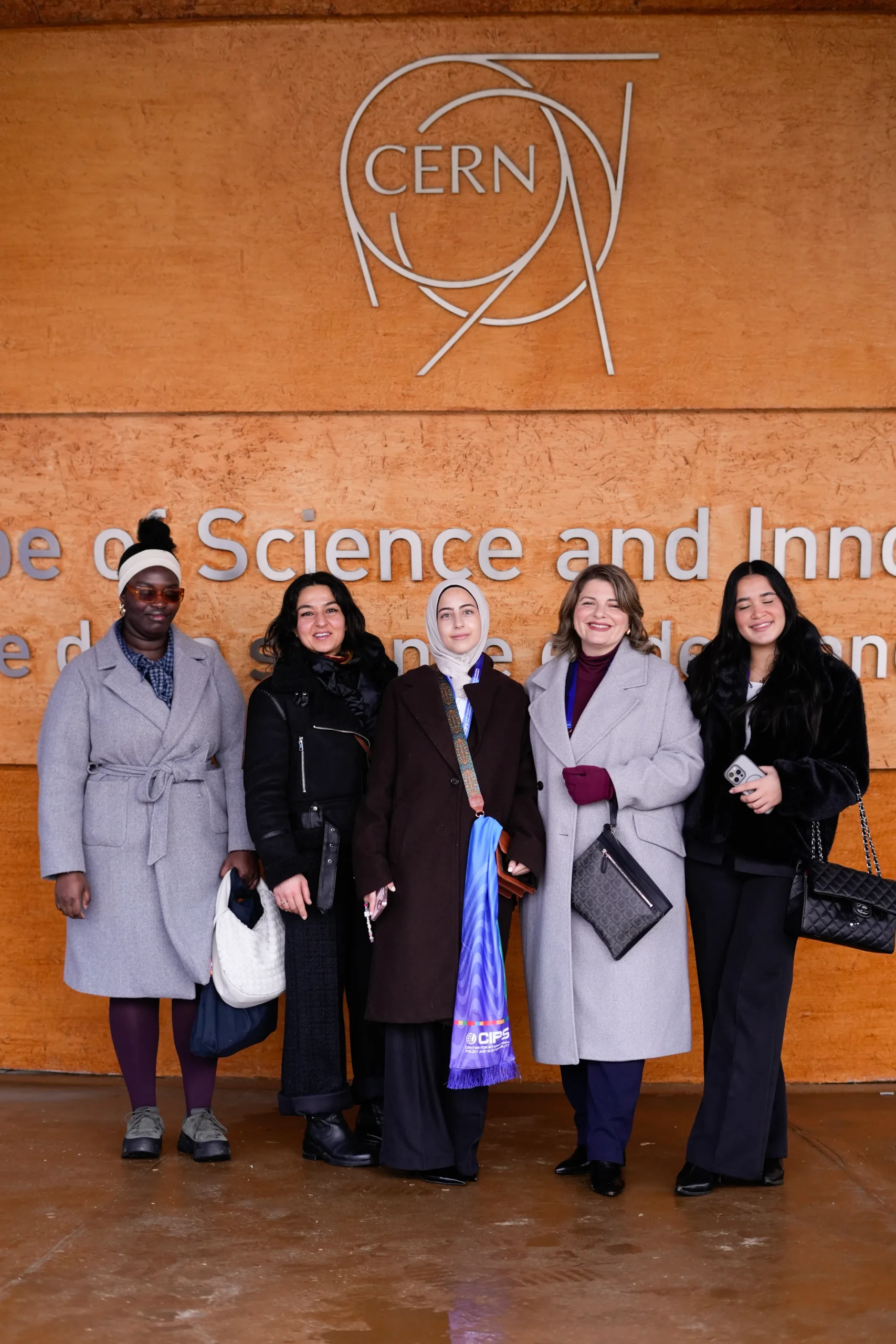
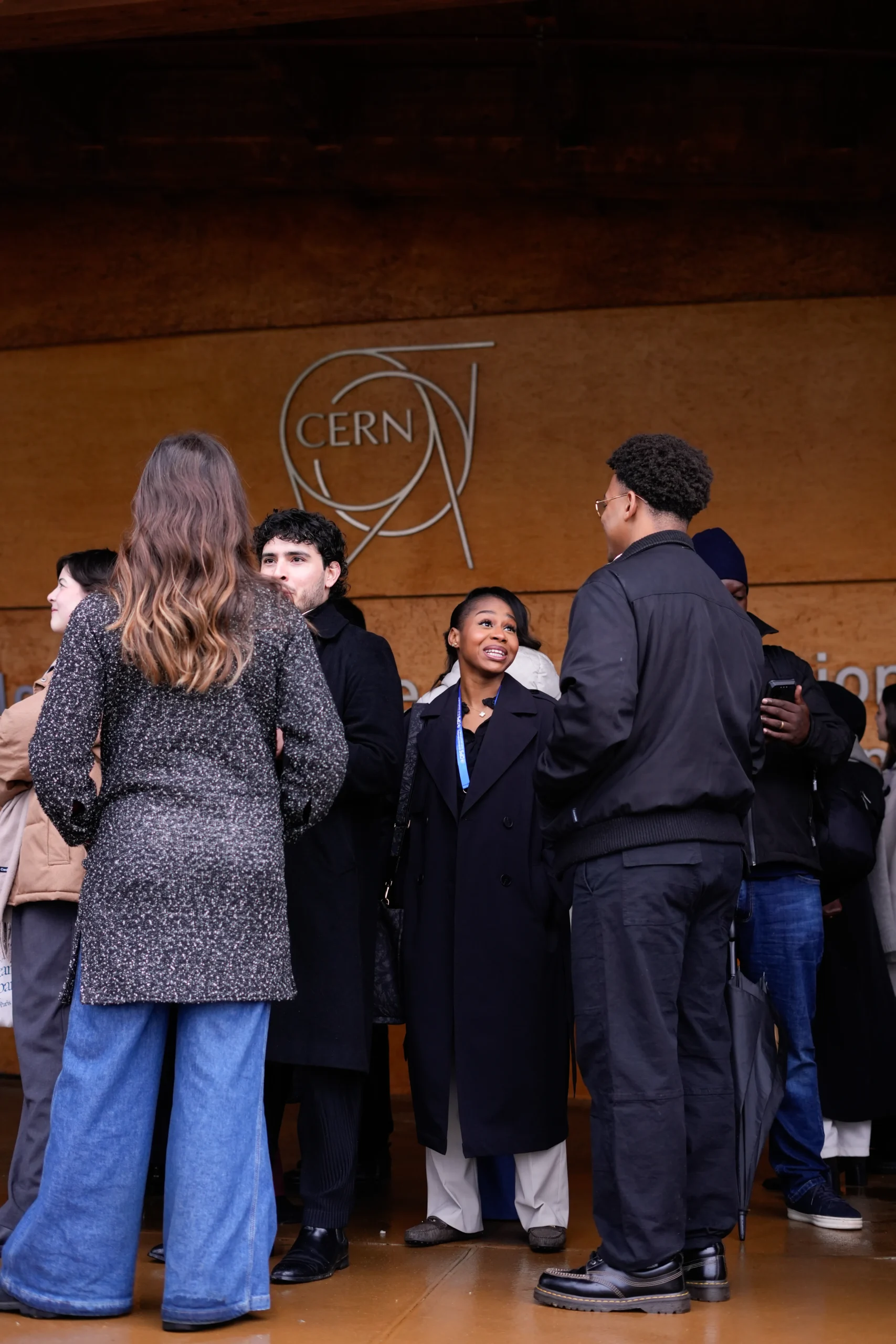
Delegates also visited the CERN Science Gateway, engaging with one of the world’s leading centers for scientific research and innovation.
Through guided exploration and interactive exhibits, participants learned about CERN’s pioneering contributions to physics, global collaboration in research, and technological advancements that have influenced industries worldwide. The visit underscored the importance of scientific cooperation across borders and demonstrated how innovation can serve humanity collectively.
This experience broadened delegates’ perspectives by connecting leadership and policy discussions with scientific progress and global problem-solving.
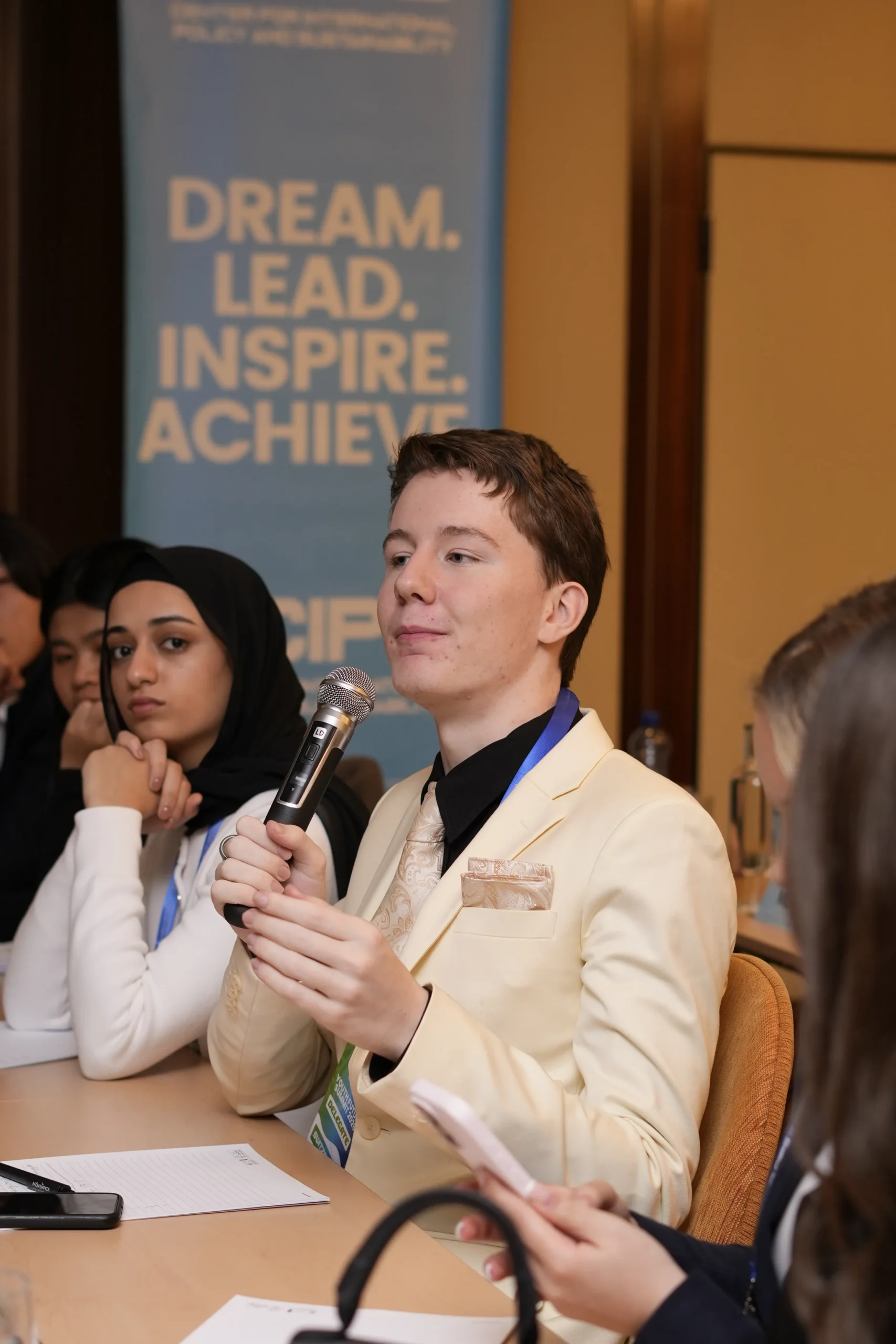
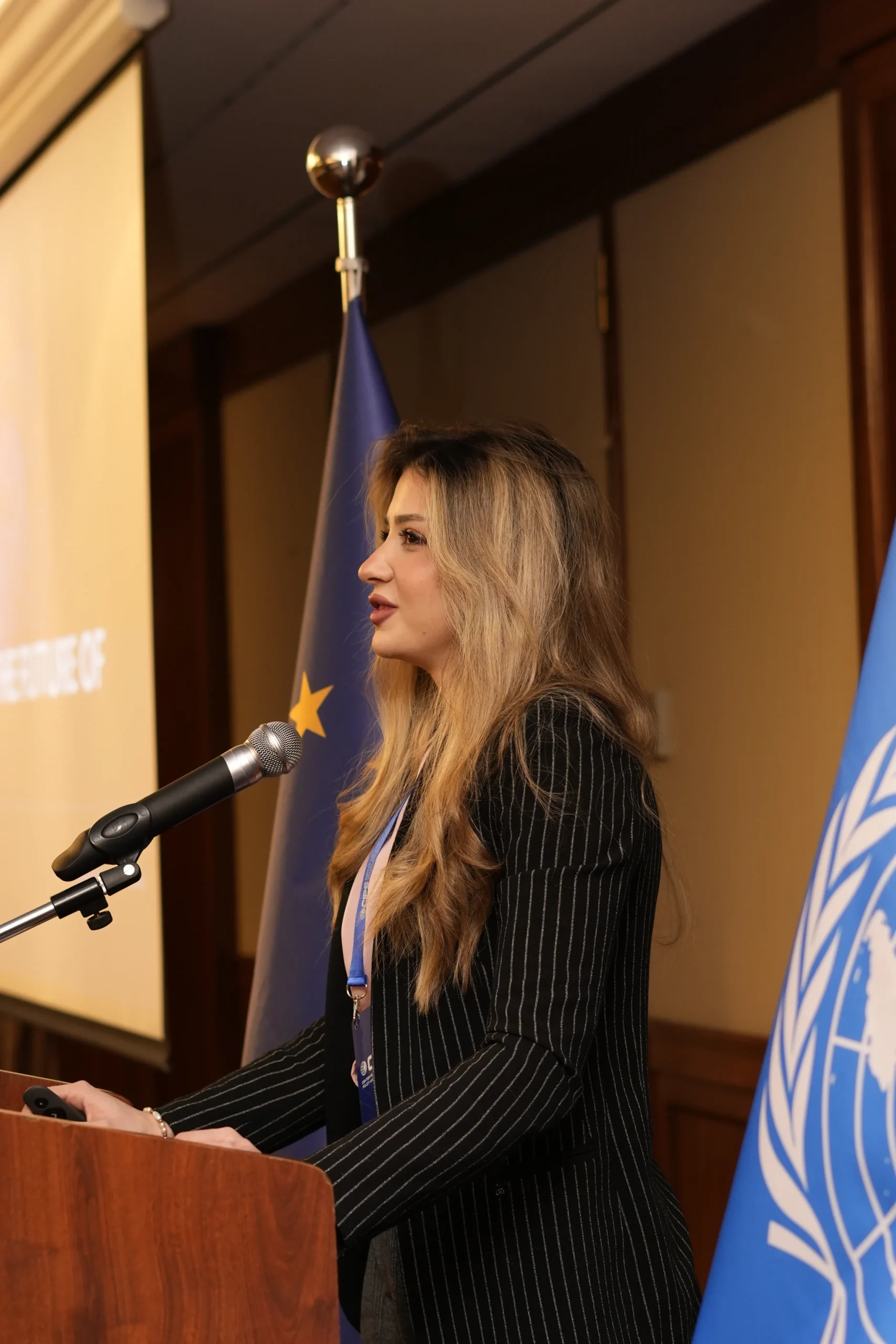
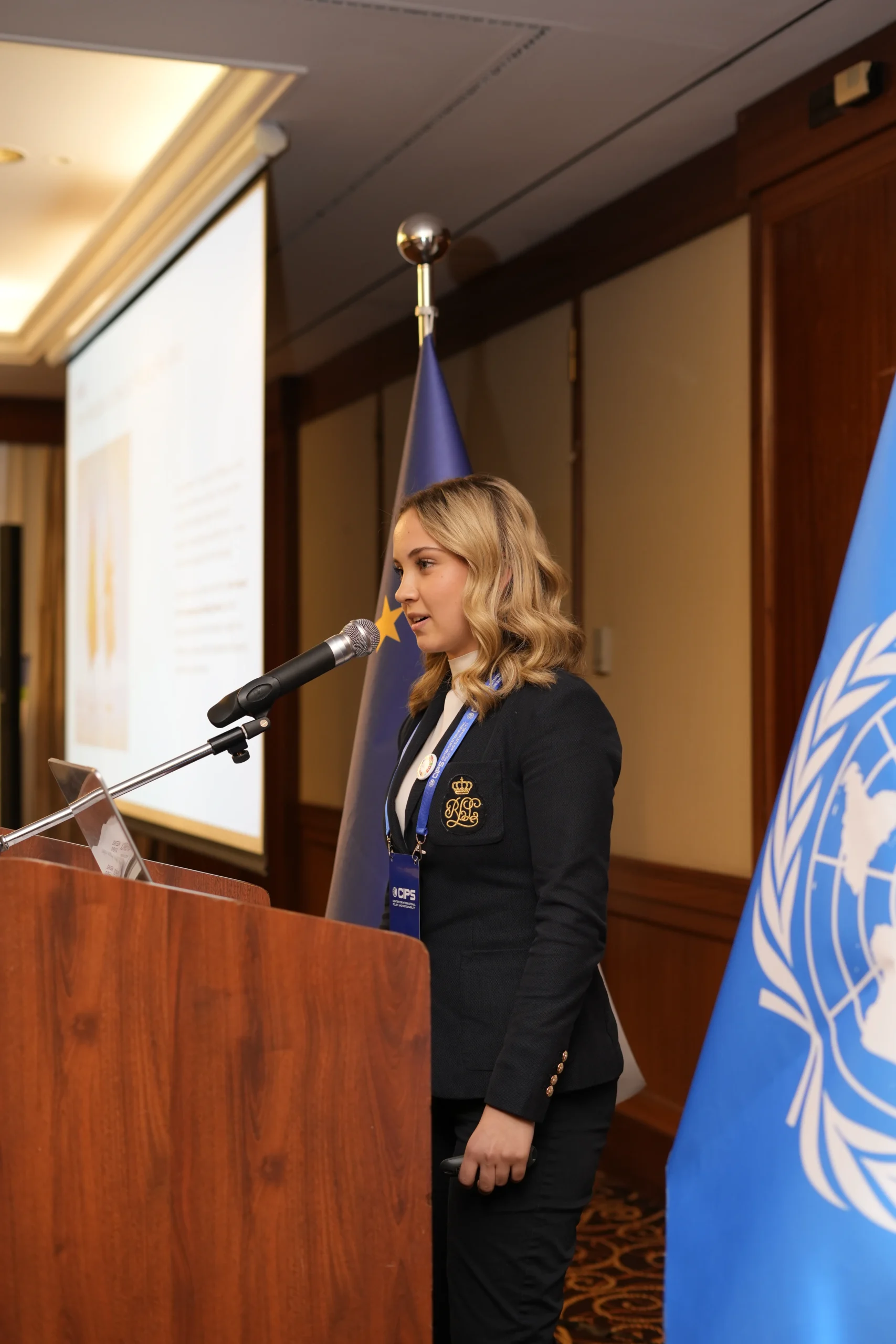
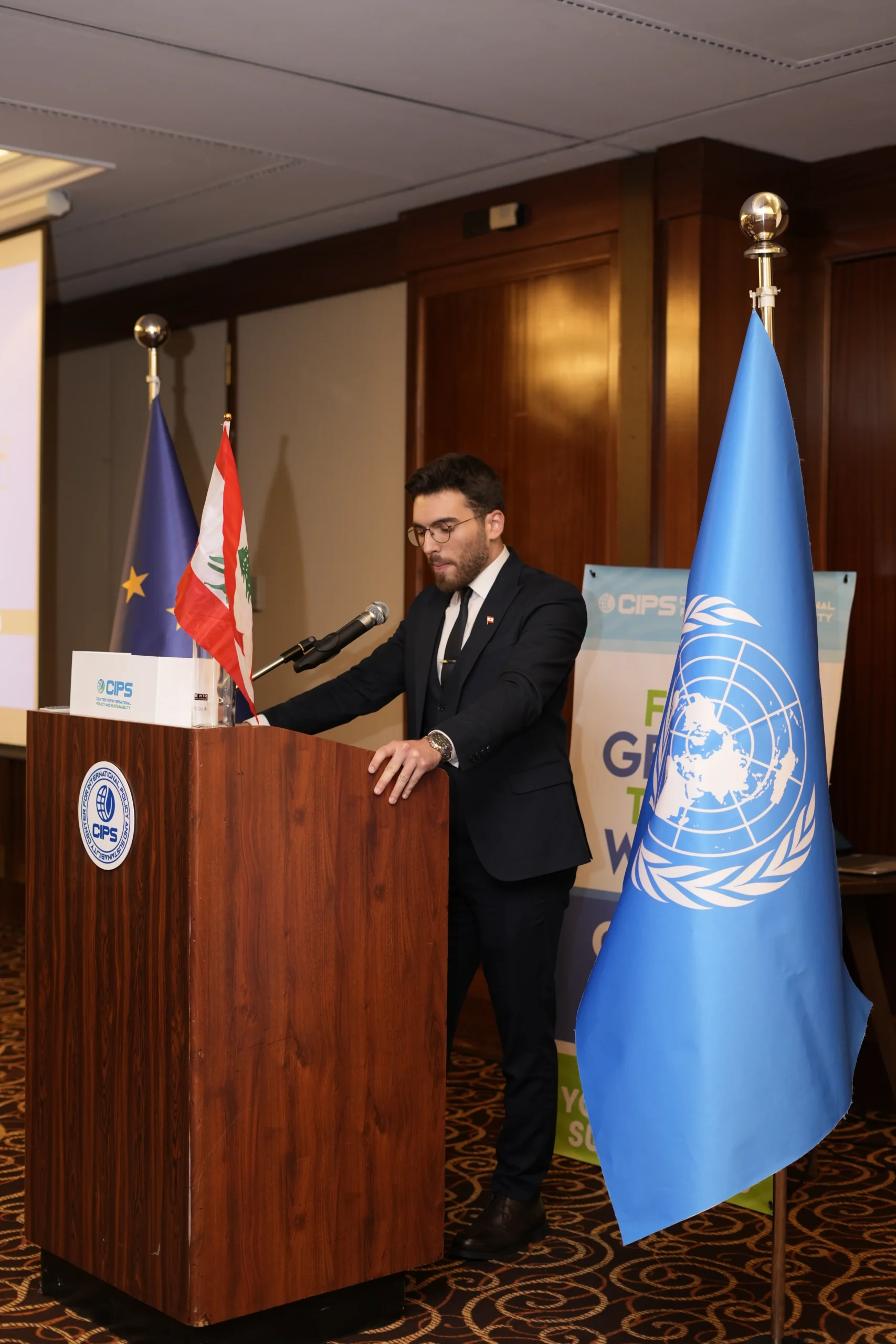
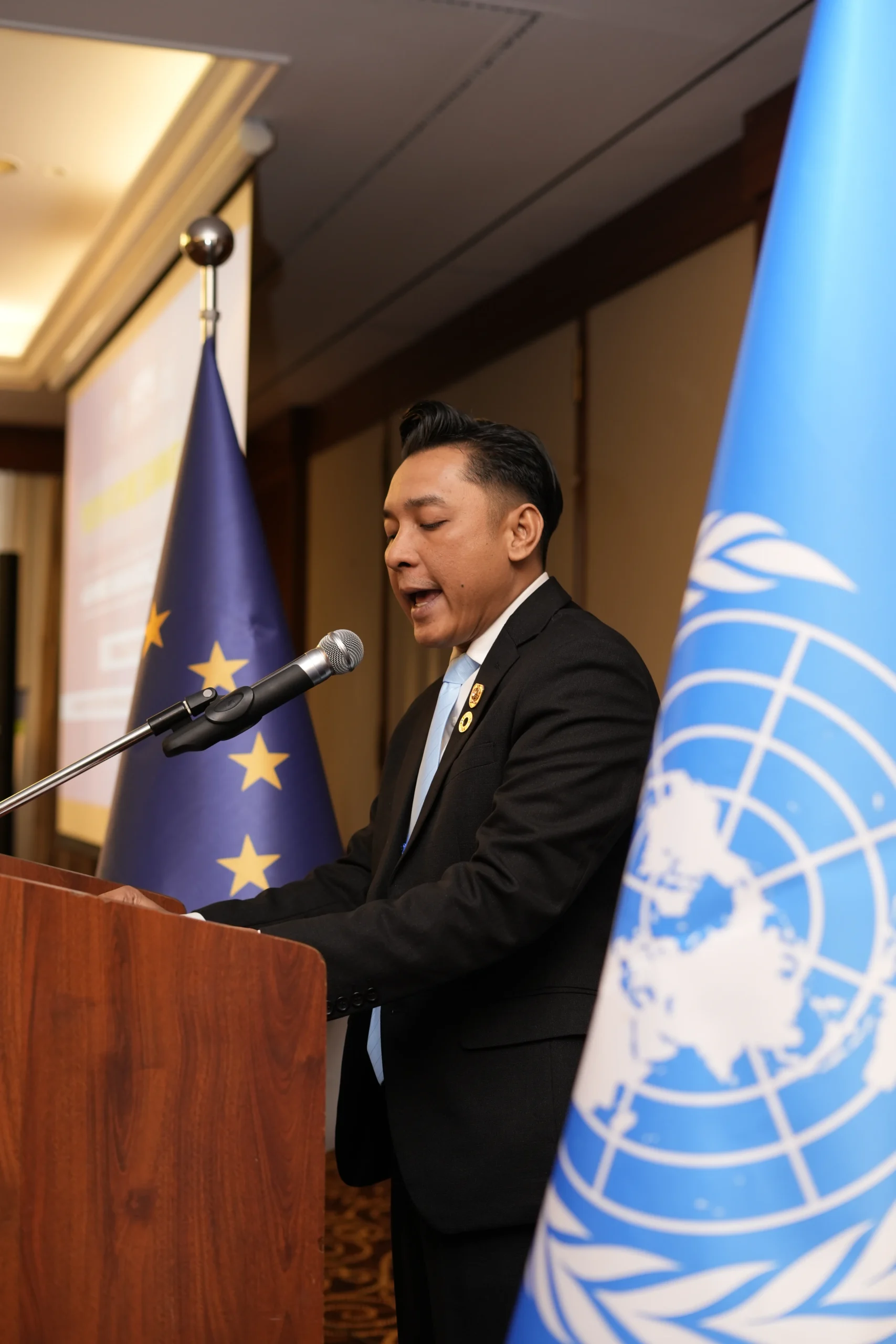
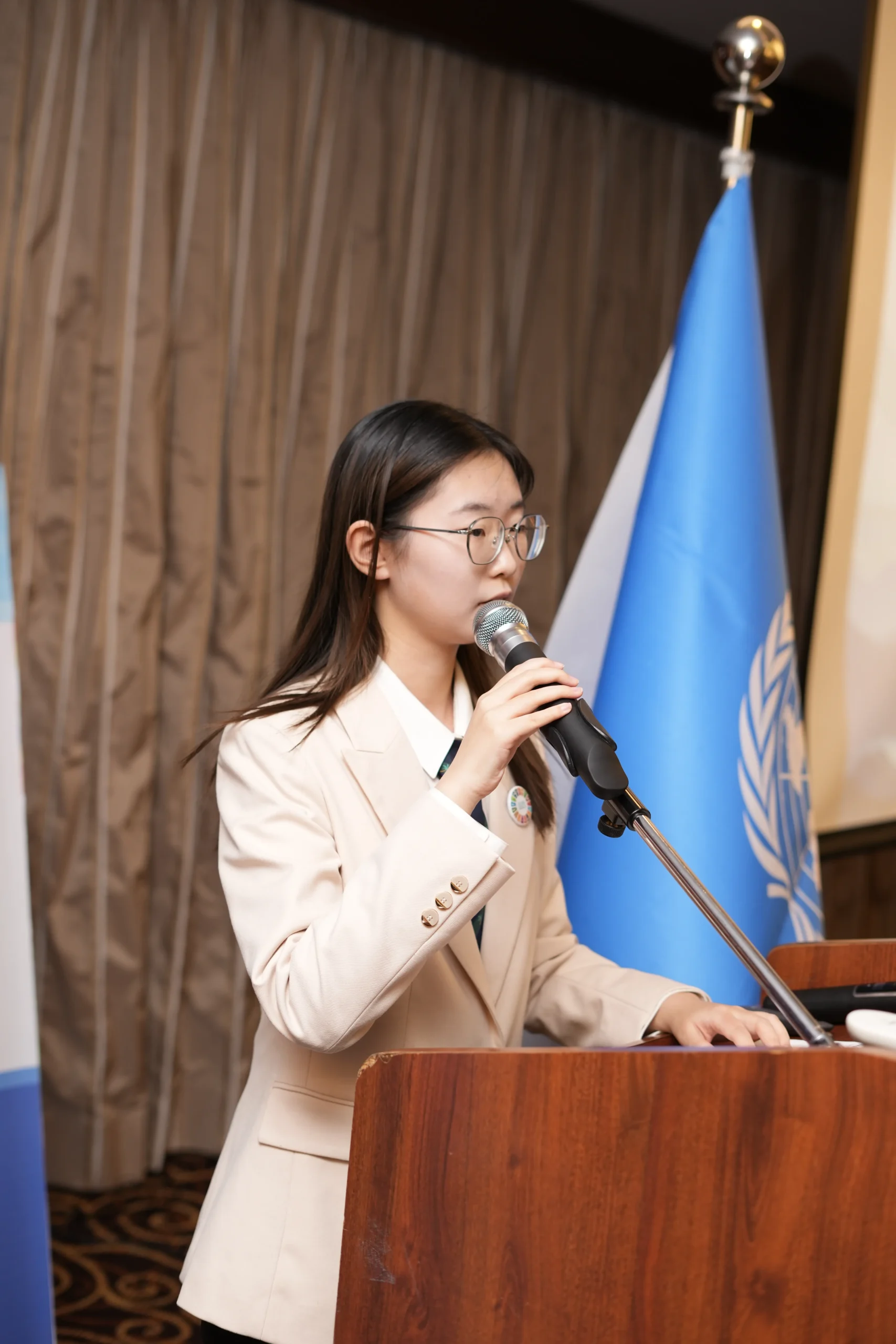
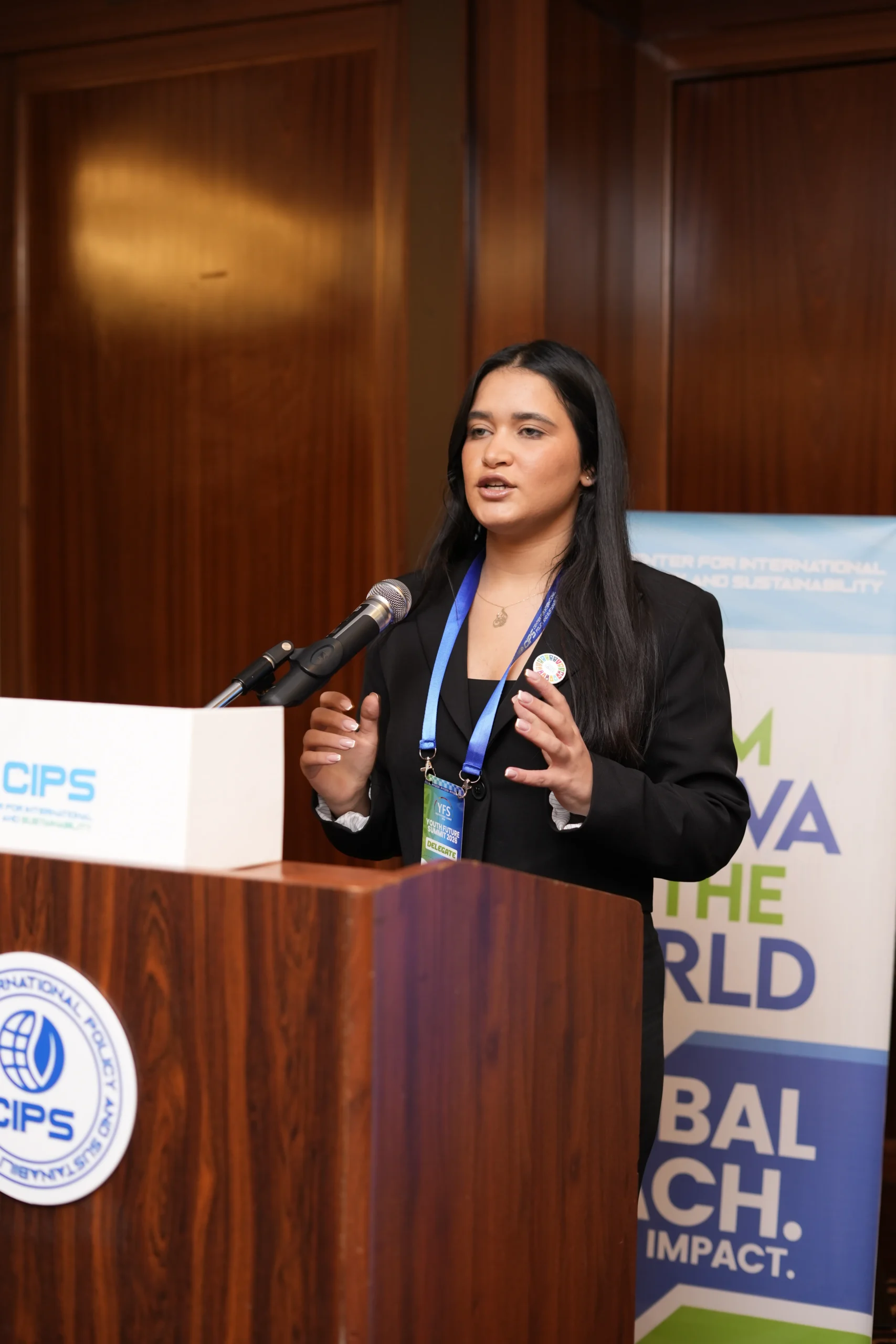
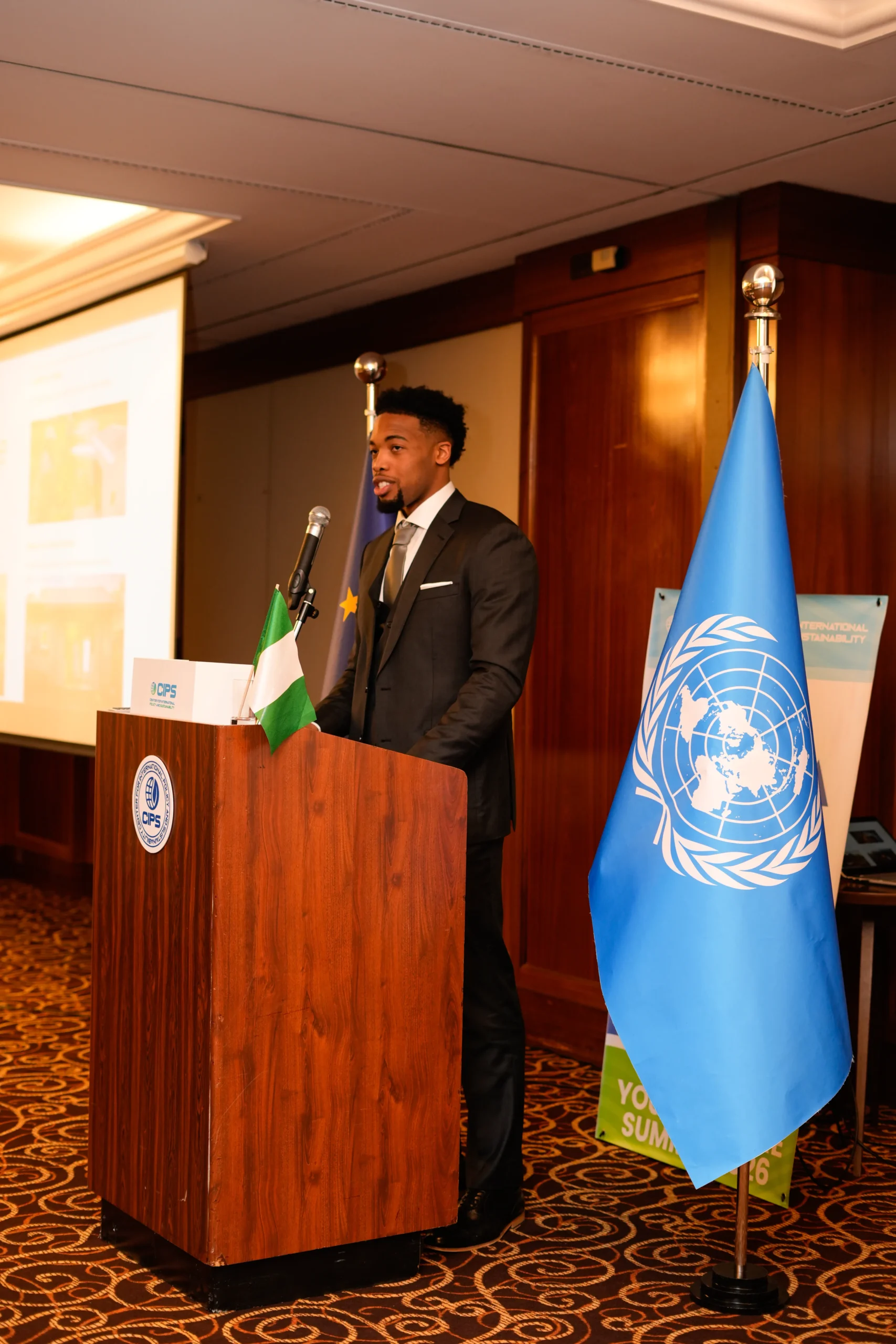
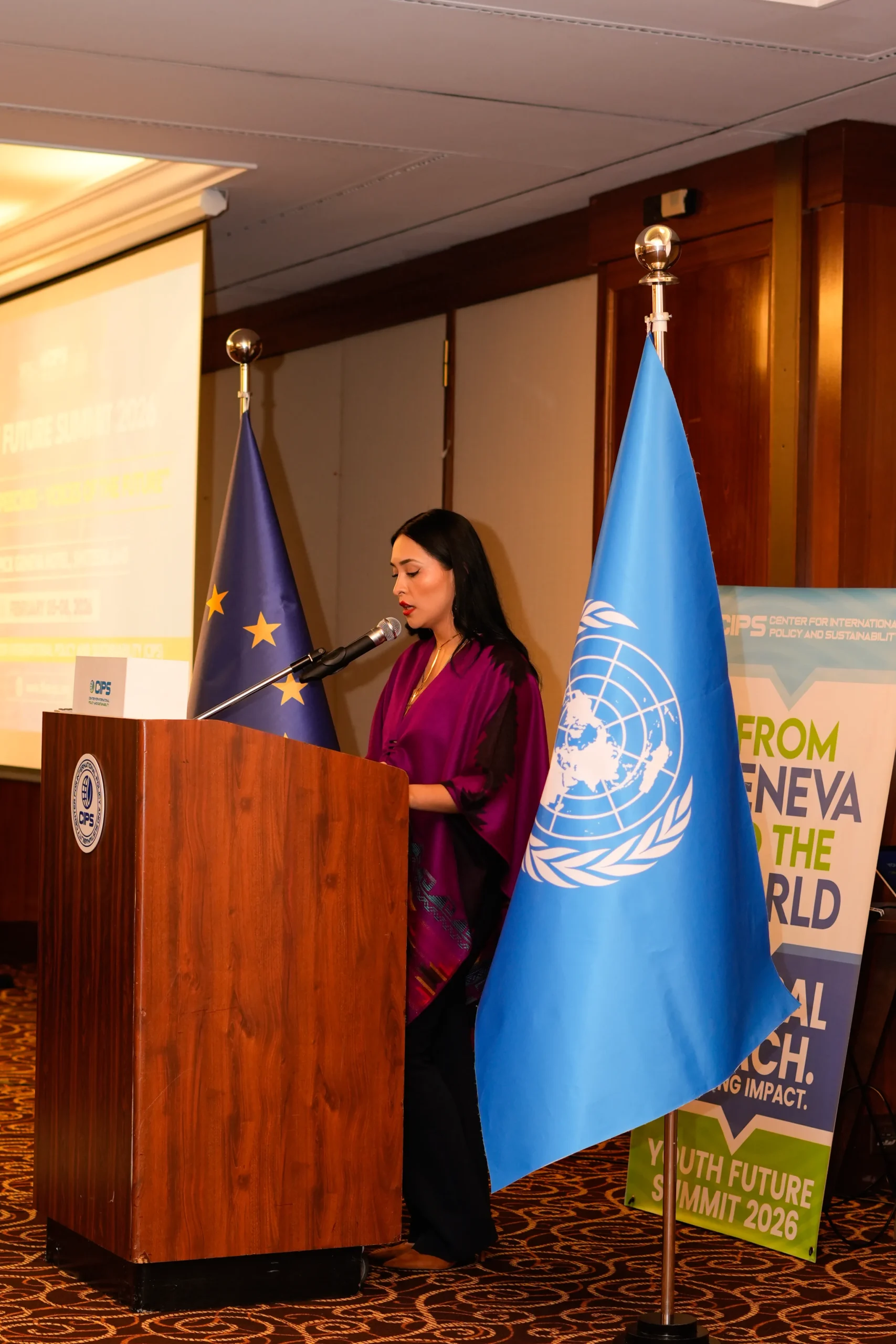
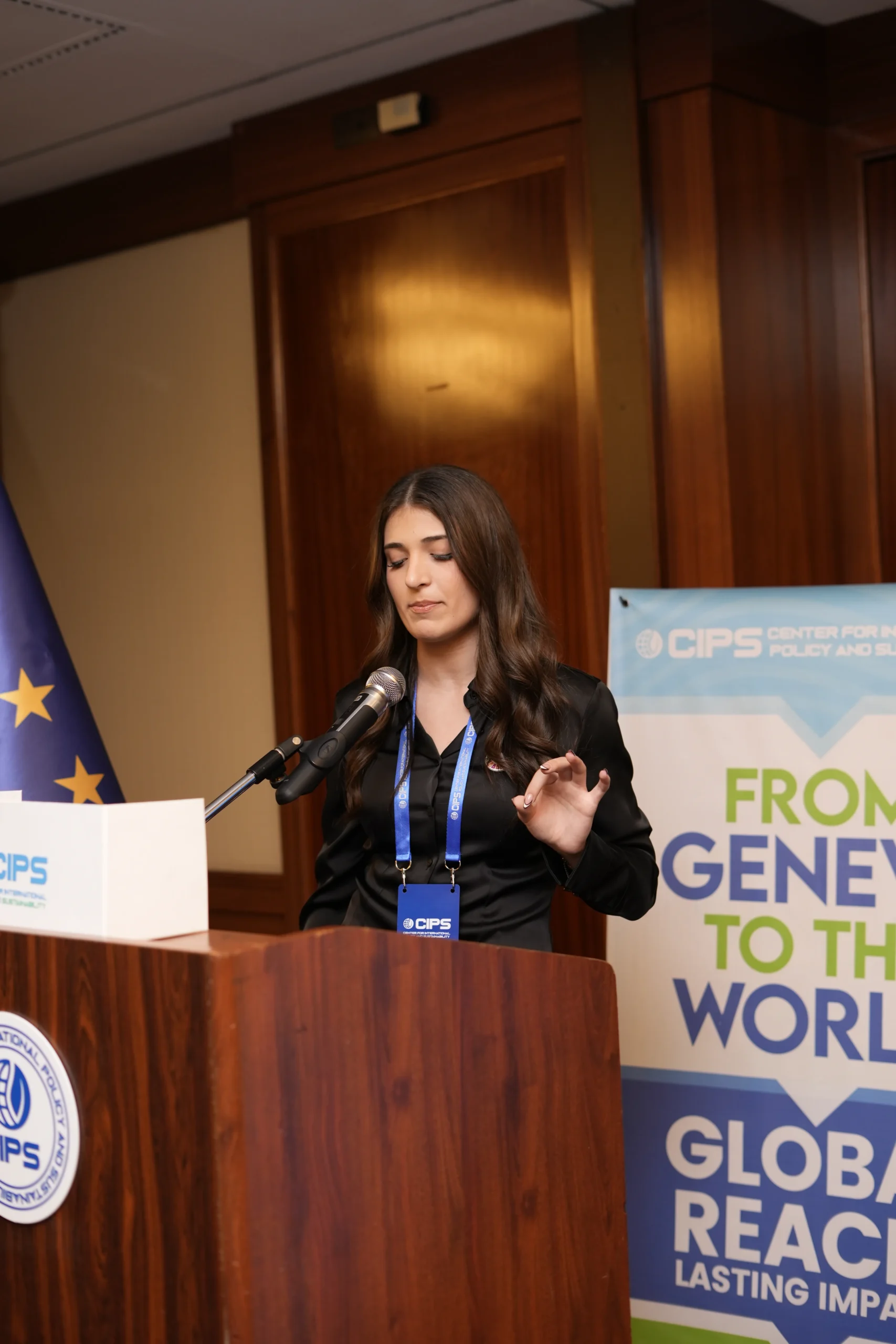
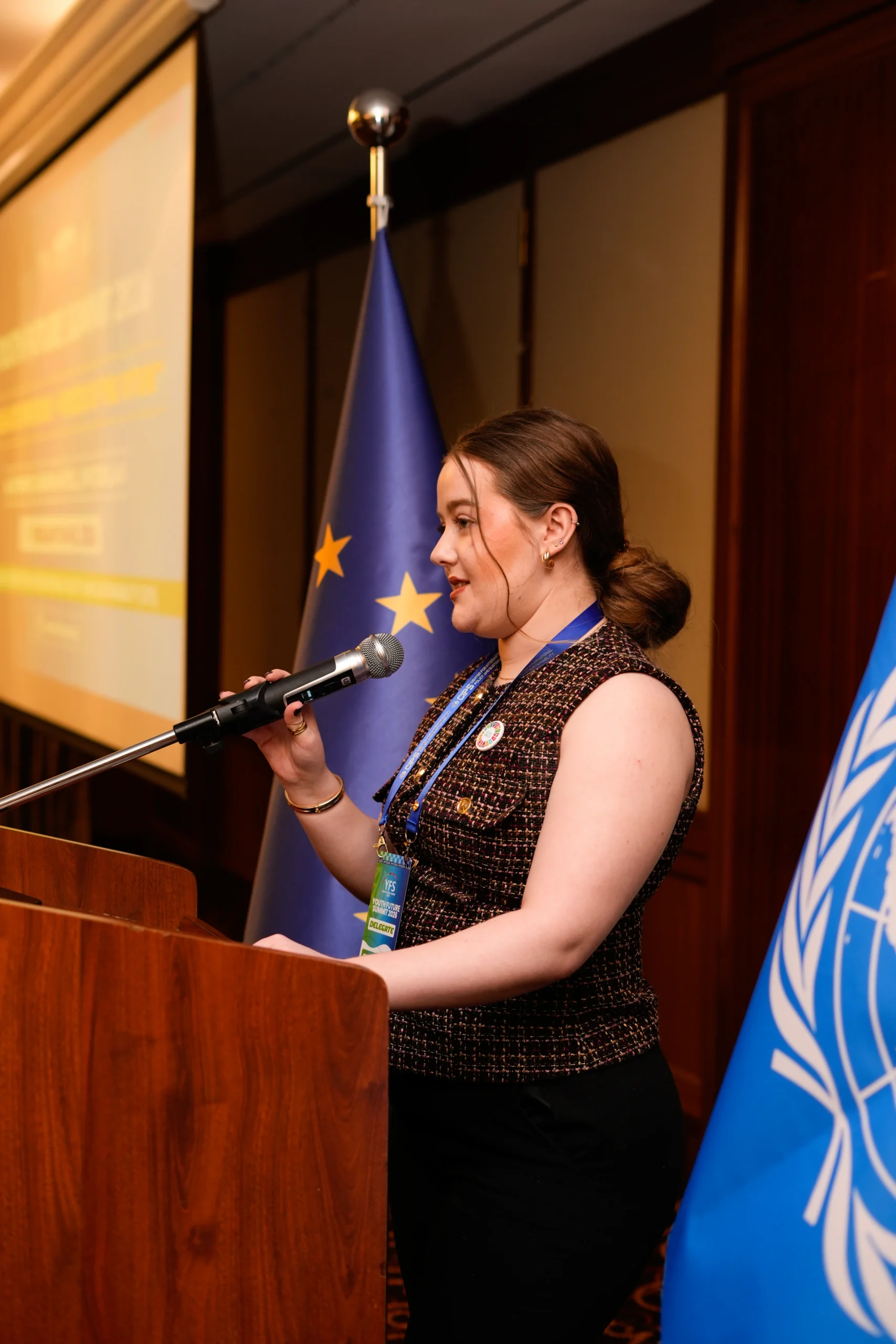
A powerful segment of the summit featured selected delegate speeches, where participants took the stage to share their insights, aspirations, and perspectives on global leadership.
Representing diverse countries and backgrounds, delegates addressed themes such as youth empowerment, technological responsibility, sustainable development, and inclusive governance. The speeches demonstrated confidence, clarity of thought, and a strong commitment to constructive global engagement.
This segment reinforced the summit’s emphasis on amplifying youth voices in meaningful spaces.
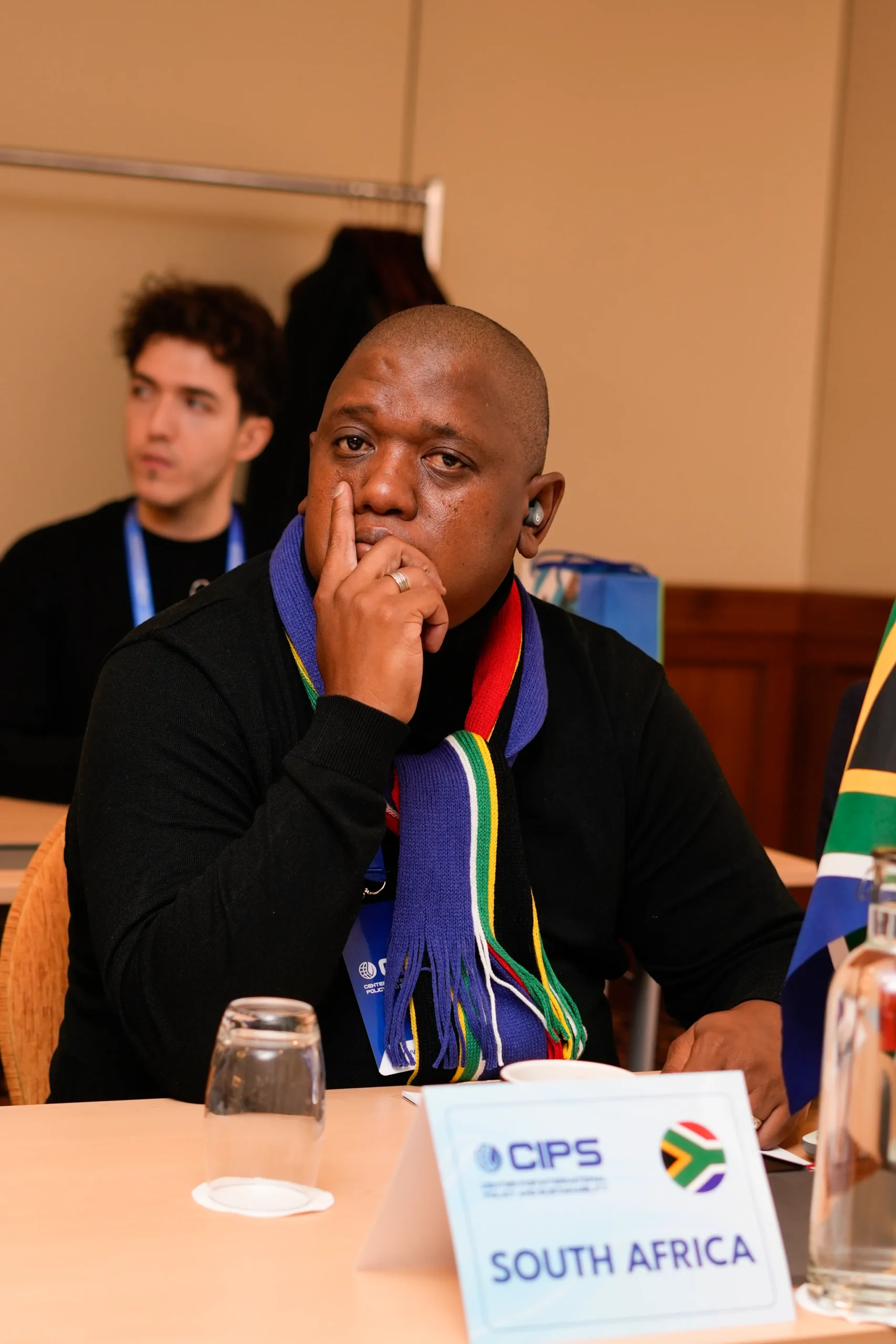
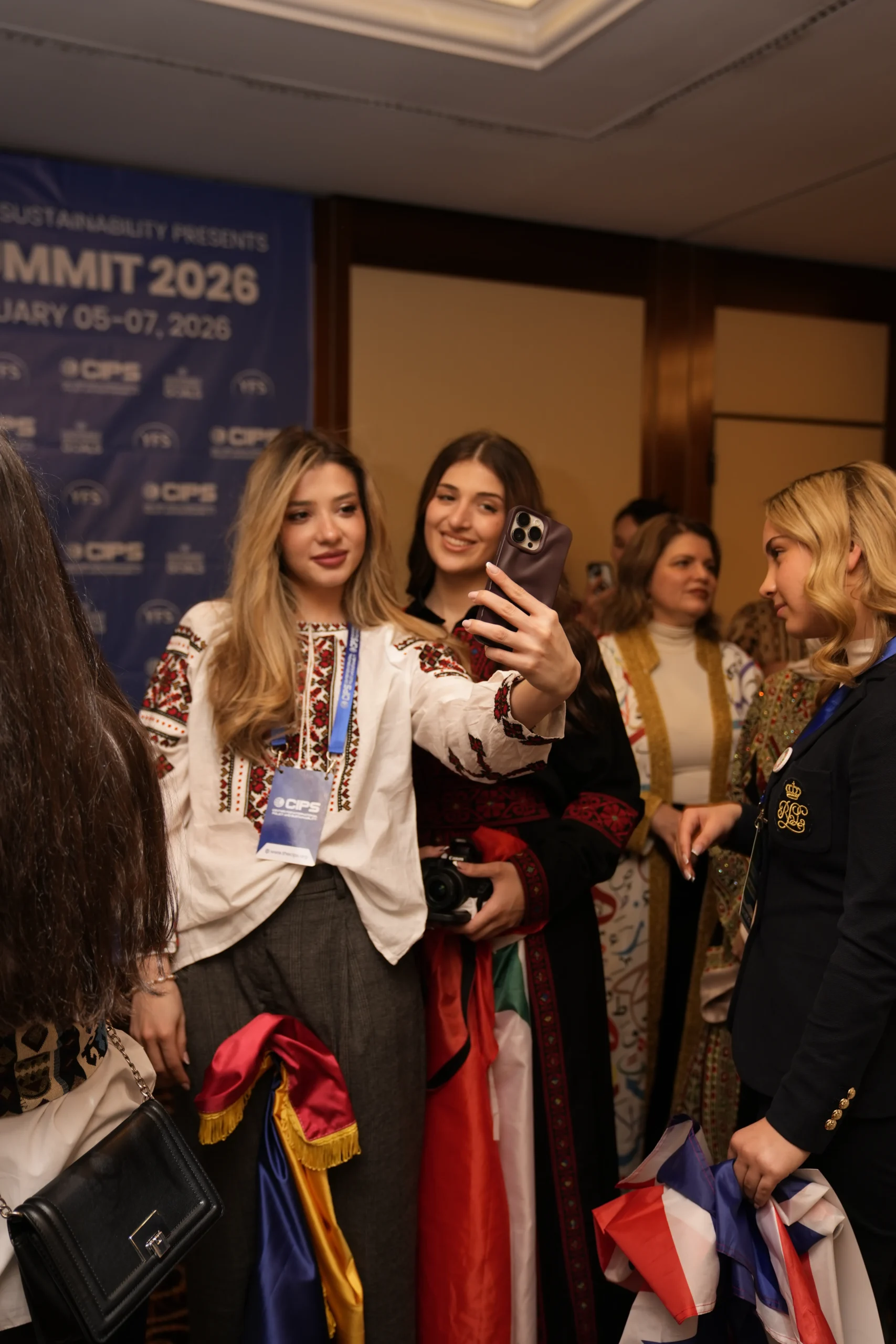
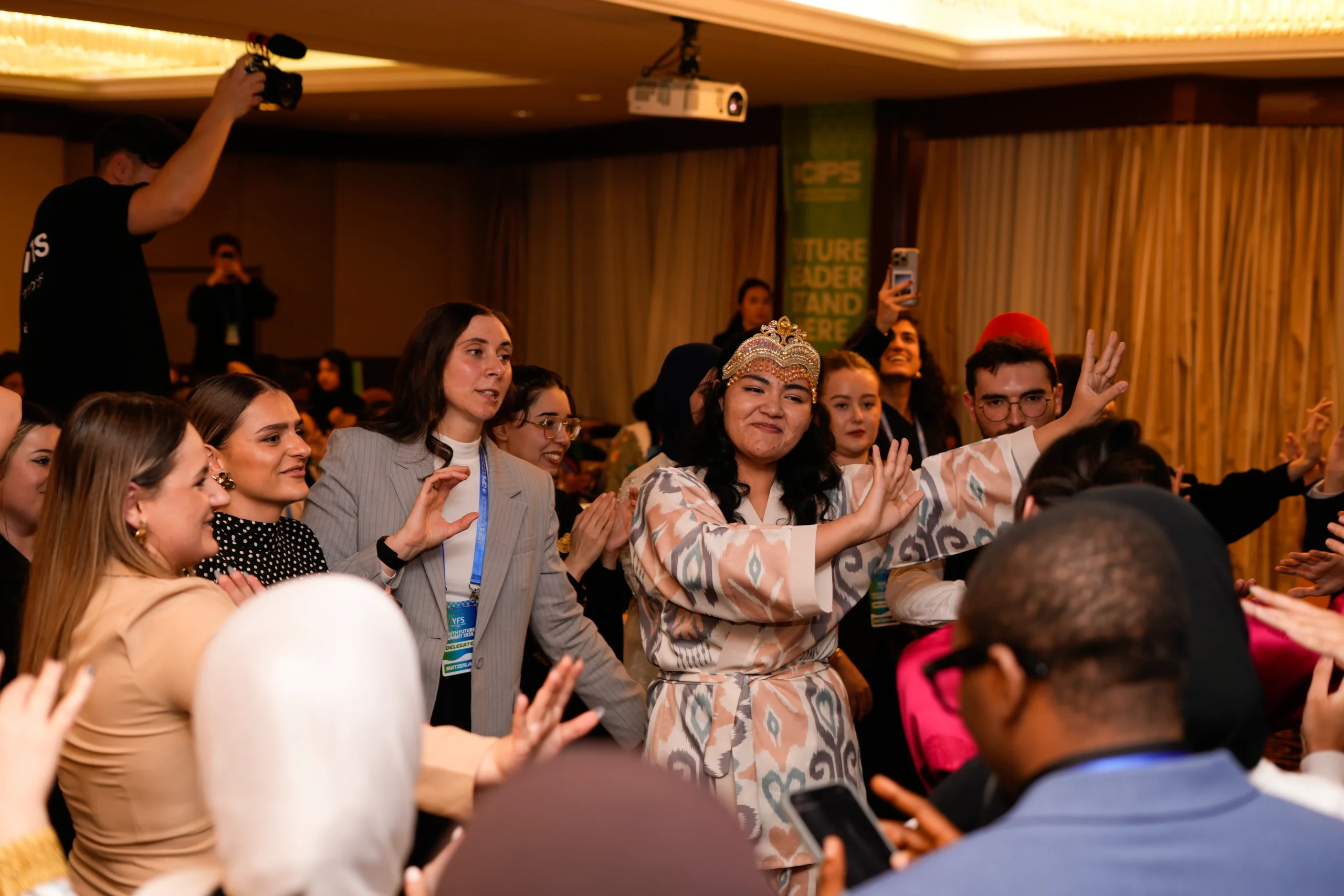
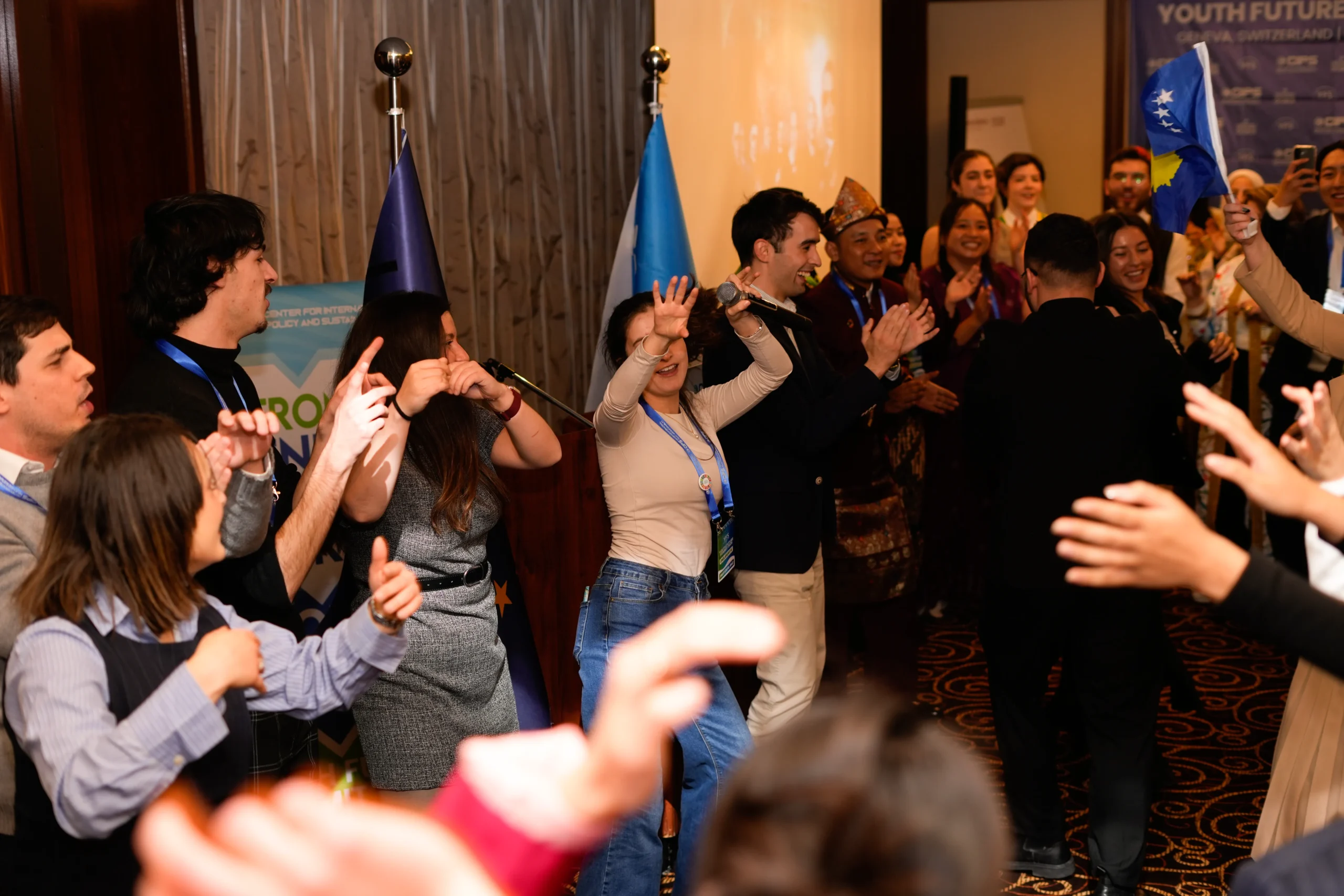
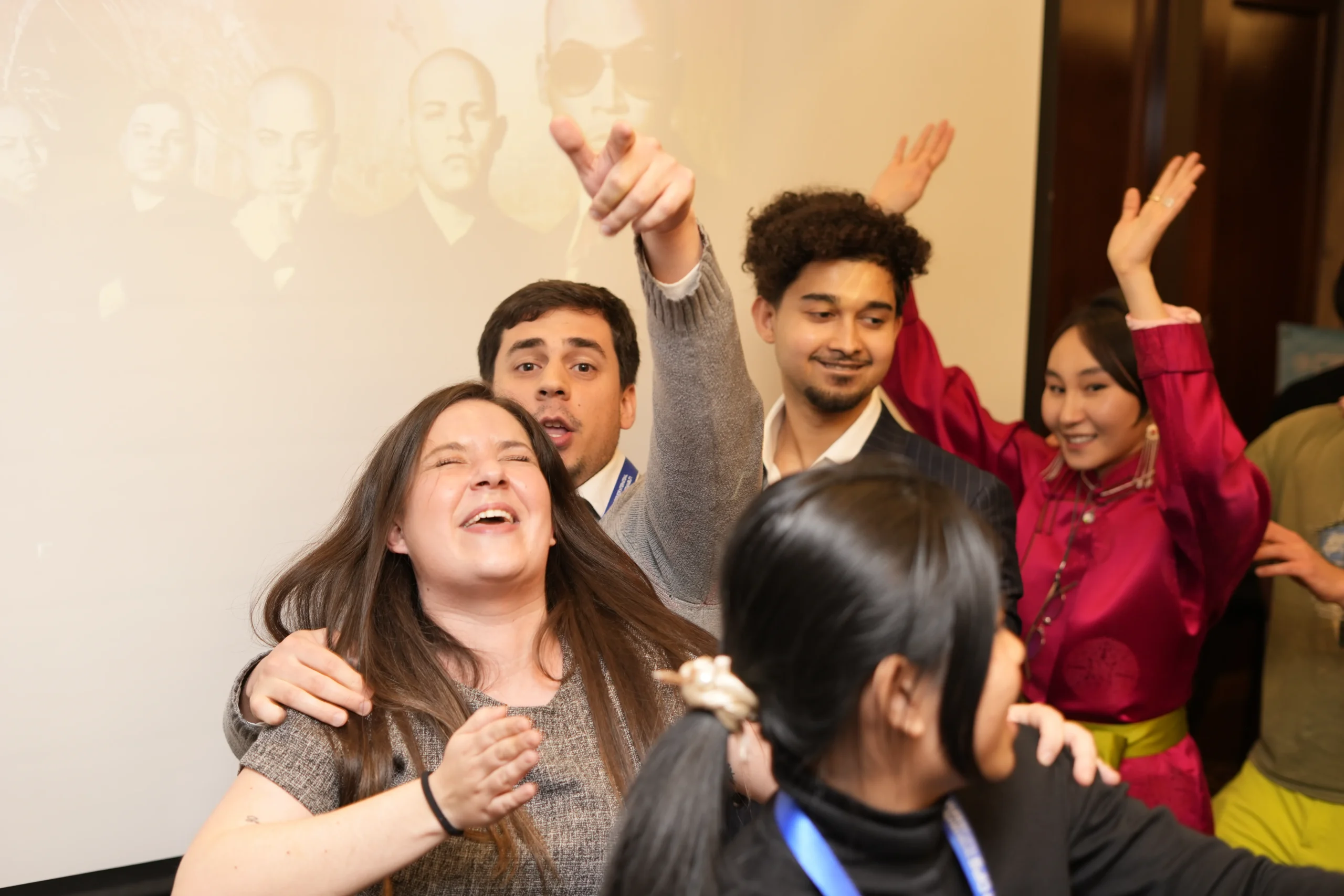
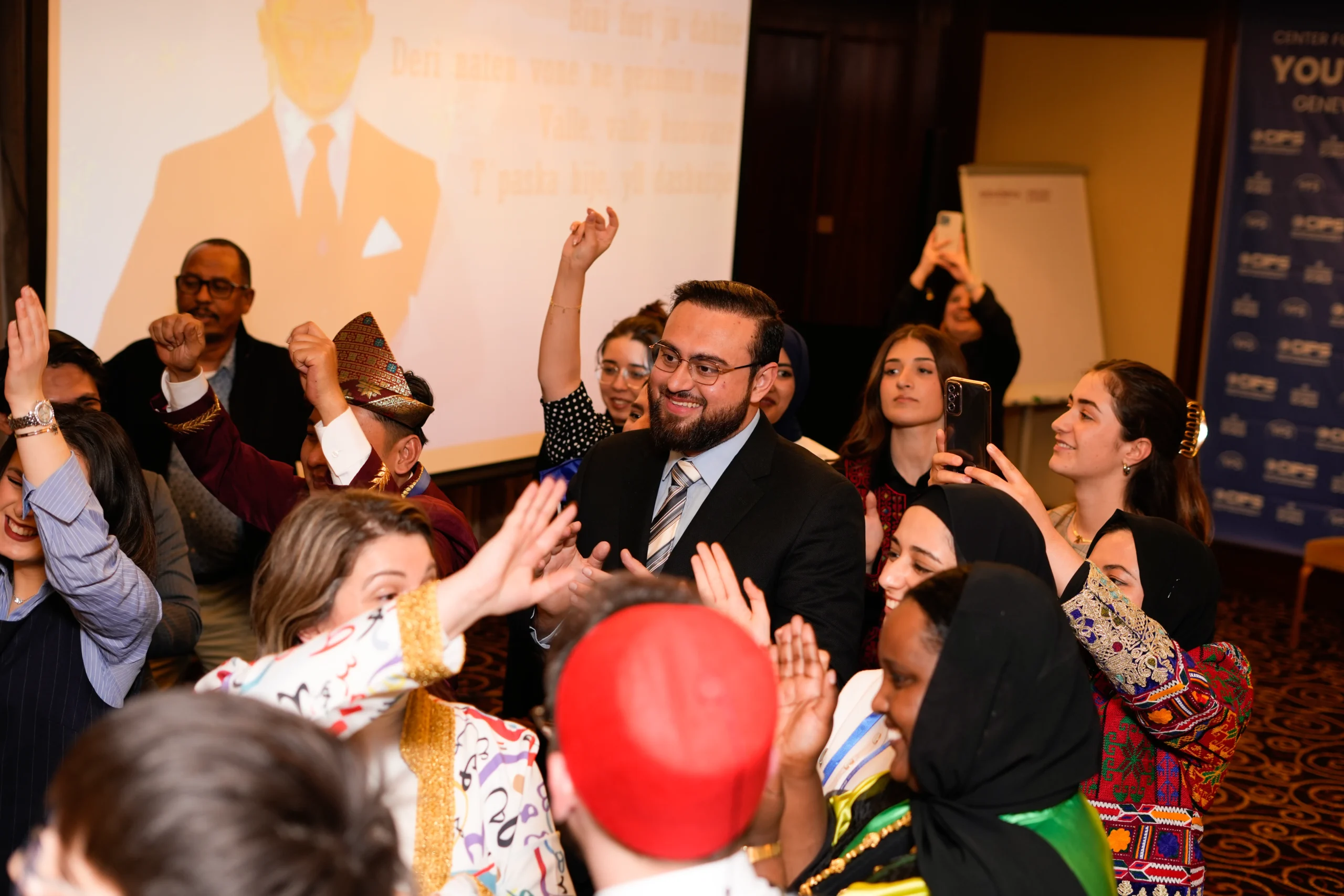
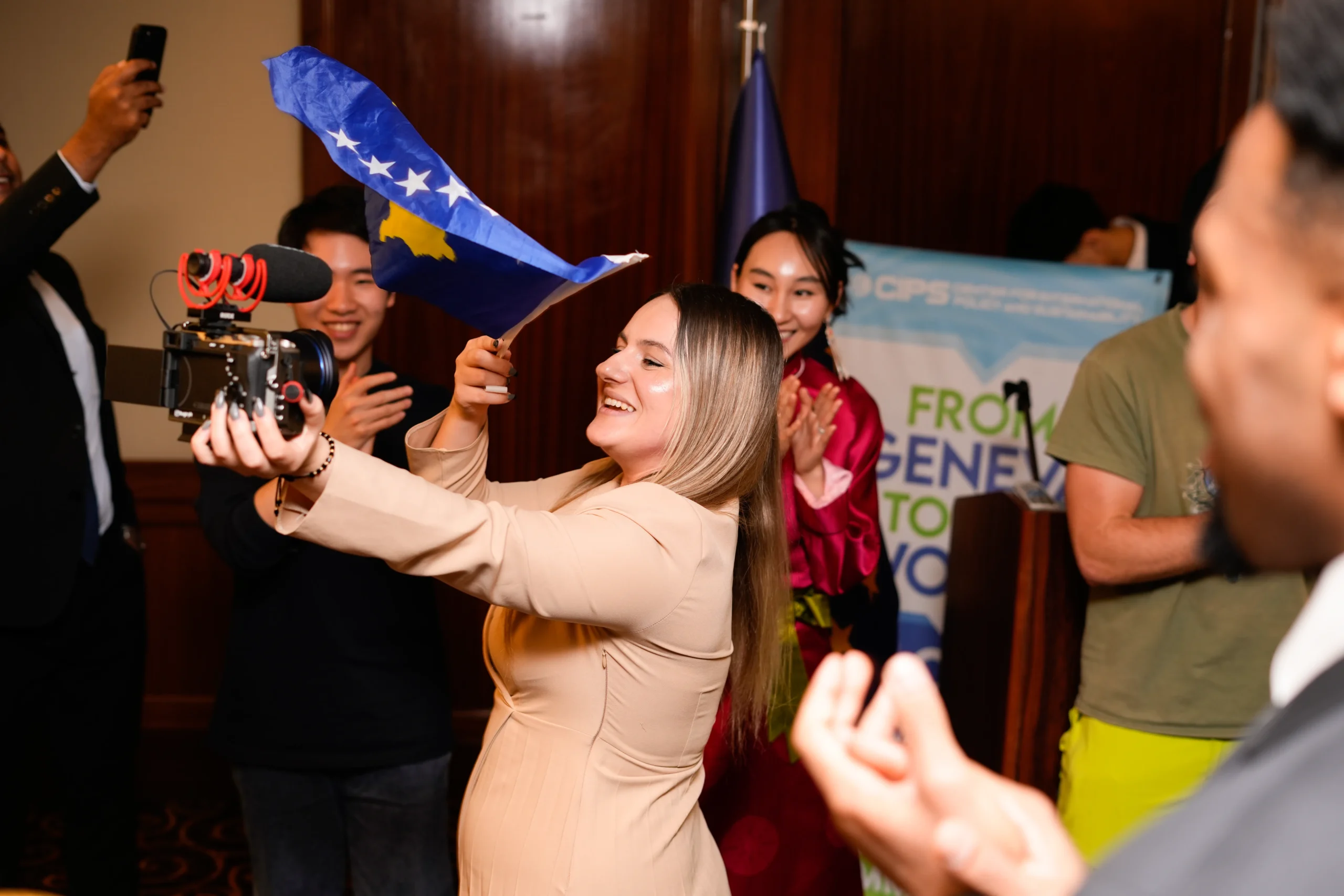
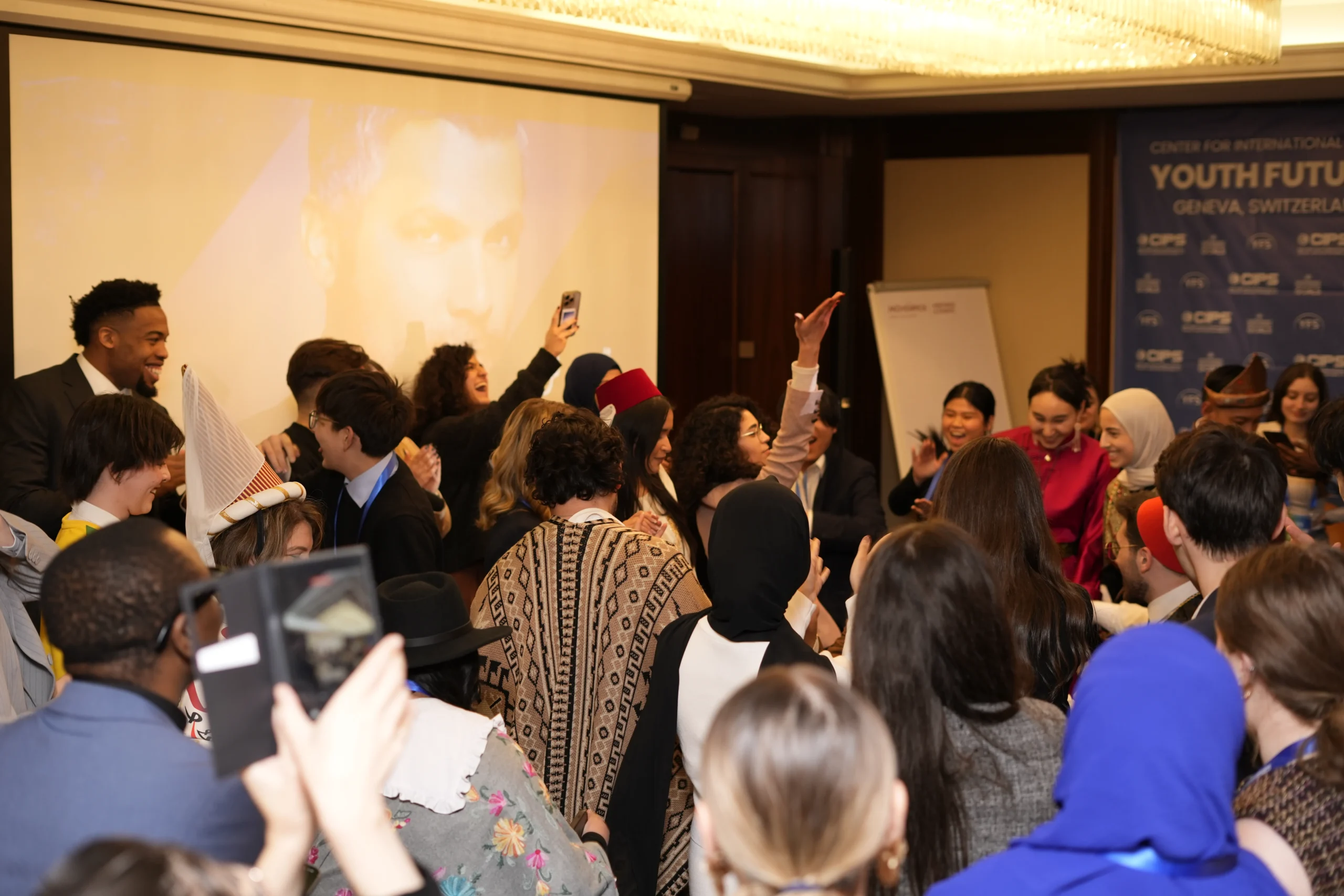
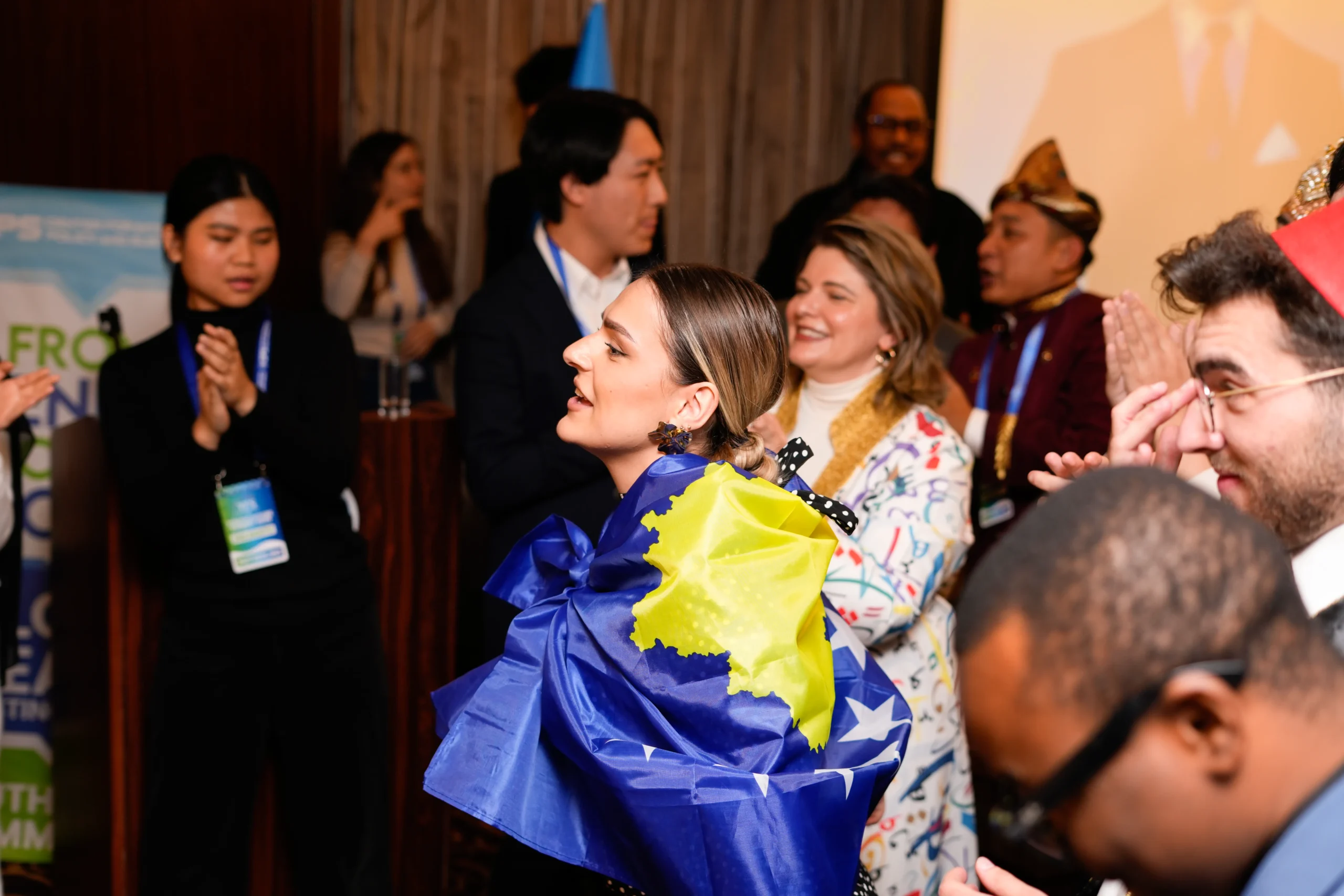
The summit concluded with a vibrant Cultural Night, celebrating the diversity of the global cohort. Delegates proudly represented their countries through traditional attire, national flags, and cultural expressions, fostering mutual understanding and cross-cultural appreciation.
The Closing Ceremony followed, during which certificates were awarded to participants in recognition of their successful engagement in Youth Future Summit 2026. The ceremony marked the formal conclusion of four impactful days while symbolizing the continuation of connections, collaborations, and shared purpose beyond Geneva.
Youth Future Summit 2026 generated tangible outcomes across leadership development, institutional exposure, and global networking:
Delegates departed Geneva with broadened worldviews, deeper institutional insight, strengthened leadership capacity, and renewed commitment to constructive global engagement.
Through Youth Future Summit 2026, CIPS reaffirmed its mission to create platforms that connect youth to global systems, equip them with practical knowledge, and empower them to navigate an increasingly complex world with clarity and purpose.


CIPS is a global platform for research, collaboration, and high-impact conference on governance, youth empowerment, and sustainability. Guided by a Global Council of Advisors of thought leaders, we bring diverse voices together to craft practical and future-ready policy solutions
Shaping Tomorrow’s Global Changemakers
📍 Paris, France
🗓 11–14 June 2026
✨ 250 Global Participation Seats Available
🌟 40 Fully Funded Seats
🎓 60 Partially Funded Seats
🎫 50 Summit Pass Seats
💼 100 Self-Sponsored Seats